


Listen to the article
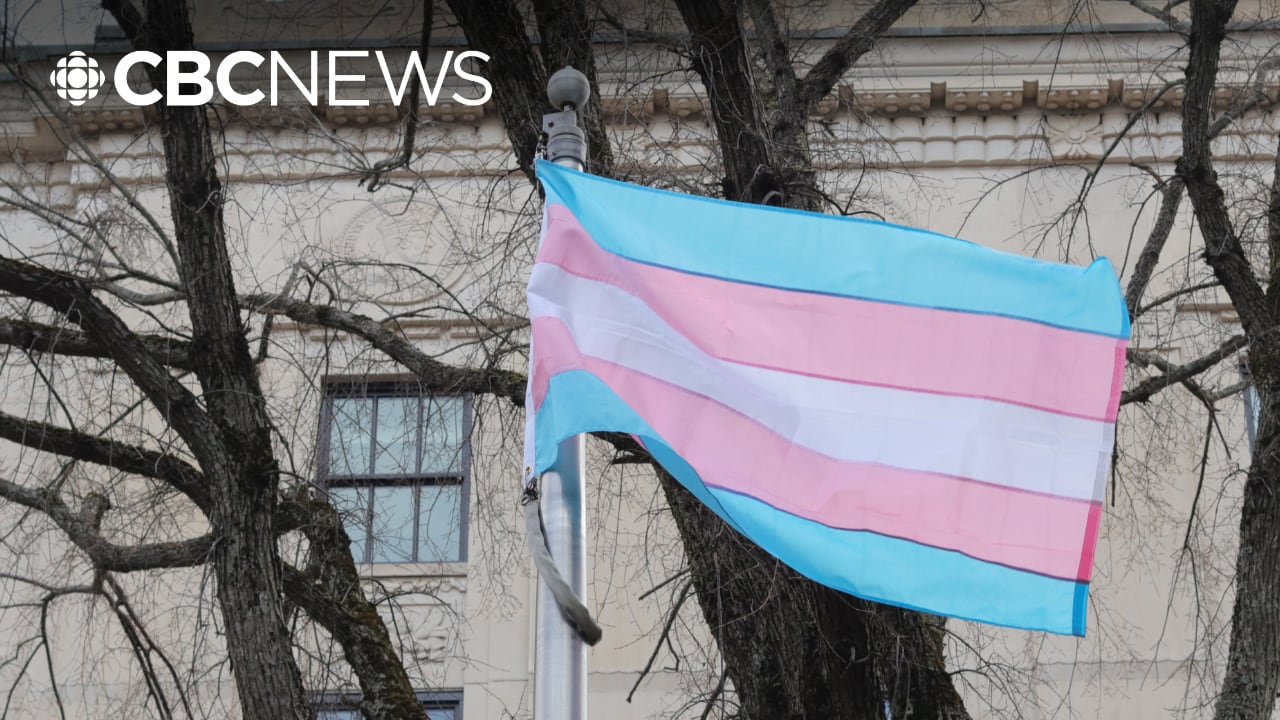
In the aftermath of the Tumbler Ridge mass shooting, experts are stepping forward to counter a surge of anti-transgender disinformation circulating online. According to specialists monitoring the situation, false narratives targeting transgender individuals have proliferated across social media platforms despite lacking factual basis.
Data from U.S. statistics reveal that transgender individuals are actually statistically under-represented as perpetrators of mass shootings, contradicting claims being made in various online forums. CBC reporter Kevin Maimann has been tracking these developments as part of the broader coverage of the Tumbler Ridge incident.
The shooting, which occurred in the small British Columbia community of Tumbler Ridge, has become a flashpoint for misinformation, with various online groups attempting to connect the incident to transgender identity without evidence. This pattern mirrors similar waves of targeted disinformation that have followed other high-profile violent events in recent years.
Dr. Samantha Reynolds, a researcher specializing in media studies and online misinformation at the University of British Columbia, explained that such narratives often emerge rapidly following traumatic events. “What we’re seeing is a predictable but concerning pattern where marginalized groups become scapegoats before facts are established. In this case, transgender individuals are being unfairly targeted despite statistical evidence showing they are significantly less likely to perpetrate mass violence than cisgender people.”
The spread of such disinformation comes amid an increasingly polarized political climate surrounding transgender rights across North America. Several Canadian provinces and numerous U.S. states have recently debated or implemented legislation affecting transgender individuals, particularly in healthcare and education sectors.
Law enforcement officials investigating the Tumbler Ridge shooting have urged the public to rely on official information channels rather than unverified social media claims. RCMP Sergeant Thomas Blackwell stated, “We understand the public’s desire for immediate information following tragic events, but spreading unsubstantiated claims can both hinder our investigation and cause additional harm to already vulnerable communities.”
The incident has drawn attention to the broader issue of online disinformation targeting marginalized communities. Social media platforms including Twitter, Facebook, and TikTok have faced criticism for their handling of rapidly spreading false information, with advocacy groups calling for more robust content moderation policies.
According to a recent study by the Digital Media Research Institute, disinformation targeting transgender individuals has increased by approximately 43% over the past two years across major social platforms, with spikes following high-profile violent incidents regardless of whether those incidents had any connection to transgender individuals.
Tumbler Ridge, a community of approximately 2,000 residents in northeastern British Columbia, has been grappling with the aftermath of the shooting while simultaneously becoming the unwitting center of this broader cultural controversy.
Mental health professionals are emphasizing the additional harm that disinformation can cause both to the directly affected community and to transgender individuals nationwide. “When false narratives spread unchecked, they create a secondary trauma for groups already experiencing marginalization,” said Dr. Michael Chen, a clinical psychologist specializing in crisis response. “The people of Tumbler Ridge are trying to heal, and transgender Canadians are facing unwarranted scrutiny and hostility based on falsehoods.”
Media literacy experts encourage news consumers to verify information through multiple credible sources, particularly following traumatic events when disinformation tends to proliferate rapidly. They recommend waiting for official information from law enforcement rather than accepting early claims that appear on social media platforms.
As investigations into the Tumbler Ridge shooting continue, authorities have pledged to provide transparent and accurate information to the public while respecting the privacy of those directly affected by the tragedy.
Fact Checker
Verify the accuracy of this article using The Disinformation Commission analysis and real-time sources.

6 Comments
This is a concerning trend of spreading misinformation after tragic events. It’s crucial we rely on facts and data from reputable sources, not unsubstantiated claims.
As the article notes, this mirrors a broader issue of misinformation spreading rapidly online after high-profile incidents. We need to be vigilant about verifying information before sharing it.
The statistics clearly show transgender individuals are not over-represented in mass shootings. We should be wary of attempts to scapegoat vulnerable groups without evidence.
Absolutely, scapegoating minorities for political gain is a dangerous pattern we’ve seen too often. Facts and empathy should guide the discussion, not fear-mongering.
Fact-checking and pushing back on disinformation is crucial, especially when it targets vulnerable groups. Relying on credible data and experts is the only way to have a constructive dialogue.
It’s disappointing to see attempts to politicize a tragedy and spread falsehoods. Maintaining perspective and compassion is important, even in the face of such divisive rhetoric.