


Listen to the article
North Dakota health officials issued a stark warning this week about the growing public health threat posed by medical misinformation and disinformation, citing evidence that false claims about healthcare are directly contributing to preventable illness and death across the state.
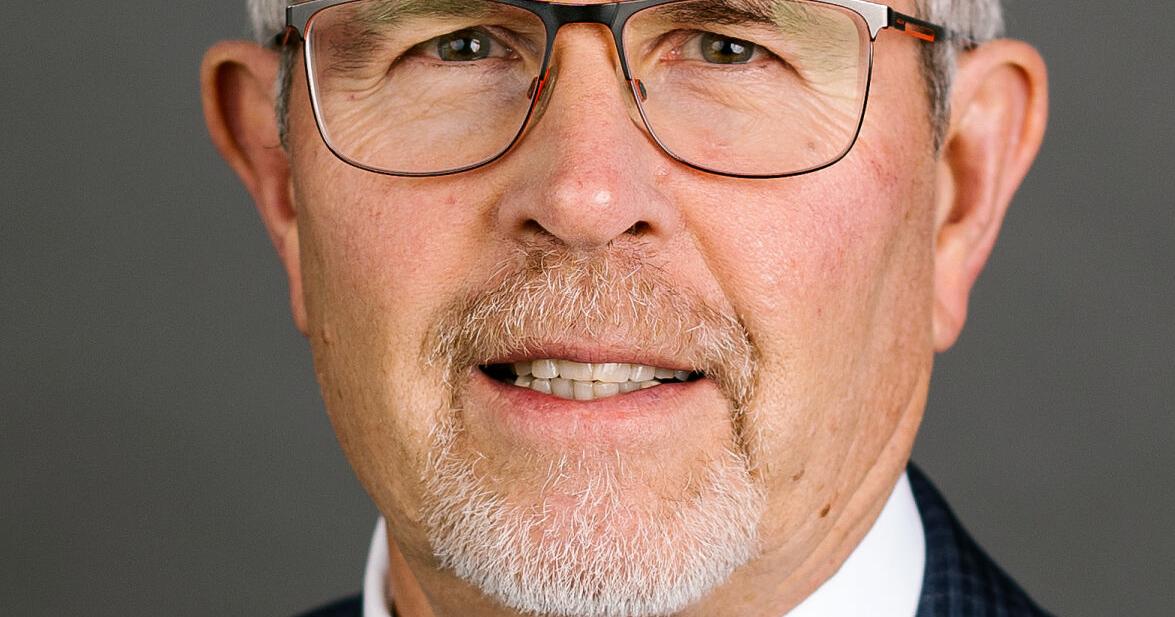
Dr. Nizar Wehbi, North Dakota State Health Officer, emphasized during a press conference Tuesday that misleading medical information has real-world consequences. “When people make health decisions based on falsehoods rather than scientific evidence, they put themselves and others at risk,” said Wehbi. “We’re seeing patients delay necessary treatment or reject proven interventions because of misinformation they’ve encountered online.”
The North Dakota Department of Health and Human Services has documented an alarming increase in cases where patients refused recommended treatments or preventative measures due to beliefs in debunked medical theories. Officials report that vaccine-preventable diseases have seen localized outbreaks in communities with low immunization rates, often corresponding with areas where vaccine misinformation is most prevalent.
Health officials pointed to several troubling trends, including patients self-medicating with unproven or potentially harmful substances promoted online as “miracle cures.” In some cases, individuals have experienced serious adverse effects requiring hospitalization after following medical advice from non-credentialed social media personalities.
“This isn’t just about COVID-19, though that’s certainly where we’ve seen some of the most dangerous misinformation,” said Dr. Lori Wightman, Chief Nursing Officer at Sanford Health in Bismarck. “We’re witnessing patients refusing established treatments for cancer, diabetes, and heart disease based on conspiracy theories or pseudoscientific claims.”
The problem is compounded by the rapid spread of false information through social media platforms. A recent analysis conducted by researchers at the University of North Dakota found that health-related misinformation receives significantly more engagement online than evidence-based information from credible medical sources.
Healthcare providers across the state report spending increasingly more time addressing misconceptions during patient visits. Dr. James Brosseau, a Grand Forks physician with over 40 years of experience, said the current environment is unprecedented in his career. “I’ve always had patients who questioned treatments or sought second opinions—that’s healthy and encouraged. What’s different now is the sheer volume of outright falsehoods patients are exposed to and the conviction with which some hold these beliefs despite contradictory evidence.”
The state health department has launched a new initiative called “Trusted Health Information” that aims to provide North Dakotans with easily accessible, evidence-based health resources. The campaign includes a dedicated website, partnerships with local media outlets, and community outreach programs targeting areas with low health literacy rates.
Local hospitals and healthcare systems are also implementing strategies to combat misinformation. Altru Health System in Grand Forks has established a “Medical Myths” section on their website that addresses common misconceptions, while CHI St. Alexius Health has trained staff to effectively communicate with patients who express doubts based on misinformation.
Public health experts emphasize that addressing this issue requires a multifaceted approach. “We need to improve health literacy from an early age,” said Dr. Joshua Wynne, Dean of the UND School of Medicine & Health Sciences. “People need the tools to critically evaluate health claims and distinguish between credible and non-credible sources.”
Consumer advocates note that the problem extends beyond individual responsibility, pointing to the role of technology platforms in amplifying false information. “Social media algorithms often prioritize engagement over accuracy,” explained Melissa Hauer, executive director of the North Dakota Hospital Association. “This creates an environment where sensational health claims spread faster than corrections or accurate information.”
State officials are calling for increased collaboration between healthcare providers, educators, technology companies, and community leaders to address the growing threat. They emphasize that while respecting individual healthcare decisions remains important, those decisions should be based on accurate information.
“This isn’t about forcing people to accept any particular treatment,” Dr. Wehbi clarified. “It’s about ensuring North Dakotans have access to factual, evidence-based information so they can make truly informed decisions about their health and the health of their families.”
Health officials urge residents to consult qualified healthcare providers for medical advice and to verify information through reputable sources like the CDC, medical research institutions, or state health departments.
Fact Checker
Verify the accuracy of this article using The Disinformation Commission analysis and real-time sources.

12 Comments
Misinformation can have very real and dangerous consequences for public health. It’s crucial that people rely on authoritative, science-based sources when making important medical decisions.
Absolutely. False claims about healthcare can lead to preventable illness and death. We need to combat the spread of medical misinformation aggressively.
Tragic that people are dying due to false beliefs about healthcare. We need to do everything possible to curb the spread of dangerous medical misinformation, even if it’s an uphill battle.
Absolutely. Preventing further loss of life should be the top priority. This is a public health emergency that requires an urgent, coordinated response.
As someone with a chronic medical condition, this issue really hits home for me. I rely on sound medical advice to manage my health, so the spread of misinformation is deeply troubling.
I can imagine how concerning this must be for you and others with ongoing health needs. Having accurate, up-to-date information is so important.
It’s alarming to see patients rejecting proven treatments and preventative measures because of online misinformation. This really underscores the urgency of addressing the public health risks of disinformation.
Exactly. Fact-checking and debunking efforts are crucial, but we also need to focus on building public trust in science and healthcare institutions.
This is a concerning trend. Vaccine-preventable diseases shouldn’t be making a comeback due to disinformation campaigns. Public health officials need to find better ways to counter these false narratives.
Agree. Improving health literacy and digital media literacy could help people identify and resist medical misinformation more effectively.
This is a complex challenge without easy solutions. But public health officials are right to sound the alarm and push for more effective ways to counter medical disinformation.
Agreed. It will likely require a multi-pronged approach, including media literacy education, content moderation, and better amplification of credible health information.