


Listen to the article
In the wake of the tragic Tumbler Ridge shootings in British Columbia, disinformation experts are warning that the rush to identify suspects online can lead to devastating consequences for innocent individuals falsely implicated in crimes.
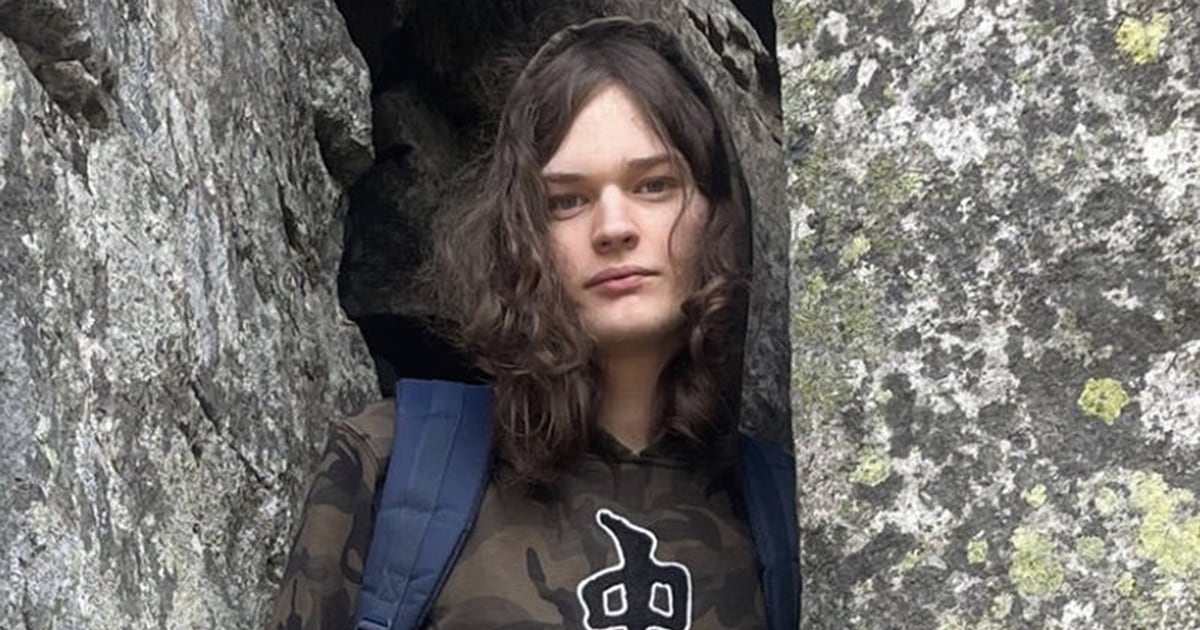
The Royal Canadian Mounted Police (RCMP) recently highlighted a concerning case of misinformation targeting an Ontario woman who was wrongfully identified as the suspect in the shootings. On Friday, RCMP Deputy Commissioner Dwayne McDonald released a confirmed photo of the actual shooter, Jesse Van Rootselaar, while specifically addressing false accusations against a person named Zylii Strang, who has no connection to the case.
“Zylii — this did not need to happen. We know you are not involved,” McDonald stated during the press conference.
According to Ahmed Al-Rawi, a professor in the communication department at Simon Fraser University and director of the Disinformation Project, “biases and prejudices” led people to spread images of innocent transgender individuals after it emerged that the shooter was trans. Al-Rawi explained that some individuals may have been motivated by potential financial gain from viral posts, while others became entangled in conspiracy theories.
The phenomenon of public speculation during criminal investigations isn’t new, but social media has dramatically accelerated its impact. Heidi Tworek, an assistant professor at the University of British Columbia’s School of Public Policy and Global Affairs and history department, noted that the gap between official investigation timelines and the public’s desire for immediate information creates fertile ground for conspiracy theories.
“We’ve seen in multiple cases, not just this one, these misidentifications of people that have had tremendous deleterious consequences for those innocent individuals who are not at all connected to these tragedies,” Tworek said.
The misidentification appears to have stemmed from a name similarity. McDonald explained that the person in Ontario had a similar name to someone associated with the crime, seemingly referring to the fact that Jesse Van Rootselaar’s mother, Jennifer Jacobs, also went by the name Jennifer Strang.
The impact on those wrongfully identified can be severe. Krista Strang, Zylii’s mother, told Agence France-Presse that her 25-year-old daughter was “devastated” and afraid to leave her home after being misidentified. She expressed confusion about how her daughter became linked to the crime, suggesting it may have been simply because her child is transgender and shares the last name Strang.
“I don’t understand how (her profile) was linked to this crime other than my child being transgender and having (the) last name Strang,” Krista Strang said.
The situation has prompted concern across multiple communities in Canada. McDonald acknowledged that significant public attention to such incidents often leads to heightened anxiety while potentially increasing both false reports and legitimate complaints.
The spread of misinformation wasn’t limited to ordinary social media users. Journalists from several media organizations reportedly shared incorrect images, contributing to the problem. This prompted B.C. resident Melissa Antoinette to take action across various social media platforms, urging people to remove misleading images of Strang.
“I feel absolutely terrible for anybody to have their image attached to any sort of horrific event or anything that they didn’t do,” Antoinette said, adding that she felt compelled to report particularly hateful comments to social media platforms.
Mark Deeley, a teacher at Tumbler Ridge Secondary School who has been praised for protecting his class during the shooting, addressed the situation on Facebook. He condemned using the tragedy as justification for anti-transgender sentiment.
“I do not and will not exacerbate the intolerance with hate. My humanity refuses it,” Deeley wrote, emphasizing that love is the only effective response to hate. “We need voices that are louder than those who would deny someone’s right to exist as their true self.”
The case highlights the growing challenges at the intersection of public tragedy, social media, and the spread of misinformation, particularly when it reinforces existing prejudices against vulnerable communities.
Fact Checker
Verify the accuracy of this article using The Disinformation Commission analysis and real-time sources.

10 Comments
The RCMP’s response in this case, with the clear identification of the actual suspect and the acknowledgment of the wrongful accusation, is commendable. It sets an important precedent for how authorities should address and correct misinformation in a timely and transparent manner.
It’s encouraging to see the RCMP taking a proactive stance in addressing this issue and clearing the name of the individual who was falsely accused. Responsible reporting and fact-checking are essential to prevent the spread of misinformation, especially in sensitive cases.
This is a concerning case of misinformation and false accusations. It’s important that we rely on authoritative sources and verified information, rather than jumping to conclusions or spreading unsubstantiated claims online. Innocent people should not be targeted or harmed due to biases and prejudices.
The spread of misinformation can have far-reaching consequences, especially when it involves sensitive cases like this one. It’s crucial that we all take responsibility for the information we consume and share, and prioritize facts over speculation or biases.
This highlights the need for better media literacy and critical thinking when it comes to online content. Disinformation experts are right to warn against the dangers of the ‘online blame game’ and the potential for innocent people to be wrongfully targeted.
This incident highlights the need for greater media literacy and critical thinking skills among the general public. We must be more discerning consumers of online content and resist the urge to share or engage with information that has not been thoroughly verified.
The rush to identify suspects online can have devastating consequences, as we’ve seen here. It’s crucial that we exercise caution and restraint when discussing sensitive issues, and focus on facts rather than speculation or rumors.
Absolutely. Spreading misinformation can cause real harm, even if unintentional. We should be more mindful about verifying information and avoiding the impulse to point fingers without proper evidence.
While the motives behind the spread of misinformation may vary, the consequences can be severe. This incident serves as a reminder that we must be vigilant in verifying information and resisting the urge to share unverified claims, even if they seem plausible.
Agreed. The potential for financial gain or ideological biases to drive the spread of misinformation is concerning. We need to be more aware of these dynamics and resist the temptation to engage with or amplify unsubstantiated narratives.