


Listen to the article
Council of Europe Experts Convene to Develop Anti-Disinformation Strategy
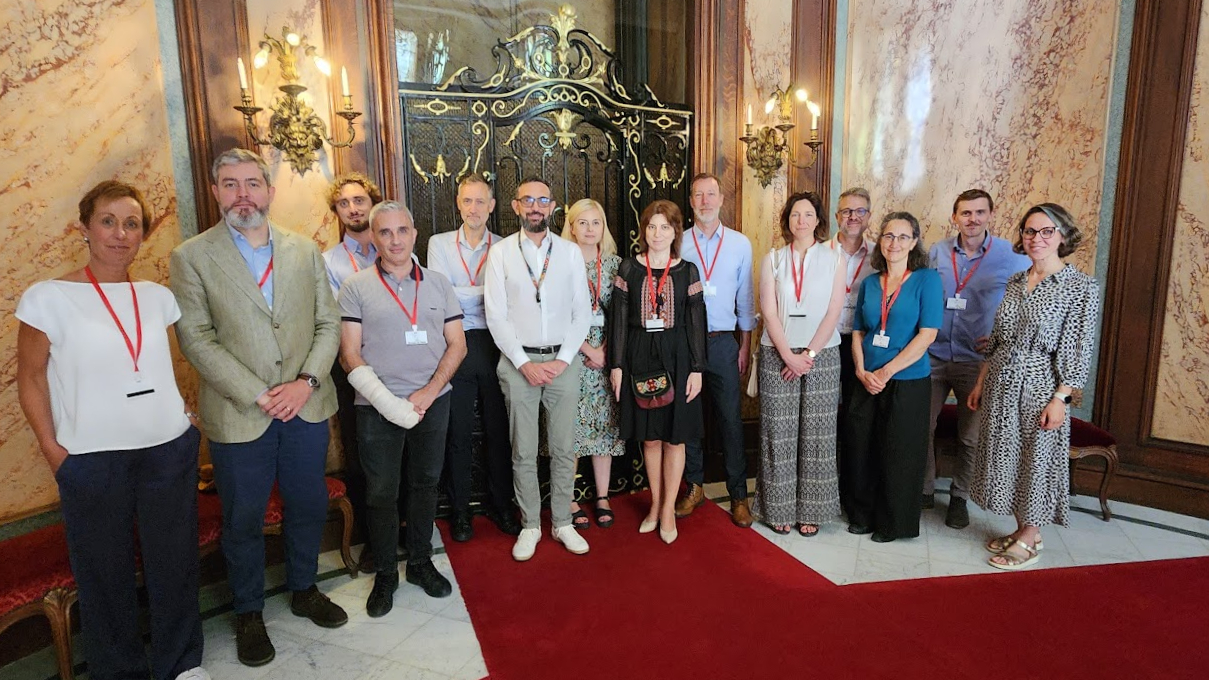
International experts and officials gathered in Paris on July 4 to shape a comprehensive framework for combating disinformation across Europe. The Expert Workshop, hosted by the Council of Europe’s Freedom of Expression and CDMSI Division, marked a critical step toward creating practical guidelines for member states struggling with information integrity challenges.
The full-day consultation focused on refining the forthcoming policy document “Ten Steps to Counter Disinformation and Promote Information Integrity,” which the Council’s Steering Committee on Media and Information Society (CDMSI) is preparing as part of its 2025 mandate.
The initiative comes amid growing concerns about the proliferation of false information across digital platforms and its impact on democratic processes throughout Europe. Many member states have struggled to implement effective countermeasures that respect freedom of expression while protecting citizens from harmful misinformation.
“This document aims to bridge the gap between international standards and practical implementation at the national level,” said a Council representative who participated in the discussions. “We recognize that member states face different challenges and have varying capacities to address disinformation.”
The workshop brought together recognized specialists in media literacy, platform governance, and information security alongside CDMSI members and Council of Europe Secretariat representatives. This diverse group worked through each of the proposed ten steps, evaluating their feasibility and alignment with existing legal frameworks.
Participants engaged in detailed discussions about striking the proper balance between regulatory approaches and supporting independent fact-checking initiatives. They also explored how governments can promote media literacy without imposing state-controlled narratives—a particularly sensitive concern in regions with histories of censorship.
The final policy document, expected by year-end, will provide member states with actionable guidance on establishing coordination mechanisms, enhancing transparency in political advertising, supporting quality journalism, and developing targeted media literacy programs.
Industry observers note this initiative comes at a critical time, as elections across multiple European countries have faced unprecedented levels of coordinated disinformation campaigns. The European Digital Media Observatory recently reported a 47 percent increase in identified disinformation incidents targeting electoral processes compared to previous years.
“The Council of Europe is uniquely positioned to address this challenge,” explained media policy analyst Maria Gonzalez, who was not involved in the workshop. “Unlike EU regulations which only apply to member states, the Council’s recommendations can influence policies across a broader geographic area including countries like Turkey, Ukraine, and the Caucasus region, where disinformation challenges are particularly acute.”
The policy document is expected to emphasize multi-stakeholder approaches that involve civil society, media organizations, technology companies, and government institutions working in coordination rather than in isolation.
Workshop participants also discussed implementation challenges faced by countries with limited resources, particularly in Eastern and Southeastern Europe, where media ecosystems are often more vulnerable to manipulation.
The Council of Europe has been increasingly active in the information integrity space, having previously published guidelines on platform governance and artificial intelligence. This latest initiative represents its most comprehensive effort to date to provide practical guidance for countering disinformation while upholding fundamental rights.
The insights and recommendations gathered during this expert consultation will now be incorporated into the draft document before its presentation to the CDMSI plenary later this year. Following further refinements, the final version will be submitted to the Council’s Committee of Ministers for adoption and dissemination to all 46 member states.
Fact Checker
Verify the accuracy of this article using The Disinformation Commission analysis and real-time sources.

7 Comments
Disinformation poses serious risks, but heavy-handed censorship isn’t the answer either. This proposal seems to strike the right balance – I look forward to seeing the final recommendations.
Combating disinformation is a critical challenge facing democracies today. This ten-step framework from the Council of Europe sounds like a thoughtful approach to address the issue while respecting free speech.
Promoting information integrity is essential to safeguarding the democratic process. I’m curious to learn more about the specific guidelines the Council of Europe is developing for member states.
Agreed, having practical, balanced policies is key. It will be interesting to see how the Council navigates the tension between curbing harmful misinformation and protecting free expression.
The proliferation of false information online is a major concern. I hope this policy framework provides effective tools for governments to address the issue while upholding democratic principles.
Absolutely, finding that right balance is crucial. Curious to see if the Council’s guidelines include specific measures for platforms and tech companies as well.
Addressing disinformation while preserving free speech is a complex challenge. This multi-stakeholder effort from the Council of Europe seems like a step in the right direction.