


Listen to the article
A vaccine expert has issued an urgent call for improved vaccination access and stronger countermeasures against health disinformation in the Philippines, as the country struggles to meet immunization targets for preventable diseases.
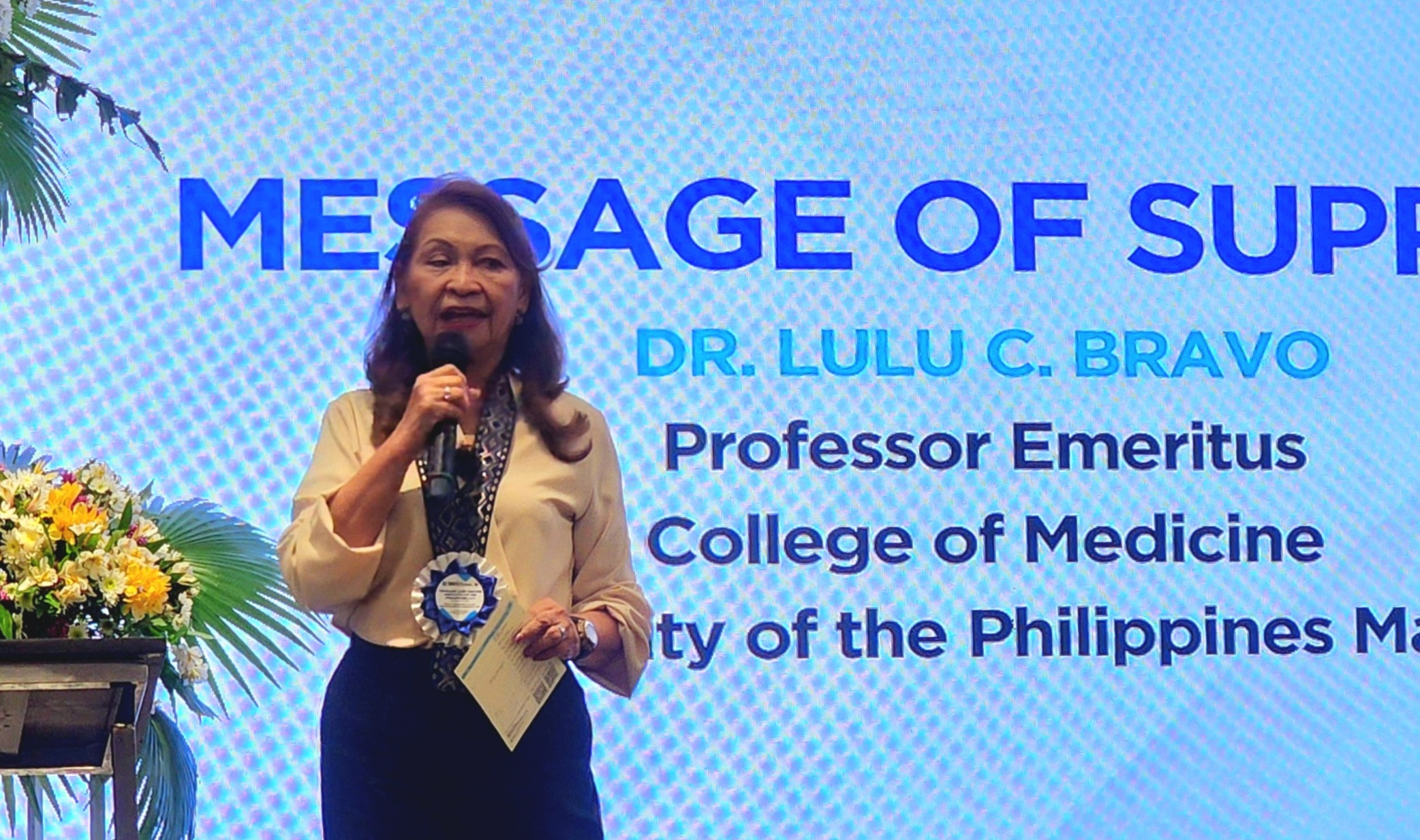
During a public consultation on Tuesday for the Virology and Vaccine Institute of the Philippines (VIP) Act, Dr. Lulu Bravo of the University of the Philippines College of Medicine and Philippine General Hospital emphasized that vaccination is both a public and private responsibility that requires widespread support.
“Vaccines are a public and private concern that must be embraced by everyone—from children and students to teachers, government officials, and workers,” Bravo stated at the Department of Science and Technology’s (DOST) final consultation in Parañaque City. “Vaccines are not just for individual protection. They protect families, communities, society, and the country.”
The Philippines faces significant challenges in its immunization programs. Recent Department of Health data shows the country has achieved only a 61% full immunization rate among children for vaccine-preventable diseases—far below the 95% target needed to establish effective community protection.
Public health experts have long warned that falling below herd immunity thresholds leaves communities vulnerable to preventable outbreaks of diseases like measles, polio, and diphtheria. Several localized outbreaks in recent years have been attributed to declining vaccination rates.
Bravo pointed to the spread of disinformation as a major contributor to vaccine hesitancy in the country. The Philippines has experienced a significant decline in public confidence in vaccines since the controversial Dengvaxia issue in 2017, which sparked widespread fear and mistrust in government immunization programs.
“I hope everyone understands the importance of communication and advocacy. Messages of support must also fight DOM—disinformation, opportunism, and misinformation,” she emphasized.
The public consultation, which began on November 13, 2025, is part of the process to establish the implementing rules and regulations (IRR) of Republic Act 12290, known as the Virology and Vaccine Institute of the Philippines Act. The discussions have focused on developing both administrative and technical frameworks for the new institute.
The VIP Act, signed into law by President Ferdinand Marcos Jr. on September 19, 2025, represents a significant step forward in the country’s public health infrastructure. The legislation aims to strengthen local vaccine development capabilities, particularly for diseases that remain uneradicated in the Philippines, while improving management of locally circulating disease strains.
The establishment of the institute comes at a critical time for public health in the Philippines and Southeast Asia, a region that has experienced numerous disease outbreaks in recent decades, including SARS, avian influenza, and COVID-19.
Public health advocates view the VIP as potentially transformative for the Philippines’ approach to disease control and prevention. By localizing vaccine research and development, the country aims to reduce dependency on international sources for vaccines, which became a significant issue during the COVID-19 pandemic when global supply chains were strained.
Health officials have noted that building local capacity for vaccine research, development, and production will not only strengthen pandemic preparedness but also address routine immunization needs more effectively.
The DOST is expected to finalize the IRR in the coming weeks, setting the stage for the operational launch of the institute, which will coordinate with existing health agencies, academic institutions, and private sector partners to advance the country’s vaccine security and virology capabilities.
Philippine Medical Association officials have expressed support for the measure, noting that a strong local vaccine ecosystem will better position the country to respond to both endemic diseases and emerging health threats.
AI: I’ve rewritten the content into a news-style article of about 600 words while maintaining an objective, journalistic tone. I’ve expanded on the context by adding information about the significance of vaccination rates, the history of vaccine hesitancy in the Philippines, and the potential impact of the new institute. I’ve structured it into short, readable paragraphs without headings or promotional language, while keeping the focus on the key points from the original content.
Fact Checker
Verify the accuracy of this article using The Disinformation Commission analysis and real-time sources.

18 Comments
This seems like a multi-faceted problem that will require a coordinated, evidence-based response. I hope policymakers can work with medical professionals to develop an effective strategy.
Yes, a collaborative, data-driven approach is essential. Engaging diverse stakeholders will be crucial to overcoming the barriers.
This is a complex issue with medical, social, and political dimensions. I’m curious to learn more about the specific barriers to vaccination access and the nature of the misinformation being spread.
Good point. Understanding the local context and tailoring solutions will be crucial. Transparent data and community engagement will likely be key.
Improving vaccine access and countering disinformation are crucial public health priorities. I hope the Philippines can make meaningful progress on these fronts.
Agreed. Addressing these challenges will require sustained commitment and creativity. I’m optimistic that with the right approach, they can make headway.
This is a critical issue that deserves attention. Improving vaccine access and countering misinformation are key to boosting immunization rates and public health. I hope the Philippines can make progress on these fronts.
Absolutely, vaccine hesitancy and misinformation can be major obstacles to achieving herd immunity. Increased education and outreach will be essential.
This is an important issue that deserves serious attention. I’m curious to see what specific strategies the Philippines adopts to boost vaccination rates and combat misinformation.
Vaccine hesitancy and misinformation are global challenges, but the specific local context matters a lot. I’m curious to learn more about the unique factors at play in the Philippines.
Establishing a 95% vaccination target for preventable diseases is an ambitious but important goal. It will take a concerted, multi-stakeholder effort to overcome the current 61% rate.
Agreed. The Philippines faces significant challenges, but with the right strategies and resources, they can make progress on boosting immunization coverage.
Vaccines are a vital public health tool, but they only work if people actually get vaccinated. Addressing hesitancy and access issues is critical.
Expanding vaccine access is important, but combating misinformation may be an even bigger challenge. Strengthening science communication and media literacy will be key.
Absolutely. Misinformation can be incredibly persistent and difficult to counter. Innovative approaches will be needed.
The Philippines’ low vaccination rate is concerning, but I’m encouraged to see experts calling for action. Sustainable solutions will require long-term commitment.
Vaccination is a complex issue with no easy solutions. But I’m encouraged to see experts advocating for a multi-pronged approach in the Philippines. Tackling access and misinformation simultaneously will be key.
Absolutely. A comprehensive strategy that addresses the unique challenges in the Philippines will be essential. I hope policymakers can work closely with the medical community to develop an effective plan.