


Listen to the article
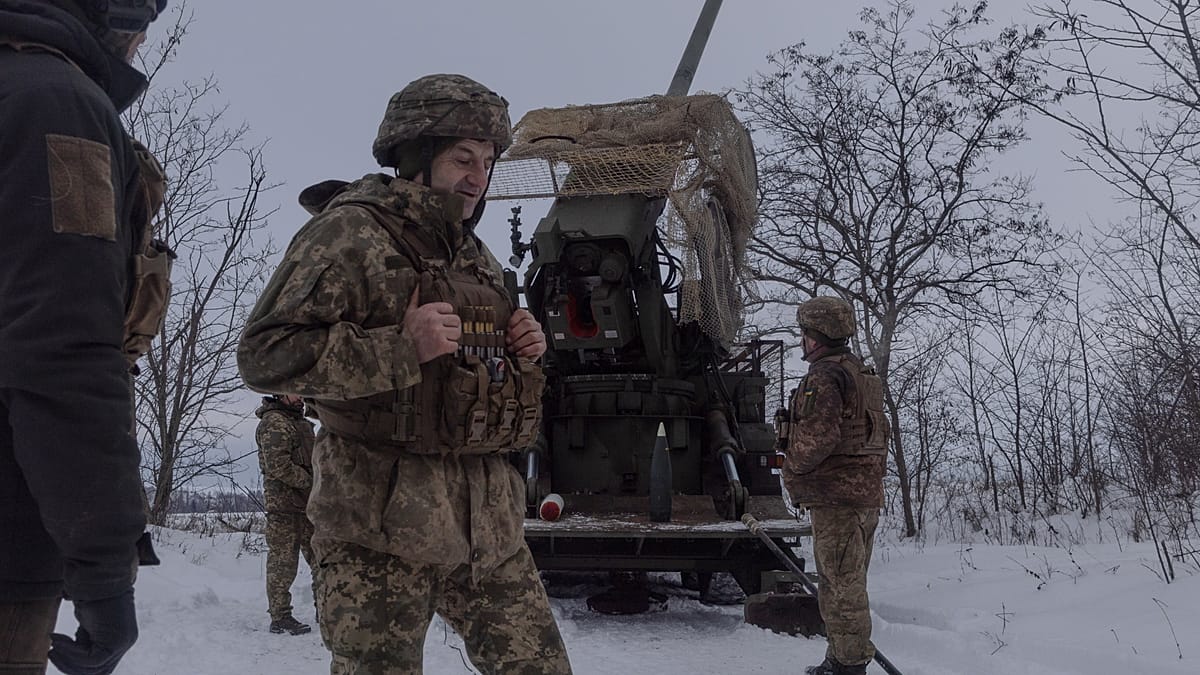
Europeans are most worried about wars near EU borders and the spread of disinformation, according to a comprehensive survey published Wednesday by the European Parliament. The findings reveal shifting priorities among EU citizens as geopolitical tensions and economic pressures continue to reshape the continent’s political landscape.
The survey, which polled residents across all 27 member states, shows that concerns about armed conflicts in regions bordering the European Union have risen significantly compared to previous years. This reflects the ongoing tensions in Eastern Europe and the Mediterranean that have intensified over the past 18 months.
Alongside security concerns, citizens expressed growing alarm about the proliferation of disinformation campaigns targeting European democracies. Nearly two-thirds of respondents indicated they had encountered what they believed to be deliberately misleading information online in the past month, with 58% citing foreign actors as likely sources.
“The twin concerns of border security and information integrity represent a new frontier in European public consciousness,” noted one of the survey’s lead researchers. “These are not traditional economic worries but speak to a broader anxiety about the stability of European institutions and values.”
When asked what issues the European Parliament should prioritize, respondents overwhelmingly pointed to economic matters, with inflation topping the list. The persistent cost-of-living crisis continues to strain household budgets across the bloc, with inflation rates varying significantly between member states but remaining a universal concern.
Employment creation came second in citizens’ priority list, particularly in southern European nations where youth unemployment remains stubbornly high despite recent economic growth. The survey revealed a generational divide, with respondents under 30 ranking job creation as their top concern, while older demographics focused more on price stability.
Defence policy emerged as the third key priority, marking a significant shift from pre-2024 surveys when environmental concerns and migration typically ranked higher. This change reflects the evolving security situation and suggests growing public support for the Parliament’s recent initiatives to strengthen common European defence capabilities.
Regional variations in the survey were notable. Eastern European respondents showed the highest levels of concern about border conflicts, with over 80% in Baltic states rating it their primary worry. Southern European nations emphasized economic recovery and job creation, while Western European respondents displayed more balanced concern across all categories.
The European Parliament’s spokesperson indicated that the findings would inform legislative priorities for the coming session. “This survey provides invaluable insights into citizens’ expectations. It’s clear that Europeans want concrete action on inflation, employment, and collective security,” they stated.
Political analysts suggest the results reflect a pragmatic turn in European public opinion. “We’re seeing less focus on ideological divisions and more demand for practical solutions to immediate problems,” commented a Brussels-based political scientist. “This creates both challenges and opportunities for European institutions trying to build consensus.”
The survey also revealed changing attitudes toward European integration itself. Support for strengthened EU-level responses to crises has grown, with 61% of respondents favoring more coordinated action on security and 58% on economic policy. However, significant minorities in several member states continue to express skepticism about ceding additional powers to Brussels.
The comprehensive poll, conducted between January 10-30, 2026, sampled over 27,000 EU citizens and has a margin of error of ±2.1%. It represents one of the most extensive assessments of European public opinion in recent years and offers crucial context as the Parliament prepares its policy agenda for the coming year.
Observers note that addressing these interconnected concerns will require sophisticated policy responses that balance immediate economic relief with longer-term security planning – a challenge that will test the European Parliament’s ability to respond to citizens’ evolving priorities in an increasingly complex global environment.
Fact Checker
Verify the accuracy of this article using The Disinformation Commission analysis and real-time sources.

8 Comments
It’s not surprising to see security and disinformation topping the list of European concerns. With the Russia-Ukraine conflict and the ongoing battle against fake news, these issues have become central to the EU’s political landscape. Policymakers will need to find effective solutions.
Agreed. Tackling disinformation in particular will be crucial, as it can undermine public trust and democratic institutions. Investing in media literacy and fact-checking initiatives could help combat the spread of misleading information.
This is an interesting survey highlighting the top concerns for Europeans. It’s concerning to see the rise in worries about wars near EU borders and the spread of disinformation. Maintaining security and information integrity will be critical challenges for European leaders.
You’re right, the geopolitical tensions and disinformation threats are a real worry. Addressing these complex issues will require a coordinated, multi-faceted approach across the EU.
The findings highlight the fragile state of the European security environment and the vulnerability of its information space. While these challenges are not new, the survey suggests they have become more acute. Addressing them will require a sustained, multilateral effort.
The survey results are a sobering reminder of the challenges confronting Europe. Addressing the twin threats of regional conflicts and disinformation will require a concerted, multi-stakeholder effort involving policymakers, tech companies, and civil society. Failure to do so could undermine the EU’s stability and cohesion.
This survey underscores the complex threats facing the EU – from regional conflicts to the corrosive effects of disinformation. Maintaining stability and resilience in the face of these pressures will be critical for the future of European integration.
Absolutely. The EU will need to take a comprehensive approach, leveraging its diplomatic, economic, and technological capabilities to bolster security and counter the spread of false narratives. Protecting democratic values and institutions should be a top priority.