


Listen to the article
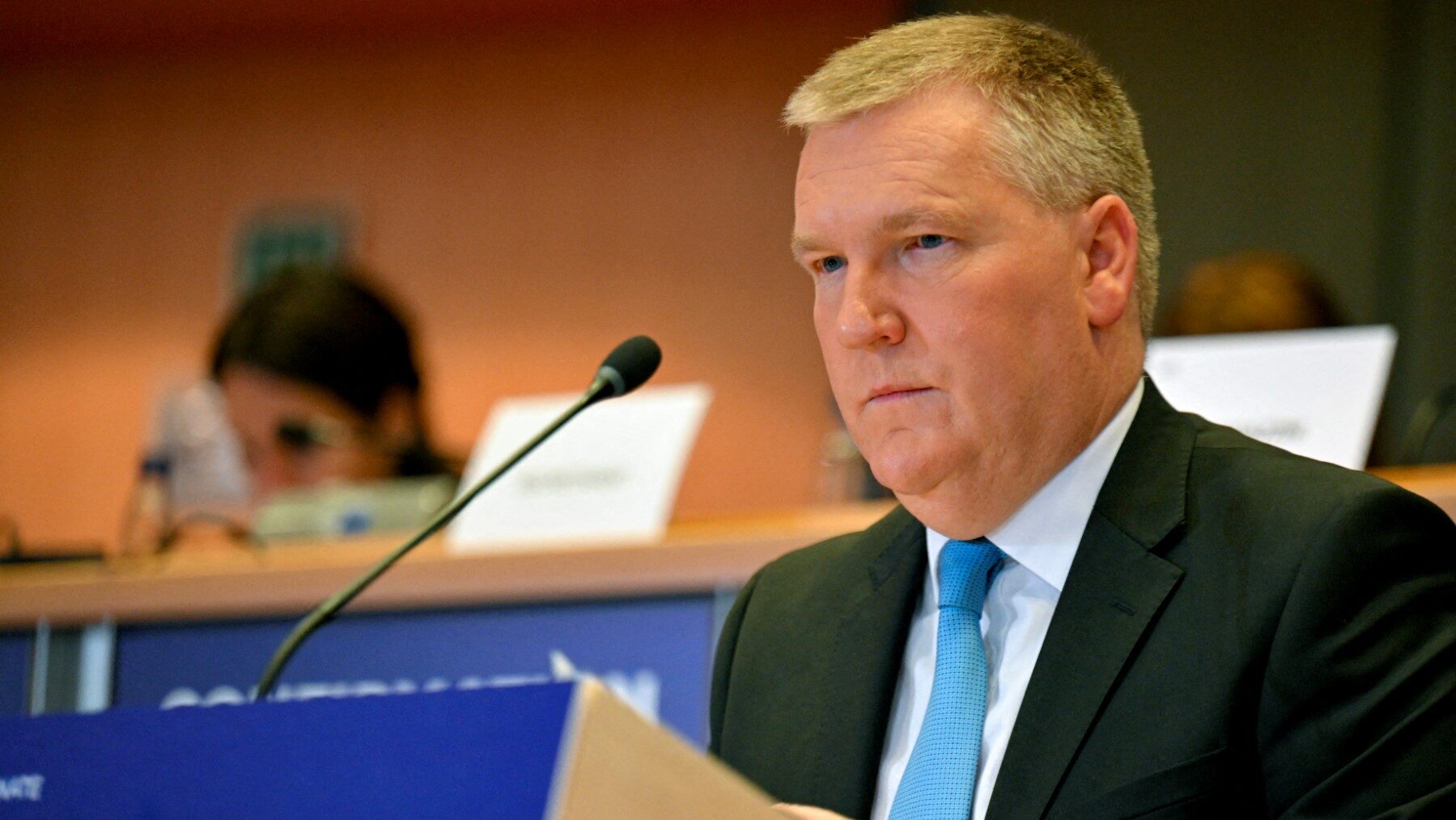
The European Commission launched a new entity on Tuesday aimed at combating foreign information manipulation, a move officials describe as essential for protecting democratic processes across the bloc. The European Centre for Democratic Resilience was formally introduced by Justice Commissioner Michael McGrath during a ministerial lunch at the General Affairs Council.
The Centre forms a key component of the “European Democracy Shield,” a broader framework that Brussels has developed in response to what Commission President Ursula von der Leyen describes as the growing “weaponisation” of information in the modern political landscape.
“In today’s interconnected world, we must ensure that democratic debate remains open and fair,” von der Leyen stated during the launch. She emphasized that the Centre would help safeguard the integrity of information flows across member states.
However, the initiative represents a significant expansion of the EU’s role in overseeing elections and public discourse within member states. The Centre’s mandate extends well beyond traditional intelligence-sharing operations, encompassing several far-reaching responsibilities.
Among its core functions, the Centre will work to strengthen “resilient elections” across the bloc, develop a unified European strategy to counter foreign information manipulation, and coordinate directly with media organizations and online platforms. Perhaps most notably, it will organize citizens’ panels under Commission oversight, giving Brussels a more direct role in shaping public engagement.
These expanded powers have raised questions about the balance between protecting democratic institutions and potentially overreaching into areas traditionally managed by individual member states. While official documentation states that the Centre will operate “in full respect of national competences,” its organizational structure suggests a more centralized approach to information governance.
The Commission will provide dedicated secretarial support to the Centre and enhance coordination with existing EU bodies, including the European External Action Service and the EU’s rapid alert system that monitors suspected disinformation activities. This arrangement positions Brussels at the center of determining what constitutes an “information threat” and how such threats should be addressed.
Some observers note that the subjective nature of terms like “disinformation” and “manipulation” creates potential for the Centre’s work to influence electoral campaigns or restrict the freedom of national governments and political parties. The determination of what qualifies as harmful content inevitably involves value judgments that could shape political narratives across member states.
In justifying the initiative, the Commission points to Eurobarometer polling data indicating that 42% of EU citizens consider foreign manipulation a serious threat to democracy. However, critics point out that these surveys do not clearly define what constitutes “manipulation,” leaving room for broad interpretation.
The Centre’s scope extends beyond current EU borders, with plans to work with candidate countries seeking EU membership. This approach would effectively embed Brussels-led standards for information management in states before they formally join the bloc, potentially influencing their domestic policies and political discourse during the accession process.
As digital threats continue to evolve, the EU has increasingly positioned itself as a global leader in digital regulation and content oversight. The European Centre for Democratic Resilience represents the latest development in this trend, reflecting Brussels’ growing concerns about information security in an era of sophisticated influence operations.
While few dispute the existence of foreign influence campaigns targeting European democracies, the debate centers on whether the Commission’s response appropriately balances security concerns with the principles of national sovereignty and free expression that underpin the European project itself.
As the Centre begins its operations, its effectiveness will be measured not only by its ability to identify and counter genuine threats but also by its capacity to respect the democratic diversity and national prerogatives that characterize the European Union.
Fact Checker
Verify the accuracy of this article using The Disinformation Commission analysis and real-time sources.

8 Comments
This is an ambitious move by the EU, but I have concerns about the potential for mission creep and unintended consequences. Ensuring transparency, accountability, and respect for free speech will be essential as this new authority takes shape.
Interesting move by the EU to establish a new authority to monitor disinformation across member states. While protecting democratic processes is important, this raises concerns about potential overreach in regulating public discourse.
I agree, it’s a delicate balance between addressing disinformation and preserving free speech. The scope and implementation of this new authority will be critical to watch.
The ‘European Democracy Shield’ sounds like a comprehensive framework, but I wonder how they’ll define and detect ‘disinformation’ in practice. Transparency and clear guidelines will be key to ensure this doesn’t become a tool for censorship.
Good point. Defining disinformation can be subjective, so the criteria and oversight process will be crucial. Curious to see how this new authority navigates those challenges.
While protecting democratic processes is important, expanding the EU’s role in overseeing elections and public discourse within member states is a concerning development. I hope this new authority will operate with strict safeguards and respect for free speech principles.
The ‘weaponization of information’ is a serious issue, but I’m cautious about the EU taking on such a broad mandate to combat it. Curious to learn more about the specific responsibilities and limitations of this new disinformation monitoring authority.
Agreed. The details and implementation will be critical. Overreach could undermine the very democratic values this authority is meant to protect.