


Listen to the article
DOJ Release of Epstein Files Triggers Wave of AI-Generated Misinformation
The U.S. Department of Justice’s release of three million additional pages of files related to convicted sex offender Jeffrey Epstein has fueled widespread speculation about his connections to wealthy and powerful figures, while simultaneously triggering a surge in sophisticated AI-generated misinformation.
The newly released documents, containing images, videos, text messages, and emails, have become fertile ground for manipulated content spreading rapidly across social media platforms, creating false narratives about public figures allegedly connected to Epstein.
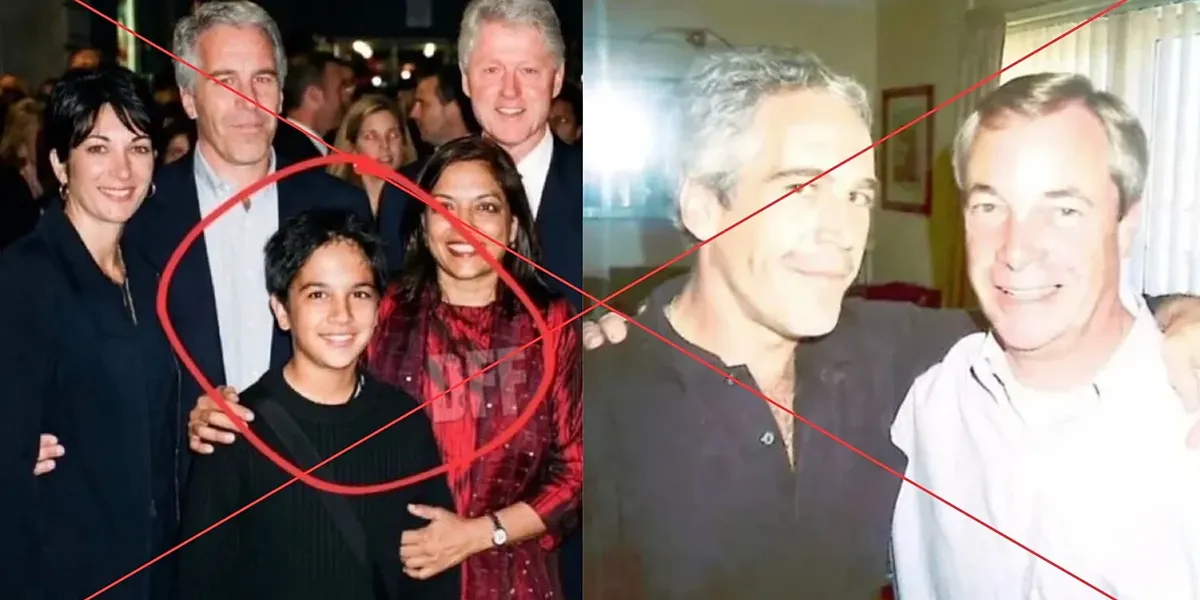
In one prominent example, AI-generated images purporting to show New York Mayor Zohran Mamdani as a child alongside Epstein, Ghislaine Maxwell, Bill Clinton, Bill Gates, and Jeff Bezos have circulated widely. Fact-checking organization The Cube identified these images as synthetic after noticing inconsistencies and confirming the presence of a SynthID—a digital token developed by Google specifically to identify AI-generated content.
The fabricated photo showed Mamdani as an infant with his mother, filmmaker Mira Nair, despite the fact that Mamdani would have been 17 years old at the time referenced in related documents. Social media users spread bizarre accompanying theories, including unfounded claims that Epstein was Mamdani’s biological father.
While Mamdani’s name does appear five times in Epstein’s files, these mentions relate to his mother’s professional connections rather than any impropriety. One email from American publicist Peggy Siegal to Epstein in October 2009 referenced Nair while discussing an after-party for her film “Amelia,” hosted at Ghislaine Maxwell’s New York home. The correspondence suggests Epstein did not attend the event.
British politician Nigel Farage has also become a target of fabricated imagery. A widely shared image appearing to show Epstein with the Reform UK leader in a living room setting was briefly amplified by the Wrexham Labour Party group on X (formerly Twitter) before being deleted. The image contained subtle inconsistencies in lighting and shadows that suggested AI manipulation.
Farage has categorically denied ever meeting Epstein, stating he “never met Epstein and never went to the island,” referring to Little Saint James in the U.S. Virgin Islands—Epstein’s private property allegedly used for sex trafficking of minors.
The misinformation campaign has extended internationally. The Ukrainian Center for Countering Disinformation identified a coordinated “Matryoshka” botnet spreading fake French newspaper covers linking President Emmanuel Macron to Epstein. One fabricated cover imitating the French daily Liberation falsely claimed Macron visited “Epstein’s island” 18 times while serving as France’s Economy Minister.
Although Macron’s name does appear in the Epstein documents, these mentions come primarily from third parties, with no evidence of direct communication between the two men or any involvement by Macron in Epstein’s crimes.
The proliferation of these sophisticated fake images highlights the growing challenge posed by AI-generated content in the media ecosystem. As tools for creating convincing synthetic media become more accessible, distinguishing between authentic and fabricated content becomes increasingly difficult for the average social media user.
The Epstein case, given its high-profile nature and connections to powerful figures, provides particularly fertile ground for misinformation. The combination of legitimate public interest in Epstein’s network and the emotional response his crimes elicit creates an environment where fabricated content can rapidly gain traction.
Tech companies and fact-checkers are racing to develop and deploy tools that can identify AI-generated content, but the technology used to create these deceptions is evolving just as quickly, creating an ongoing challenge for information integrity in the digital age.
Fact Checker
Verify the accuracy of this article using The Disinformation Commission analysis and real-time sources.

10 Comments
The release of the Epstein files has unleashed a torrent of AI-powered disinformation. We must remain skeptical of unverified claims and prioritize reliable, fact-based reporting on this complex issue.
Absolutely. The manipulation of information through synthetic media is a growing concern that requires a concerted effort to address. Fact-checking and media literacy are crucial in these times.
The spread of AI-generated misinformation around the Epstein documents is troubling. It’s important to rely on authoritative and verified sources to understand the facts of this case.
Agreed. With so much speculation and manipulation online, we must be vigilant in distinguishing truth from fiction. Fact-checking organizations play a vital role in this effort.
This is a concerning development. Disinformation fueled by AI-generated content is a serious threat to public discourse and trust. Rigorous fact-checking is crucial to counter these manipulated narratives.
I agree. The release of these Epstein files has clearly opened the door for bad actors to spread misinformation. We must remain vigilant and rely on reputable sources.
While the Epstein case is complex, we cannot allow AI-powered disinformation to obscure the facts. Rigorous journalistic investigation and fact-checking are critical to cutting through the noise.
The AI-generated images of public figures with Epstein are deeply troubling. This type of synthetic content has the power to sway public opinion and undermine truth. Careful verification is needed.
Absolutely. The sophistication of these AI-generated fakes is concerning. We must be wary of any unverified claims or images circulating online related to this case.
This news highlights the need for stronger regulations and oversight around the use of AI-generated content. Unchecked, it can have serious consequences for public discourse and trust.