


Listen to the article
UK’s Defense Against Disinformation Dangerously Inadequate, Parliamentary Report Warns
The UK government’s approach to combating international disinformation is “alarmingly under-resourced and under-funded,” according to a new report released by the Foreign Affairs Committee.
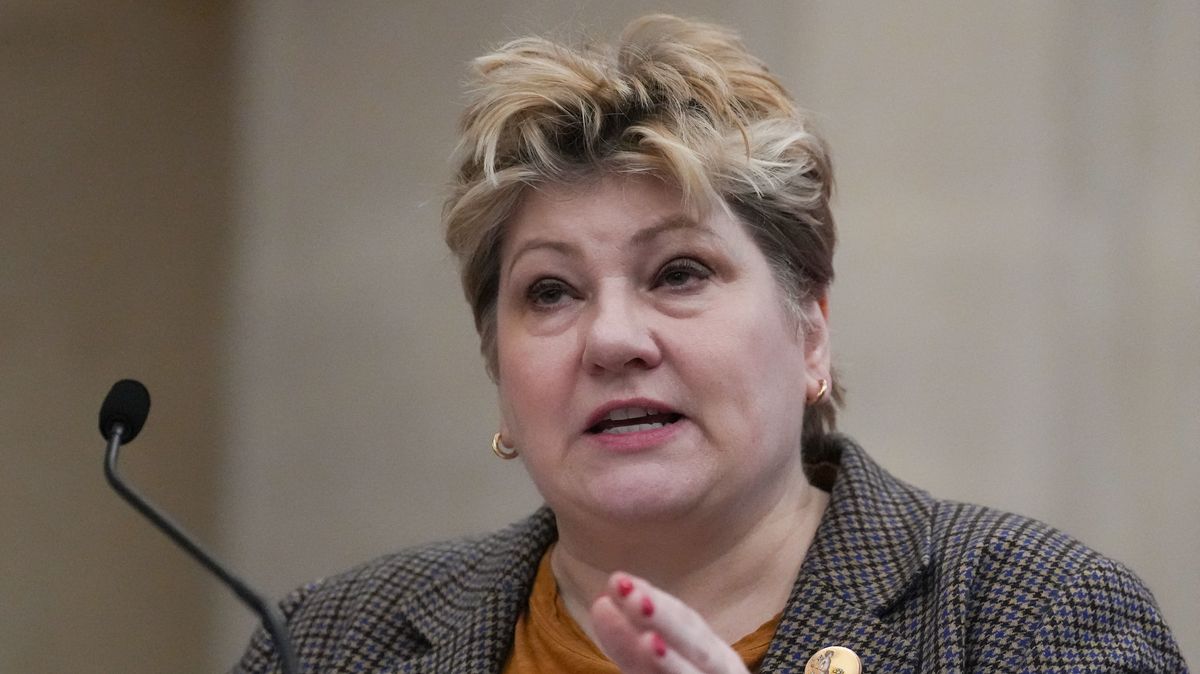
The comprehensive study, titled “Disinformation diplomacy: How malign actors are seeking to undermine democracy,” reveals significant vulnerabilities in Britain’s defenses against information warfare conducted by hostile states. Dame Emily Thornberry, Chair of the Foreign Affairs Committee, warns that the UK risks becoming “a sitting duck” if it fails to develop a more cohesive strategy.
The committee’s investigation, which initially focused on international disinformation threats, quickly identified parallels within the UK itself. Their findings highlight how foreign actors are increasingly using disinformation as their preferred method to undermine democratic processes worldwide.
“From pushing provable lies to planting false seeds of doubt, disinformation is the weapon of choice of hostile states,” Thornberry notes in the report. This manipulation of information represents a growing threat to electoral integrity and democratic institutions globally.
A key criticism centers on the Foreign Office’s narrow focus on Russian information warfare in Europe, which comes at the expense of supporting allies facing similar threats in other regions. This strategic blind spot leaves significant gaps in the UK’s ability to counter disinformation campaigns effectively on a global scale.
Despite these shortcomings, the report identifies some successes. Moldova, which has faced persistent Russian interference in its politics, benefited substantially from UK government support in countering disinformation threats. The committee witnessed firsthand how British assistance helped strengthen Moldova’s resilience against Russian attempts to manipulate their electoral processes.
However, the report stresses that such isolated successes are insufficient against an evolving threat landscape. Russia has already shifted its disinformation focus to Armenia’s election, demonstrating how malign actors continuously adapt their information warfare tactics.
“Instead of playing a game of whack-a-mole, we need a sustainable, long-term strategy to bolster the UK’s defence against disinformation at home and overseas,” Thornberry emphasizes.
The committee recommends establishing a National Counter Disinformation Centre to consolidate the currently fragmented approach spread across multiple departments and agencies. This centralized body would be responsible for declassifying examples of disinformation and providing regular briefings to media and civil society organizations, enhancing public awareness and resilience.
Supporting independent journalism emerges as another critical defense mechanism in the report. The BBC World Service receives special mention as “a brand like no other, universally respected and trusted to tell the truth.” However, the committee warns that current funding levels leave the service unable to compete effectively with state-backed media operations from Russia and China.
The report also calls for greater accountability from social media companies, which often serve as primary vectors for disinformation campaigns. It recommends that these platforms ensure their algorithms are unbiased, transparent, and resistant to manipulation by hostile actors.
With local elections approaching in the UK, the committee expresses concern that foreign disinformation campaigns observed across continental Europe could target British democratic processes. The report frames this not merely as a political issue but as a matter of national security requiring urgent attention.
The findings come amid growing international concern about the sophistication of state-sponsored disinformation operations and their potential to undermine democratic institutions. Security experts have consistently warned that the UK’s open society and digital infrastructure make it particularly vulnerable to such attacks without robust countermeasures.
The government is expected to respond to the committee’s recommendations in the coming weeks as pressure mounts to strengthen the nation’s defenses against what many security analysts now consider one of the most significant threats to modern democracies.
Fact Checker
Verify the accuracy of this article using The Disinformation Commission analysis and real-time sources.

10 Comments
Disinformation is a growing challenge for democracies worldwide. It’s concerning to hear the UK is at risk of becoming a “sitting duck” if it fails to develop a coherent counter-strategy.
Absolutely. The UK must learn from the experiences of other countries that have grappled with foreign-backed disinformation campaigns and apply those lessons.
This report highlights the urgent need for the UK to bolster its defenses against disinformation campaigns from hostile states. Combating the weaponization of information is crucial for protecting democratic processes.
Agreed. Disinformation poses a serious threat that requires a comprehensive, well-funded strategy. The UK must act quickly to shore up its vulnerabilities.
The UK’s current approach seems dangerously inadequate given the scale and sophistication of modern disinformation tactics. This is a wakeup call for policymakers to take decisive action.
I’m curious to see what specific policy recommendations the report makes to strengthen the UK’s defenses. Implementing robust solutions will be critical.
The parliamentary report’s findings are quite alarming. The UK government must prioritize developing a comprehensive strategy to counter the growing disinformation menace posed by hostile states.
Absolutely. Failing to do so could have serious consequences for the UK’s national security and democratic stability. Decisive action is needed.
Malign actors are increasingly weaponizing information to undermine democratic institutions. This report underscores the vital importance of safeguarding electoral integrity against such threats.
Agreed. Robust defenses against disinformation will be essential for preserving the UK’s democratic processes and public trust in the political system.