


Listen to the article
Fact-Checking Reveals Surge of Election Disinformation in Bangladesh
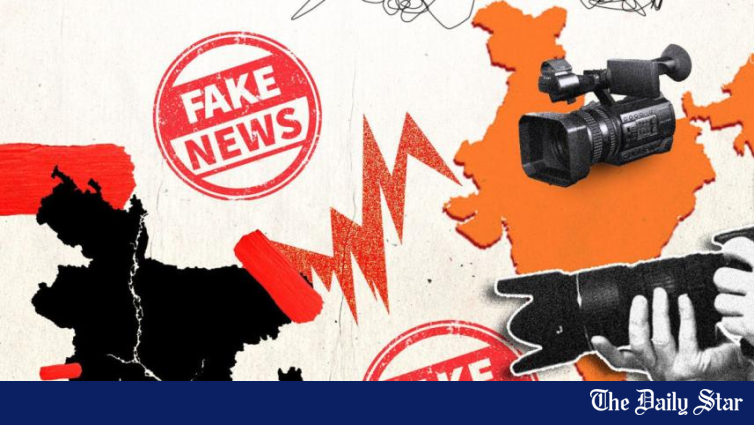
A concentrated wave of politically motivated disinformation has flooded Bangladeshi social media in the immediate lead-up to the February 12, 2026 election. An investigation by The Daily Star documented 49 distinct instances of online falsehoods within a single day before the polls opened, highlighting the intensifying information war between political factions.
Three independent fact-checking organizations—Rumour Scanner, Dismislab, and FactWatch BD—verified these cases between midnight and 7:00 PM on February 11. Rumour Scanner led the verification efforts with 33 cases, while Dismislab handled 12 instances and FactWatch BD addressed four.
The majority of these disinformation campaigns targeted the two major political rivals: the Bangladesh Nationalist Party (BNP) and Jamaat-e-Islami. Each group faced 13 direct attacks through fabricated content, while the National Communist Party (NCP) was targeted twice. The narratives primarily attempted to link opposition parties to criminal activity and undermine electoral promises.
False claims of election-related violence emerged as another dominant theme, with manipulators repurposing old or unrelated videos as recent election incidents. This tactic appeared designed to create an atmosphere of instability and fear among voters.
Among the most egregious examples was a falsified photocard that misrepresented Chhatra Dal President Rakibul Islam Rakib as planning to vote “no” despite his party leader’s position. Rumour Scanner traced this fabrication to a satirical Facebook page impersonating Jamuna TV.
In another case, disinformation creators produced a fake statement attributed to former caretaker government Chief Adviser Fakhruddin Ahmed regarding the upcoming election. Both Jamuna TV and Dismislab confirmed the photocard was completely fabricated.
Digital manipulation techniques were prevalent throughout the campaign. Fact-checkers discovered a doctored “Daily Kalbela” image that falsely quoted Jamaat-e-Islami Ameer Shafiqur Rahman expressing intentions to rig votes. Analysis revealed the image had been digitally altered from an original post about mobile phone restrictions at polling centers.
The fact-checking organizations also debunked a widely shared video purporting to show a bus being set on fire during alleged BNP-Jamaat clashes on February 10. Dismislab’s investigation revealed the footage actually showed an unrelated bus fire in Gazipur from November 2025.
False claims of violence against candidates also circulated widely. Social media posts claiming that Gono Odhikar Parishad president and candidate Nurul Haque Nur had been shot were refuted by the party’s media coordinator, who confirmed to Dismislab that while their office faced attacks, Nur himself remained unharmed.
Temporal manipulation emerged as another common tactic. Rumour Scanner found that photocards showing student leaders writing “No” on their profiles—presented as current referendum instructions—actually dated back to October 2024 protests against holding a referendum before the national election.
Context distortion appeared in multiple instances, including a video falsely claiming to show a female Jamaat student member attempting to buy votes with “black money.” FactWatch’s investigation revealed the footage was from an unrelated November 2025 police checkpoint incident in Cox’s Bazar.
The spread of these falsehoods underscores growing concerns about social media’s role in Bangladesh’s electoral process. Political tensions between the major parties have increasingly manifested in sophisticated digital manipulation campaigns designed to sway public opinion.
Election observers note that the volume and sophistication of disinformation have increased significantly compared to previous electoral cycles, reflecting both greater digital literacy among political operatives and the higher stakes of the current contest.
As Bangladesh’s voters head to the polls, the challenge of separating fact from fiction remains substantial, with potential implications for both electoral outcomes and public confidence in democratic institutions.
Fact Checker
Verify the accuracy of this article using The Disinformation Commission analysis and real-time sources.

18 Comments
Fabricated claims of election-related violence are especially troubling, as they could incite unrest and undermine confidence in the process. I commend the fact-checkers for their efforts to quickly debunk these false narratives.
The intensity of this disinformation campaign is alarming. I hope the fact-checkers and election officials can stay on top of the situation and quickly debunk any false narratives before they gain traction.
Absolutely. Timely and transparent fact-checking is crucial to maintain the integrity of the electoral process.
Attempts to link opposition parties to criminal activity and undermine electoral promises are clearly politically motivated. Voters deserve transparency and honesty from all sides during the democratic process.
Agreed. Fact-checking is essential to expose these manipulative tactics and ensure a free and fair election.
While it’s concerning to see this surge of falsehoods, I’m encouraged by the fact-checking work being done. Maintaining an informed and engaged citizenry is key to a healthy democracy.
The intensity of this disinformation campaign is alarming. I commend the fact-checkers and election officials for their efforts to stay on top of the situation and quickly debunk any false narratives.
Agreed. Their work is crucial in maintaining the integrity of the electoral process.
Attempts to link opposition parties to criminal activity and undermine electoral promises are clearly politically motivated. I hope the authorities take strong action to identify and address the sources of this disinformation.
Absolutely. Protecting the integrity of the electoral process should be a top priority.
Disinformation is a growing threat to democracy worldwide. Kudos to the local organizations in Bangladesh for their efforts to combat these tactics and protect the rights of voters.
Disinformation is a growing threat to democracy worldwide. I’m encouraged to see the local fact-checking organizations in Bangladesh taking a proactive approach to combat these tactics and protect the rights of voters.
It’s disappointing to see political factions resort to such underhanded tactics. Voters should be able to rely on credible information to make their choices, not be bombarded with lies and smears.
Fabricated claims of election-related violence are especially concerning, as they could sow fear and discord. I hope the authorities are taking strong action to identify and address the sources of this disinformation.
Concerning to see this surge of disinformation leading up to the election. It’s critical that voters have access to accurate, fact-based information to make informed decisions. Fact-checking efforts by local organizations are crucial in combating the spread of falsehoods.
Fabricated claims of election-related violence are especially troubling, as they could incite unrest and undermine confidence in the process. I hope the authorities take strong action to identify and address the sources of this disinformation.
While it’s concerning to see this surge of falsehoods, I’m hopeful that the efforts of the fact-checkers will help to maintain an informed and engaged citizenry, which is key to a healthy democracy.
It’s disheartening to see political factions resort to such underhanded tactics. Voters deserve access to accurate, factual information to make informed choices, not be bombarded with lies and smears.