


Listen to the article
The battle for truth in an era of information warfare has escalated to unprecedented levels, with fact-checkers and disinformation researchers increasingly finding themselves targeted by political forces. Recent events highlight the critical importance of verifying information before forming conclusions, particularly in emotionally charged contexts.
Last week, thousands of social media users engaged with false reports that celebrated Italian novelist Elena Ferrante had died. The fabricated news spread rapidly on X before being debunked. Such viral misinformation exploits our cognitive biases, triggering emotional responses that bypass critical thinking and prompt immediate reactions.
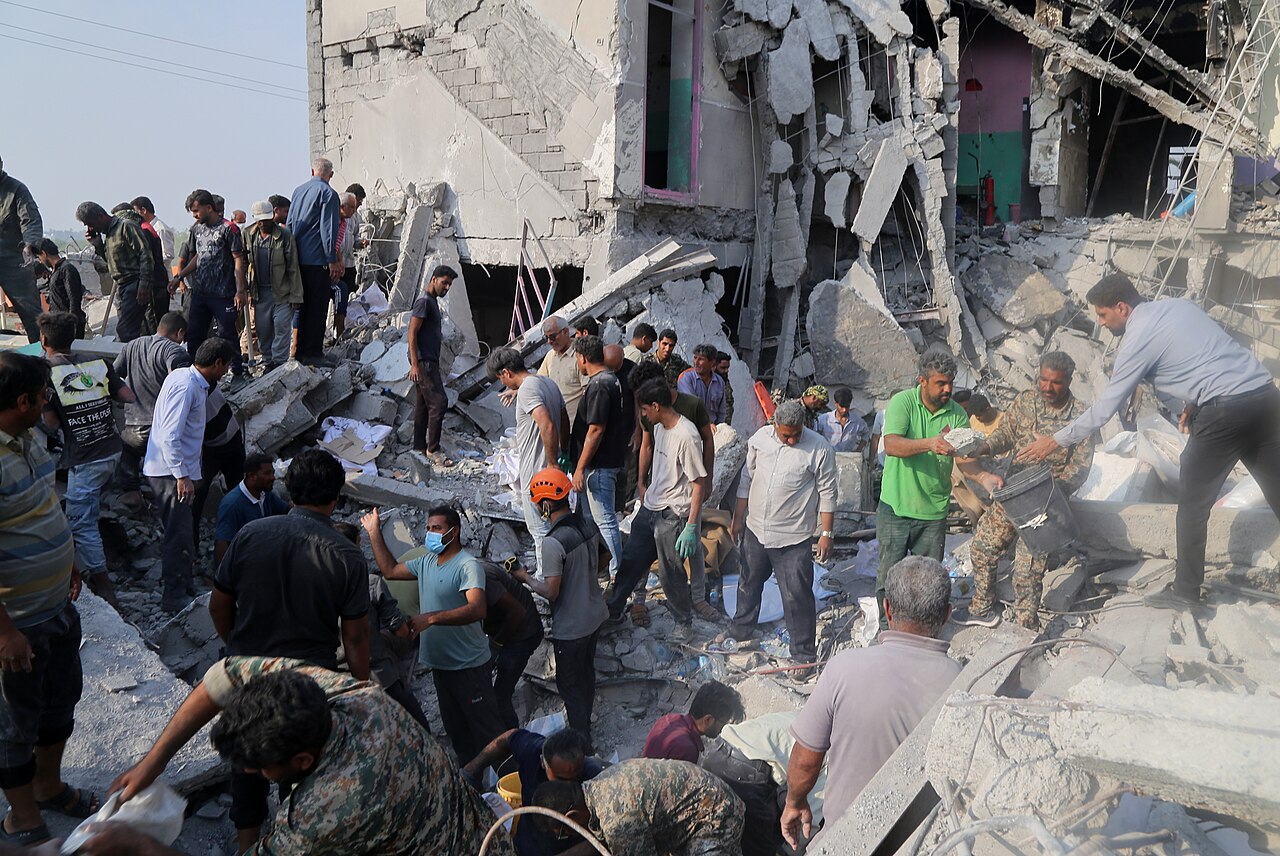
This pattern becomes even more problematic when applied to geopolitical events with significant international implications. The recent bombing at the Minab school in Iran has generated intense, contradictory narratives amplified by politicians, celebrities, and social media personalities, each promoting their version of events.
Major news organizations including The New York Times have attempted to sort fact from fiction in this challenging media landscape. Their efforts underscore a fundamental principle: accurate reporting matters, particularly when lives are at stake and international relations hang in the balance.
The cognitive biases that make us vulnerable to misinformation now extend to how we perceive fact-checkers themselves. To some, these researchers represent liberal censorship targeting conservative voices. To others, they serve as essential defenders of democracy and free speech against sophisticated disinformation campaigns, particularly those originating from foreign entities.
Index, an organization focused on information integrity, has consistently worked to identify problematic patterns in misinformation, including false flag operations and evolving narratives that shift as new evidence emerges. With rapid advances in artificial intelligence and increasingly sophisticated online deception, there’s an urgent need for more investigators who can analyze, contextualize, and verify our information sources.
The Trump administration, however, has taken a confrontational stance toward these efforts. Since returning to power, Trump has not only targeted journalists and media outlets but also extended his criticism to mis- and disinformation researchers. These specialists have endured federal funding cuts, escalating harassment, and even death threats.
In December, five researchers were denied entry to the United States, accused of participating in what the administration termed the “global censorship-industrial complex.” The situation threatens to worsen, with plans reportedly being developed to revoke or deny visas for non-citizens working in this field, potentially subjecting them to detention and deportation.
In response, the research community has mobilized legal action. This week, the Knight First Amendment Institute and Protect Democracy filed a lawsuit on behalf of the Coalition for Independent Technology Research (CITR), challenging the constitutionality of the new immigration policy. The plaintiffs argue that these measures violate First Amendment protections and are designed to suppress independent research about social media and internet platforms.
“This policy is meant to censor researchers into silence and keep the public in the dark, and that’s exactly what it’s doing,” said Brandi Geurkink, executive director at CITR.
While a viral post falsely reporting a novelist’s death may seem relatively inconsequential, accurate information about warfare in Iran carries profound implications for international security and humanitarian concerns. Experts who identify red flags and provide context for the information we consume are not enemies of free speech—they’re essential to its meaningful exercise.
The effort to brand these researchers as censors represents a troubling attempt to silence those dedicated to distinguishing fact from fiction at a time when that distinction has never been more crucial.
Fact Checker
Verify the accuracy of this article using The Disinformation Commission analysis and real-time sources.

5 Comments
The reported bombing in Iran has certainly generated a lot of conflicting narratives. In these complex geopolitical situations, it’s vital that we rely on authoritative, fact-based reporting to understand what really happened. Fact-checkers are essential for cutting through the noise.
The dismissal of fact-checkers is deeply concerning. Their role in verifying information is vital for upholding truth in media, especially in an era of rampant misinformation. We must defend the integrity of journalism and empower those who work to separate fact from fiction.
Well said. Fact-checking is an essential safeguard against the spread of false narratives. Undermining this process is a threat to informed public discourse.
Misinformation exploiting emotional biases is a serious challenge. The ability to quickly debunk fabricated news before it goes viral is crucial. Fact-checkers play a crucial watchdog role that must be protected, not dismissed.
I agree. Emotional manipulation through false information is a growing problem. Strengthening fact-checking is key to upholding journalistic standards and restoring public trust.