


Listen to the article
As Nepal braces for a critical parliamentary election on March 5, 2026, a wave of misleading information and manipulated content is spreading rapidly across social media platforms, threatening to undermine the democratic process.
Recent incidents highlight the growing problem. A viral photo of Sobita Gautam, a Rastriya Swatantra Party (RSP) candidate from Chitwan Constituency No. 3, was widely circulated with claims labeling her an “American agent.” Nepal Fact Check later verified that the images were innocuously taken during a public interaction program. In another case, artificially generated images falsely depicted Nepali Congress President Gagan Kumar Thapa being chased away by voters in his Sarlahi constituency.
These examples represent just a fraction of the misinformation challenges facing Nepal’s electoral landscape. The upcoming election follows significant political upheaval, with the KP Oli government ousted after protests in September 2025. An interim government led by former Chief Justice Sushila Karki was subsequently formed with the specific mandate of conducting free and fair elections.
Several ministers from this interim cabinet have already resigned to participate as candidates, while political parties and independents intensify their campaigns nationwide. However, the electoral process is increasingly complicated by digital misinformation.
Chetana Kunwar, associate editor at Nepal Fact Check, explains that political actors frequently exploit misinformation to gain electoral advantages. “Political parties and their leaders tend to use misleading content for electoral gain, aiming to increase support in their favor,” Kunwar noted. She identified Facebook, TikTok, and X (formerly Twitter) as the primary channels for such activities, often from accounts established in the name of party supporters.
Dipak Adhikari, editor of Nepal Check, confirmed that misinformation typically originates from various sources, including political parties, candidates, activists, influencers, media organizations, and ordinary users. The campaign season, he noted, tends to amplify propaganda and false claims dramatically.
The implications extend beyond immediate electoral outcomes. Media researcher Ujjwal Acharya warned that persistent misinformation erodes public confidence in democratic institutions. “Misinformation clouds citizens’ judgment. Knowledge and accurate information are crucial foundations for making sound democratic choices,” Acharya explained. He added that the phenomenon often diverts public discourse away from substantive policy issues and can discourage voter participation, threatening electoral integrity.
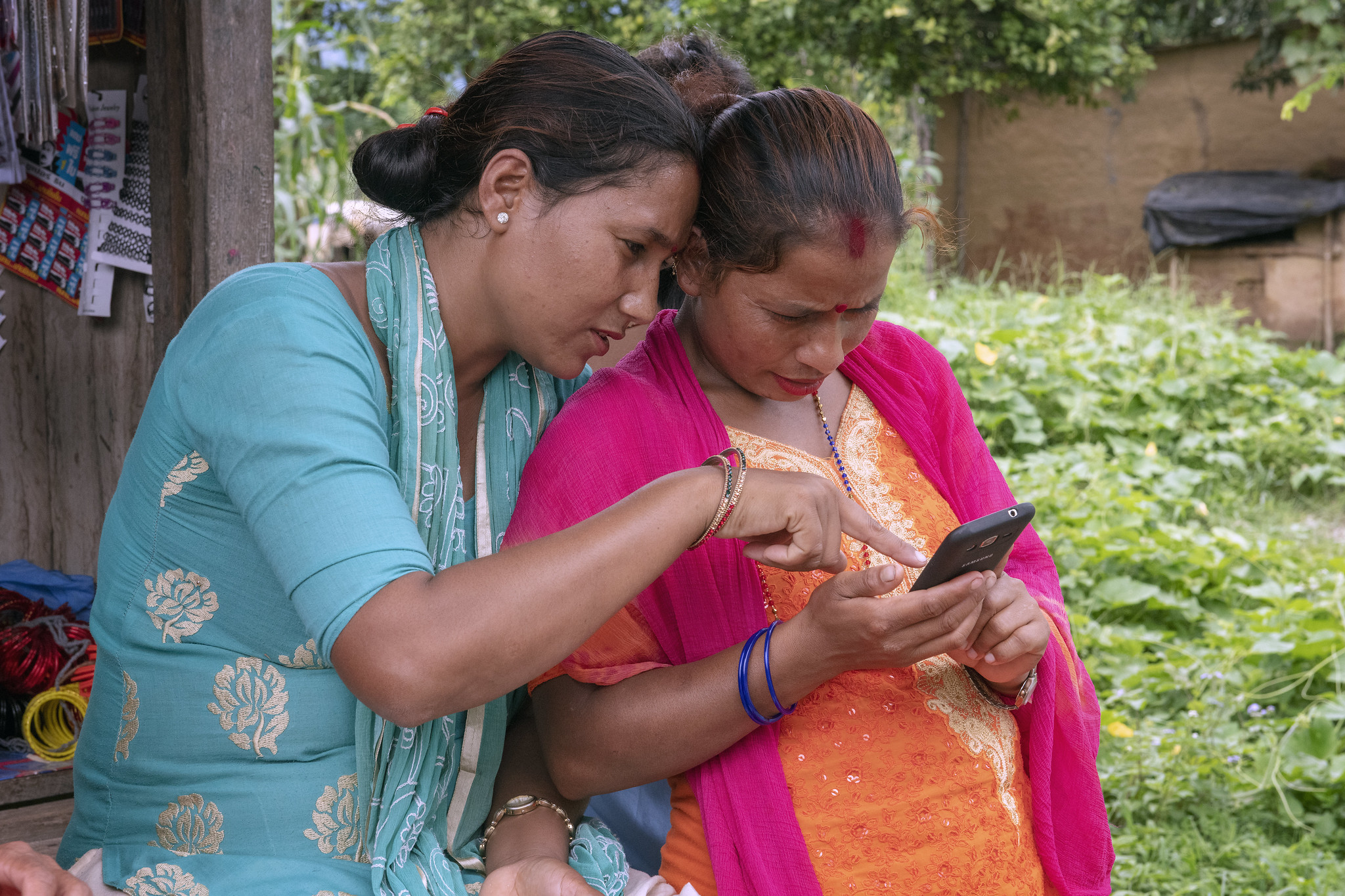
The challenge has intensified with technological advancements. Nepal’s 2021 National Census revealed that 73% of citizens use smartphones, and over 37% have internet access. A survey by the Center for Media Research Nepal found that more than 95% of online users had encountered false information at some point.
Artificial intelligence and deepfake technology have introduced unprecedented complications, making it easier than ever to produce convincing falsified content. Acharya emphasized that AI-generated material can “depict fabricated events as real,” potentially misleading voters on a significant scale. He called for responsible behavior from political entities and strengthened monitoring by the Election Commission.
Lekanath Pandey, a journalism lecturer at Tribhuvan University, observed that misinformation is often deployed strategically during elections to portray candidates or parties favorably. While media organizations perform essential verification roles, Pandey argued that journalists alone cannot stem the flow of false information without robust regulatory frameworks and institutional support.
The Election Commission of Nepal claims it is actively monitoring violations of the Election Code of Conduct. Commission spokesperson Suman Ghimire revealed that 21 parties and individuals have been asked for clarification regarding potential code violations, with five responses received thus far. The Commission’s Information Integrity Promotion Unit has identified 302 instances of misinformation, disinformation, and hate speech online, with investigations and penalties in process.
As the election approaches, the spread of misinformation remains a critical challenge to Nepal’s democratic process, requiring coordinated efforts from institutions, media organizations, and citizens to protect electoral integrity.
Fact Checker
Verify the accuracy of this article using The Disinformation Commission analysis and real-time sources.

14 Comments
This is a worrying trend that could have serious consequences for Nepal’s democratic stability. The interim government must take decisive action to counter the spread of disinformation and protect the upcoming election from malicious interference.
The rise of AI-generated deepfakes and coordinated disinformation campaigns poses a serious threat to the integrity of Nepal’s electoral process. Vigilance and a whole-of-society approach will be required to combat this challenge.
Absolutely. Nepal’s leaders must work closely with tech companies, civil society, and the media to develop effective strategies to detect and debunk online falsehoods.
The rise of AI-powered disinformation is a growing concern globally. Nepal’s situation highlights the urgent need for robust digital literacy programs and effective fact-checking mechanisms to inoculate the public against misleading propaganda.
This is a troubling development that could undermine faith in Nepal’s democratic institutions. I hope the authorities can quickly identify the source of these coordinated disinformation campaigns and take appropriate action to safeguard the election.
Absolutely. Protecting the electoral process from malicious actors exploiting emerging technologies like deepfakes should be a top priority for Nepal’s leaders.
Concerning to see the spread of disinformation and manipulated content ahead of Nepal’s critical election. Voters deserve access to accurate, unbiased information to make informed decisions. Fact-checking efforts will be crucial to combat the threat of deepfakes and AI-generated falsehoods.
Agreed. The interim government must take strong steps to ensure the integrity of the electoral process and empower citizens to discern truth from fiction online.
Disturbing to see attempts to undermine Nepal’s democratic process through the spread of manipulated media. Transparent and accountable electoral institutions will be essential to ensure the March 2026 vote is free and fair.
Agreed. Nepal’s interim government must take proactive steps to counter disinformation and empower voters to make informed choices at the ballot box.
The spread of disinformation and manipulated media ahead of Nepal’s election is deeply troubling. Safeguarding the integrity of the democratic process should be a top priority for the interim government and all stakeholders.
Agreed. Transparent and accountable electoral institutions, coupled with robust fact-checking mechanisms, will be essential to combating the threat of online falsehoods.
This is a concerning development that could undermine the democratic process in Nepal. Fact-based, impartial reporting and rigorous public education efforts will be crucial to ensuring voters have access to reliable information.
This is a concerning development that could erode public trust in Nepal’s democratic institutions. Robust fact-checking, digital literacy campaigns, and election monitoring will be critical to safeguarding the integrity of the upcoming vote.