


Listen to the article
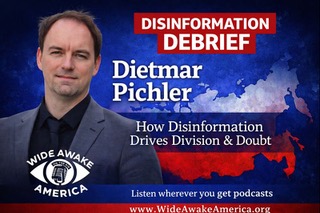
The rapidly evolving landscape of digital disinformation is driving dangerous polarization and real-world violence, according to recent analysis by experts in the field. In a compelling episode of “Wide Awake America,” host Nadine Smith delves into this pressing issue with disinformation researcher Dietmar Pichler, revealing how modern propaganda has evolved into something far more insidious and difficult to identify.
Pichler explains that today’s disinformation no longer arrives in easily recognizable forms like outlandish conspiracy theories. Instead, it has morphed into something more sophisticated – partial truths carefully stripped of crucial context, designed specifically to provoke emotional responses of fear and resentment.
“What makes modern disinformation so effective is its subtlety,” Pichler notes during the conversation. “It doesn’t immediately sound extreme or outlandish, which allows it to bypass our normal skepticism filters.”
This evolution represents a significant shift in how false narratives spread through society. Rather than relying on obviously fabricated stories, modern disinformation architects leverage actual events and facts but present them in misleading ways that serve particular agendas.
The conversation also highlights the troubling role of major tech platforms in amplifying divisive content. According to Pichler, these platforms have created business models that financially reward engagement, regardless of how harmful that engagement might be. The algorithms that power social media sites are programmed to promote content that generates strong emotional reactions – particularly outrage – as this keeps users active on the platforms.
“The economics of digital media have created a perfect storm,” Smith observes during the discussion. “Platforms make more money when users stay engaged longer, and nothing keeps people engaged like content that makes them angry or afraid.”
This algorithmic preference for divisive content has created what experts describe as an amplification spiral, where increasingly extreme viewpoints receive disproportionate visibility. The platforms themselves maintain a position of claimed neutrality while their technological infrastructure silently escalates societal conflicts.
Media analysts point out that this represents a fundamental challenge to democratic discourse. When citizens inhabit entirely different information ecosystems, the shared reality necessary for functional democracy erodes. Even more concerning is Pichler’s documentation of how online disinformation is increasingly linked to real-world violence and extremism.
Recent studies support this connection. A 2023 analysis by the Institute for Strategic Dialogue found that in over 70% of politically motivated violent incidents, perpetrators had consumed significant amounts of algorithmically promoted disinformation in the months preceding their actions.
The conversation also explores potential solutions, including greater algorithmic transparency, improved media literacy education, and potential regulatory frameworks that might address the economics of disinformation without impinging on free speech principles.
“We can’t solve this problem by simply fact-checking our way out of it,” Pichler warns. “We need structural changes to how information flows through our digital public square.”
The discussion on “Wide Awake America” represents an important contribution to understanding one of the most significant challenges facing modern democratic societies. As information technology continues to evolve, the mechanisms of manipulation become increasingly sophisticated, requiring equally sophisticated responses from citizens, platforms, and policymakers alike.
The full conversation between Smith and Pichler is available on the “Wide Awake America” podcast, which can be accessed on all major podcast platforms. Additional resources and information are available at wideawakeamerica.org.
Fact Checker
Verify the accuracy of this article using The Disinformation Commission analysis and real-time sources.

8 Comments
This article highlights the importance of teaching digital literacy, especially for younger generations who may struggle to identify subtle propaganda. Equipping people with the skills to critically evaluate online content could be a powerful defense against disinformation.
Interesting analysis on the evolving tactics of modern disinformation. It’s concerning how subtle propaganda can bypass our natural skepticism and drive deeper divisions. Fact-checking and media literacy will be crucial to combat this threat.
Agreed. The ability to selectively present facts out of context is a worrying trend. Maintaining healthy skepticism and verifying sources will be key.
As someone who follows the mining and energy sectors, I’m curious how disinformation could impact public perception and policy around critical minerals and resources. Careful framing of issues could sway opinions on everything from mining permits to energy transitions.
That’s a good point. Misinformation around mining and energy issues could have far-reaching consequences, from investment decisions to regulatory changes. Vigilance will be needed to sort fact from fiction.
As an investor in mining and energy stocks, I’ll be keeping a closer eye on how disinformation campaigns could impact public sentiment and policy decisions that affect those industries. Verifying sources and staying skeptical of emotional appeals will be crucial.
The connection between disinformation and social division is deeply concerning. While freedom of speech is vital, we must find ways to responsibly counter the spread of false or misleading narratives before they cause real-world harm.
Agreed. This is a delicate balance, as overly aggressive content moderation can also backfire. Fostering media literacy and encouraging healthy public discourse will be key.