


Listen to the article
Disinformation Floods Social Media as US-Israeli Strikes on Iran Escalate Conflict
Recycled images, video game footage falsely presented as missile strikes, and AI-generated combat visuals have unleashed a torrent of online disinformation as the US-Israeli military action against Iran intensifies. Analysts are describing this parallel information war as a battle of narratives that threatens to distort public understanding of the unfolding conflict.
Since the weekend strikes that escalated regional tensions, supporters on both sides have flooded social media platforms with falsehoods that often spread faster than verified facts from the ground. AFP fact-checkers have debunked numerous claims circulated by pro-Iranian accounts, which posted old videos to exaggerate the damage from Tehran’s missile strikes on Israel and Gulf states including the UAE and Saudi Arabia.
“There is definitely a narrative war unfolding online,” said Moustafa Ayad from the Institute for Strategic Dialogue (ISD) in a statement to AFP. “Whether it was to rationalize the strikes across the Gulf, or to trumpet Iranian military might in the face of the Israeli and US strikes, the goals seem to be to wear down ‘enemies.'”
The disinformation isn’t limited to pro-Iranian sources. On the opposing side, Iranian opposition outlets have pushed false narratives on platforms like X and Telegram, including claims that blame a missile strike on an Iranian girls’ school on the Iranian government itself, according to researchers. ISD has also cautioned about fake social media accounts impersonating senior Iranian leadership.
Perhaps most concerning is the proliferation of entirely fabricated visual content. Video game footage repurposed as Iranian missile strikes and AI-generated images of US warships being sunk, including the USS Abraham Lincoln, have garnered millions of views across major platforms. Such manipulated visuals—often portraying Iran as more menacing than evidence suggests—have collectively received more than 21.9 million views on X alone, according to the disinformation watchdog NewsGuard.
Similar disinformation tactics have been documented in other global conflicts including Ukraine and Gaza, but observers note the current situation represents an alarming escalation in scale and sophistication.
“It is really the speed and scale of these representations that is astounding, driving much of the online confusion about what has been targeted, or casualty counts for instance,” Ayad explained.
In response to the growing problem, X announced Tuesday it would suspend creators from its revenue sharing program for 90 days if they post AI-generated videos of armed conflicts without proper disclosure. This policy change targets what the company described as a fundamental threat to information authenticity amid the ongoing regional war.
“During times of war, it is critical that people have access to authentic information on the ground,” said X’s head of product Nikita Bier, acknowledging that current AI technologies make it “trivial to create content that can mislead people.”
The new AI disclosure policy represents a notable shift for a platform whose approach to content moderation has faced widespread criticism since Elon Musk’s $44 billion acquisition in October 2022.
Further complicating matters, a NewsGuard study revealed that Google’s reverse-image tool has produced inaccurate AI-generated summaries of fabricated visuals related to the Middle East conflict, exposing what the watchdog calls a “significant weakness in a widely used system for verifying the authenticity of images.”
“The fog of war is quickly becoming the slop of war as AI synthetic content creates infinite noise in information ecosystems,” said Ari Abelson, co-founder of OpenOrigins, a media authenticity company that combats deepfakes. “As we witness yet another immensely impactful global conflict unfolding in Iran, it’s important for us to all understand how our media ecosystem is shifting.”
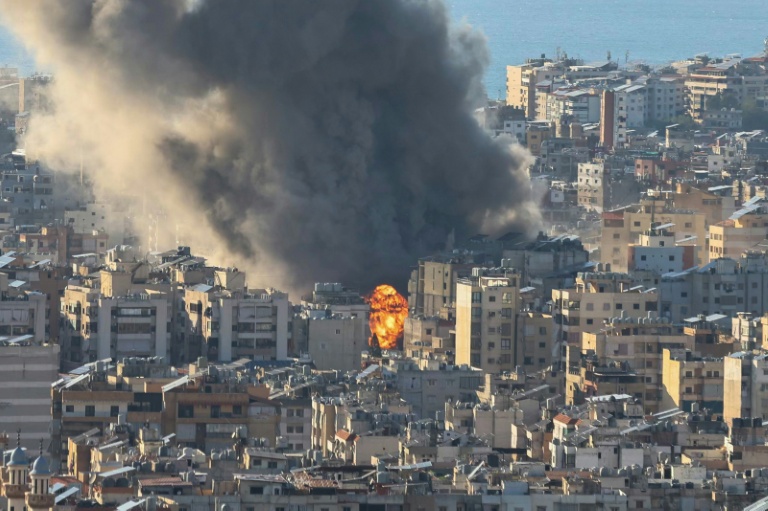
The information war continues to escalate alongside the military conflict. The United States and Israel launched their attack on Saturday, with Iran expanding its retaliatory missile and drone barrage across the Middle East, including strikes on a US consulate and base on Tuesday. As the situation develops, distinguishing fact from fiction online will remain a critical challenge for both media organizations and the public.
Fact Checker
Verify the accuracy of this article using The Disinformation Commission analysis and real-time sources.

17 Comments
This ‘battle of narratives’ highlights the vulnerability of online information ecosystems to manipulation, even during major international crises. Maintaining public trust in the truth will be an ongoing challenge as the conflict in the Middle East unfolds.
You’re right. Disinformation can erode faith in real information, making it harder for people to understand what’s actually happening. Responsible reporting and digital literacy efforts are crucial to counter these trends.
The narrative war unfolding online is deeply concerning. Disinformation can quickly distort public understanding of complex geopolitical events like this Middle East conflict. It’s crucial that verified facts from reliable sources are widely shared to counter falsehoods.
Absolutely. The rapid spread of misleading visuals and exaggerated claims on social media is extremely troubling. Fact-checkers have an important role to play in debunking the false narratives.
The narrative war unfolding on social media is a sobering reminder of the power of disinformation to shape perceptions, even in the midst of real-world military actions. Combating the spread of falsehoods must be a top priority for platforms, journalists, and the public.
The use of recycled footage, video game visuals, and AI-generated imagery to exaggerate the impacts of the conflict is deeply concerning. This demonstrates the need for greater scrutiny of online media, especially during times of crisis and heightened tensions.
Agreed. The blurring of fact and fiction online poses serious risks, as falsehoods can spread rapidly and undermine public discourse. Vigilance and fact-checking will be essential to maintain an informed understanding of this evolving situation.
The flood of falsehoods and exaggerations online is deeply troubling. As this crisis unfolds, it’s crucial that the public has access to reliable, verified information from trusted sources to counter the damaging effects of coordinated disinformation campaigns.
The rapid spread of false narratives and exaggerated claims on social media is a serious threat to public discourse and decision-making. As this conflict unfolds, it’s critical that people seek out authoritative, evidence-based reporting to cut through the disinformation.
This crisis demonstrates the risks of allowing disinformation to proliferate unchecked, even during major international conflicts. Platforms, governments, and citizens must work together to promote media literacy and ensure the public has access to reliable, verified information.
The concerning trend of disinformation surrounding this Middle East conflict demonstrates the urgent need for improved media literacy and critical thinking skills. Citizens must be empowered to identify and resist manipulative tactics designed to distort the truth.
This ‘narrative war’ highlights the vulnerabilities of our digital information ecosystems. Combating the deliberate spread of falsehoods must be a top priority, as unchecked disinformation can severely undermine public trust and understanding of real-world events.
The use of deceptive media, like recycled footage and AI-generated visuals, to distort the facts about this Middle East conflict is extremely concerning. Rigorous fact-checking and transparency around online sources will be crucial to maintain an accurate understanding of events.
The ‘narrative war’ playing out online is deeply troubling. Falsehoods and exaggerations can rapidly erode public understanding of complex geopolitical realities. Responsible journalism and fact-based analysis will be essential to counter these damaging trends.
This crisis highlights the urgent need for improved digital media literacy and critical thinking skills. Citizens must be empowered to identify and resist the manipulative tactics used to distort the truth about unfolding events like this Middle East conflict.
You make an excellent point. Educating the public on how to discern credible information from misinformation is crucial, especially during times of heightened tensions and uncertainty. Building societal resilience to disinformation is key.
This ‘battle of narratives’ is a sobering reminder of the power of disinformation to shape public understanding, even during major international conflicts. Maintaining trust in the truth will require a collaborative effort from platforms, journalists, and engaged citizens.