


Listen to the article
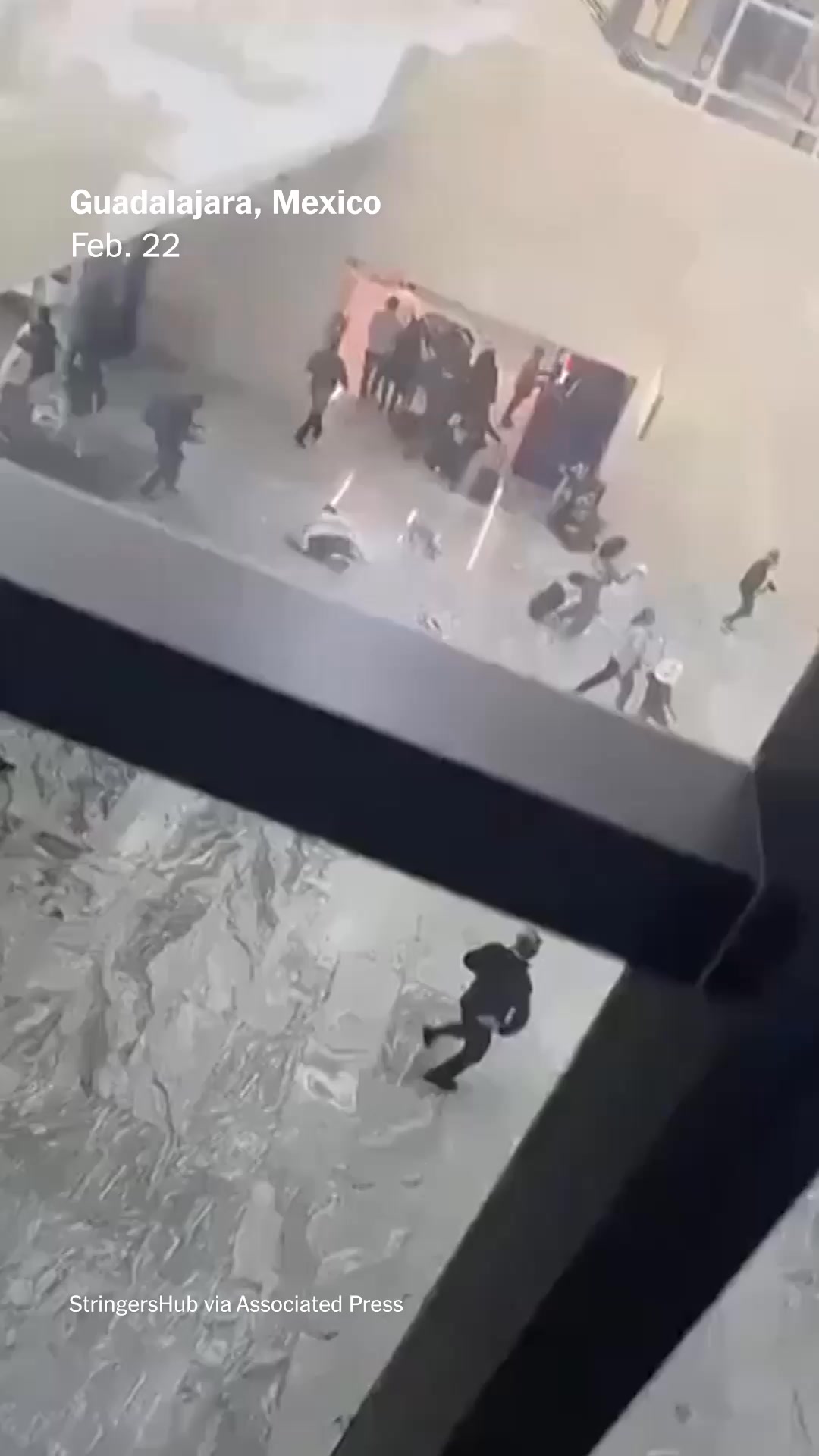
A wave of digital disinformation swept through Mexico in the aftermath of a major military operation that resulted in the death of the country’s most powerful cartel leader, according to Mexican officials and media reports.
The spread of false information, including AI-generated images and fabricated news reports, created an atmosphere of fear and confusion among local residents and tourists alike. Government authorities have suggested that some of this content may have been strategically deployed by criminal organizations seeking to amplify chaos.
Security analysts monitoring the situation noted that social media platforms were flooded with manipulated images purporting to show violent confrontations, burning vehicles, and armed men in various tourist destinations. Many of these images were later confirmed to be digitally altered or completely fabricated using artificial intelligence tools.
“What we witnessed was an unprecedented campaign of digital misinformation designed to create panic,” said Dr. Elena Ramírez, a security analyst specializing in organized crime at Universidad Nacional Autónoma de México. “The sophistication of some of this content suggests coordination and resources that go beyond spontaneous social media reactions.”
The disinformation campaign began hours after Mexican military forces conducted the operation that killed the cartel leader, whose organization had controlled significant territory and trafficking routes across multiple states. The military action represented one of the most significant blows to organized crime in Mexico in recent years.
Tourism officials in several coastal regions reported receiving numerous cancellations as international visitors, alarmed by graphic images circulating online, rushed to change their travel plans. The economic impact was immediate in communities heavily dependent on tourism revenue.
“We had guests checking out early and canceling upcoming reservations after seeing these fabricated images,” said Roberto Sánchez, president of the Hotel Association in a major tourist destination. “Even after we assured them that the situation in our area remained calm and secure, the damage was already done.”
Mexican authorities responded by establishing a rapid response communications team to counter false information. The government utilized official channels to publish real-time updates and verification of actual security conditions in various regions.
“This appears to be a deliberate strategy to undermine public confidence and create economic disruption,” said Interior Ministry spokesperson Miguel Hernández during a press briefing. “We have evidence suggesting that criminal actors are behind some of the most widely shared false content.”
Digital forensics experts identified several patterns in the disinformation, including coordinated posting times and consistent narrative themes across seemingly unrelated accounts. Many posts included precise details about specific locations designed to lend credibility to the false claims.
The situation highlights the growing challenge of combating sophisticated disinformation in crisis situations. Unlike previous security events in Mexico, where misinformation spread primarily through word-of-mouth or simple social media sharing, this campaign featured technically advanced content creation.
“What makes this case particularly concerning is the use of artificial intelligence to generate convincing imagery,” said Carlos Mendoza, director of a cybersecurity firm that analyzes digital threats. “The technology to create these fakes is becoming more accessible, while the ability to quickly identify them remains limited.”
Mexican business associations have called for new legislation to address the economic damage caused by malicious disinformation campaigns. Tourism industry representatives estimate losses in the millions of dollars due to cancellations triggered by false security alerts.
International security agencies have expressed concern about this emerging tactic, noting that criminal organizations worldwide are increasingly adopting sophisticated digital strategies to advance their interests and counteract law enforcement efforts.
As Mexico continues its operations against cartel leadership, authorities are preparing for more sophisticated disinformation campaigns in the future, developing both technical tools and public awareness initiatives to mitigate their impact.
Fact Checker
Verify the accuracy of this article using The Disinformation Commission analysis and real-time sources.

10 Comments
This highlights the need for increased digital literacy and fact-checking efforts, especially around major events. Citizens must be armed with the tools to identify manipulated content online.
Absolutely. Empowering the public to discern truth from fiction will be key to curbing the impact of these disinformation tactics.
The use of AI-generated content to spread falsehoods is particularly concerning. Developing effective detection methods and policies to limit the abuse of these technologies should be a top priority.
While the intent behind these disinformation campaigns is clear, the full scale and impact remain to be seen. Ongoing monitoring and analysis will be crucial to understanding and combating this problem.
The coordination and sophistication of these disinformation campaigns are alarming. Tackling this challenge will require a multifaceted approach involving government, industry, and civil society.
The sophistication of these manipulated images and fabricated reports is troubling. Authorities will need to stay vigilant and work closely with tech platforms to identify and remove this content quickly.
Agreed. Disinformation can spread rapidly online and cause real-world panic. Proactive steps to detect and mitigate these campaigns are essential for public safety.
This incident underscores the vulnerability of online information ecosystems to malicious exploitation. Strengthening digital resilience and media literacy must be a key part of the solution.
Cartel activity and organized crime pose serious threats, and the weaponization of social media only compounds the challenges. Robust security cooperation and information-sharing will be vital going forward.
This is very concerning. Criminal organizations leveraging disinformation to sow chaos is an alarming trend. Monitoring social media manipulation and AI-generated content will be crucial to combat these threats.