


Listen to the article
The Trump administration is implementing new restrictions that would prevent individuals who work to combat disinformation and hate speech from obtaining U.S. worker visas, according to a recent report by Reuters. The move represents a significant escalation in the ongoing conservative campaign against content moderation and fact-checking professionals.
A State Department memo sent to all U.S. missions on December 2 directs consular officers to scrutinize the backgrounds of H-1B visa applicants and their family members for any connection to fields such as misinformation control, disinformation prevention, content moderation, fact-checking, and online safety.
“If you uncover evidence an applicant was responsible for, or complicit in, censorship or attempted censorship of protected expression in the United States, you should pursue a finding that the applicant is ineligible,” the memo states, citing specific provisions of the Immigration and Nationality Act.
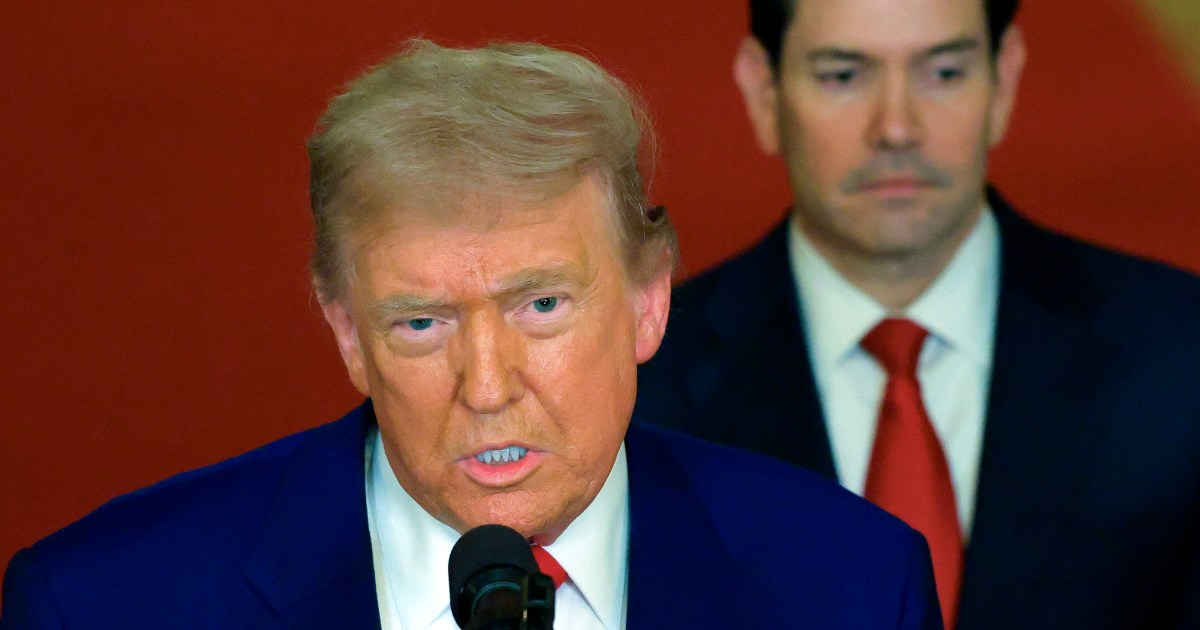
While the State Department declined to confirm the document’s authenticity, a spokesperson told Reuters they “do not support aliens coming to the United States to work as censors muzzling Americans.” The spokesperson defended the policy by referencing former President Trump’s removal from several social media platforms following the January 6 Capitol riot, characterizing it as “abuse” and stating that Trump “does not want other Americans to suffer this way.”
The spokesperson added that “allowing foreigners to lead this type of censorship would both insult and injure the American people,” framing the issue as one of protecting American free speech rights.
This policy shift aligns with a broader conservative movement that has increasingly targeted researchers and experts who study online disinformation and hate speech. Critics of this approach argue that the real aim is to eliminate obstacles to spreading political propaganda through social media channels.
The H-1B visa program has long been a crucial pathway for U.S. tech companies to recruit skilled foreign workers, particularly in specialized fields where domestic talent may be limited. This new policy could significantly impact tech companies and research institutions that employ international experts in online safety and content moderation.
Industry observers note that the timing of this policy is particularly significant as social media platforms face mounting pressure to address misinformation concerns ahead of major global elections in 2024. The restriction could create staffing challenges for companies already struggling to balance free speech principles with the need to curb harmful content.
Civil liberties organizations have expressed alarm about the policy, suggesting it represents an attempt to politicize immigration policy while potentially weakening platforms’ ability to counter dangerous misinformation. Meanwhile, conservative advocacy groups have praised the move, framing it as protection against what they perceive as politically motivated censorship.
The policy also raises questions about the definition of “censorship” in the digital context. Content moderation practices vary widely across platforms and typically involve applying community standards rather than government-directed speech restrictions. Critics argue that labeling all content moderation as “censorship” fundamentally mischaracterizes the nature of this work.
As implementation begins, legal challenges are likely, with questions about the constitutional implications of denying visas based on professional expertise in fields like fact-checking and content moderation.
The impact could extend beyond individual visa applicants to affect research institutions, academic programs, and technology companies dedicated to studying and addressing online misinformation – potentially reshaping how America approaches digital information quality at a time when concerns about manipulated media and artificial intelligence-generated content are growing rapidly.
Fact Checker
Verify the accuracy of this article using The Disinformation Commission analysis and real-time sources.

14 Comments
Silver leverage is strong here; beta cuts both ways though.
Uranium names keep pushing higher—supply still tight into 2026.
Good point. Watching costs and grades closely.
Good point. Watching costs and grades closely.
Nice to see insider buying—usually a good signal in this space.
Good point. Watching costs and grades closely.
Good point. Watching costs and grades closely.
If AISC keeps dropping, this becomes investable for me.
Good point. Watching costs and grades closely.
Good point. Watching costs and grades closely.
The cost guidance is better than expected. If they deliver, the stock could rerate.
Good point. Watching costs and grades closely.
Uranium names keep pushing higher—supply still tight into 2026.
Good point. Watching costs and grades closely.