


Listen to the article
Online Disinformation Fueled 2022 Hindu-Muslim Clashes in Leicester, Report Finds
Violence between Hindu and Muslim communities in Leicester during 2022 was significantly exacerbated by online disinformation and suffered from a critical lack of leadership from local authorities, according to a comprehensive independent inquiry published Monday.
The 200-page report, “Better Together: Understanding the 2022 Violence in Leicester,” conducted by researchers from the School of Oriental and African Studies and the London School of Economics, examined the unrest that shook the East Midlands city between May and September 2022. Researchers conducted extensive interviews with approximately 80 individuals and consulted numerous witnesses and participants in the violence.
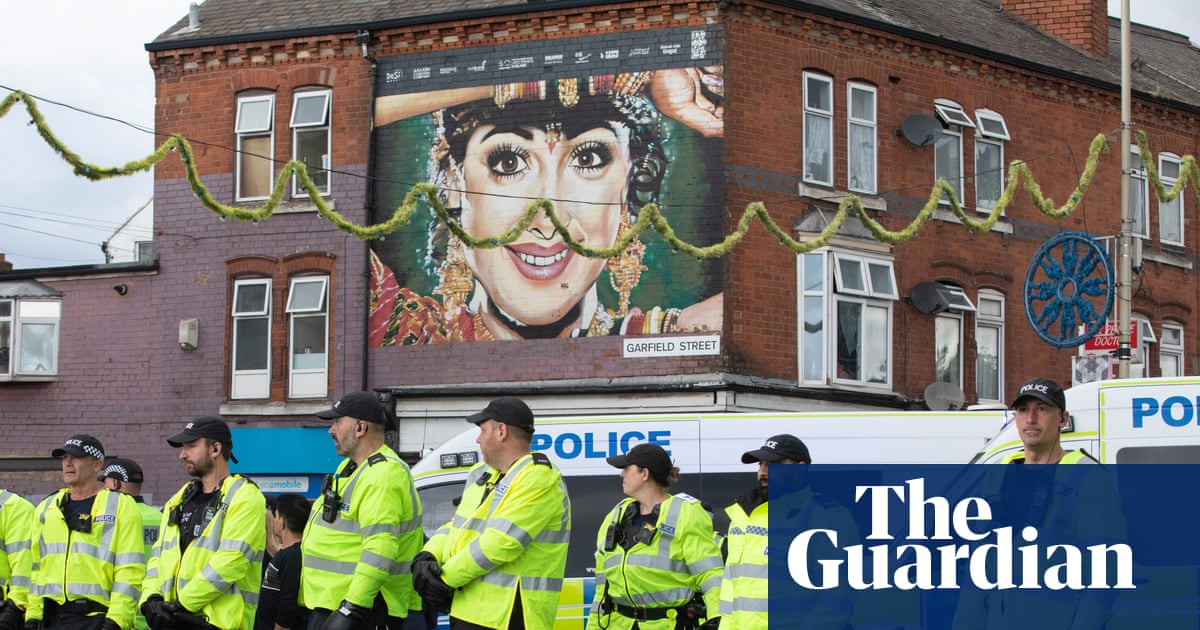
Leicester, long celebrated as a model of community cohesion in Britain, experienced unprecedented tensions that manifested in vandalism, attacks, and assaults on homes and businesses. The disturbances led to more than 50 people being charged with offenses related to the violence, according to police records.
The inquiry delivered a sharp rebuke to Leicester’s leadership, finding “no evidence of leadership” from the city council and its Labour mayor, Peter Soulsby, in managing tensions or providing adequate community support. Researchers noted that repeated attempts to involve the mayor in the investigation were declined. Soulsby has questioned the independence of the inquiry, stating he “didn’t get a convincing explanation” regarding who commissioned the research and how evidence was collected.
Leicestershire Police also faced criticism for “intelligence gaps, poor communication, inconsistent operational decisions and a lack of understanding of communal dynamics in south Asian communities,” though the report acknowledged several police actions that prevented more severe violence.
The inquiry, chaired by human rights expert and former UN special rapporteur Juan Méndez, identified online disinformation as a “central accelerant of the crisis” that fueled distrust between communities. Researchers noted no significant intercommunal meetings have occurred since 2022, allowing “polarising narratives to fill the vacuum” and contributing to “continued mistrust.”
According to the report, no single group bore sole responsibility for the unrest, with members of both Hindu and Muslim communities described as “both victims and perpetrators.” However, it noted that “Hindu nationalist and political Islamist actors actively sought to inflame division for political ends,” with Hindu nationalist groups possessing “greater resources” to influence events.
The chronology of violence began in May 2022 with what the report described as a “violent attack… by a group of Hindu youths on a young Muslim man.” Tensions escalated through the summer, including confrontations between India and Pakistan cricket supporters on August 15. September saw further incidents, including an egg attack on a Hindu household and a large march on September 17 by Hindu youths “from a ‘Hindu area’ (Belgrave) to a ‘Muslim area’ (Green Lane Road).”
Chetan Bhatt, an LSE sociology professor who contributed to the research, expressed alarm at the unprecedented polarization witnessed between Hindus and Muslims in the UK. “You have never had hundreds of Hindus or hundreds of Muslims mobilising to attack each other,” he noted.
The report points to deeper structural issues affecting Leicester, including changing migration patterns, economic decline, and the importation of divisive political ideologies such as communalism, Hindutva, and political Islamism. Researchers warned that communalism—intense loyalty to a religious or ethnic group often leading to sectarian conflict—remains a significant risk to community relations in Britain.
Following the 2022 unrest, then-communities secretary Michael Gove commissioned a separate government investigation chaired by Ian Austin. The government has stated it is reviewing that panel’s findings and recommendations.
In response to the academic report, Leicestershire Police acknowledged the “exceptionally complex set of challenges” officers faced during the unrest. Chief Superintendent Shane O’Neill emphasized ongoing engagement with communities, including inviting religious and community leaders to join patrols and helping counter misinformation.
The report’s recommendations include establishing a permanent community unity forum and providing specialized training for police officers on understanding communalism and sectarian dynamics—measures aimed at preventing future outbreaks of violence in a city still working to repair fractured community relations.
Fact Checker
Verify the accuracy of this article using The Disinformation Commission analysis and real-time sources.

17 Comments
The findings of this comprehensive inquiry are a wake-up call for local authorities and community leaders. Addressing the root causes of the Leicester clashes, including the impact of disinformation, should be a top priority to prevent future unrest.
It’s disheartening to see a historically diverse and integrated city like Leicester experience such unrest. This inquiry highlights the fragility of community harmony and the need for continuous efforts to promote mutual understanding and respect.
The lack of leadership from local authorities as identified in the inquiry is troubling. Responsible governance and active engagement with all communities are essential to maintain social cohesion and prevent the spread of harmful narratives.
Agreed. Effective communication and addressing disinformation proactively should be a priority for local officials to avoid such breakdowns in community relations.
The violence in Leicester is a concerning development, and the inquiry’s focus on the role of disinformation is a crucial aspect to understand. Policymakers should take heed and develop comprehensive strategies to counter the spread of false narratives.
Absolutely. Strengthening digital literacy and fact-checking initiatives, while also fostering open and inclusive dialogues within communities, will be essential in preventing similar incidents.
The comprehensive nature of this inquiry, with extensive interviews and witness consultations, lends credibility to its findings. Local authorities should take heed and implement the necessary reforms to prevent such breakdowns in the future.
Agreed. Transparent and accountable governance, along with effective communication strategies, will be critical in rebuilding trust and restoring harmony in Leicester.
The report’s sharp criticism of the lack of leadership from Leicester’s local authorities is concerning. Effective crisis management and community engagement should be a top priority for policymakers to address the underlying issues.
This inquiry provides valuable insights into the fragility of community relations and the need for proactive, evidence-based policymaking. Local authorities must learn from this experience and implement reforms to promote social cohesion.
The role of disinformation in fueling the Leicester clashes is a troubling revelation. This inquiry underscores the importance of building resilient, well-informed communities that can resist the spread of false narratives and maintain social harmony.
This inquiry provides valuable insights into the complex dynamics at play in the Leicester clashes. It underscores the importance of proactive community engagement and evidence-based policymaking to maintain social cohesion in diverse urban settings.
This inquiry serves as a sobering reminder of the potential consequences of unchecked disinformation and the importance of building resilient, inclusive communities. Lessons learned here should inform policy decisions in other diverse urban centers.
The role of online disinformation in amplifying tensions is a sobering reminder of the challenges posed by the digital age. Developing effective strategies to counter the spread of false narratives will be crucial to prevent similar incidents in the future.
Absolutely. Regulating online content and investing in digital literacy initiatives could help mitigate the impact of disinformation and protect vulnerable communities.
The findings of this inquiry highlight the complex interplay between online narratives, local dynamics, and community relations. Addressing such challenges requires a multifaceted approach involving all stakeholders.
This is a concerning report on the role of disinformation in fueling tensions and violence between Hindu and Muslim communities in Leicester. It highlights the critical need for strong local leadership and fact-based communication to prevent such incidents from escalating.