


Listen to the article
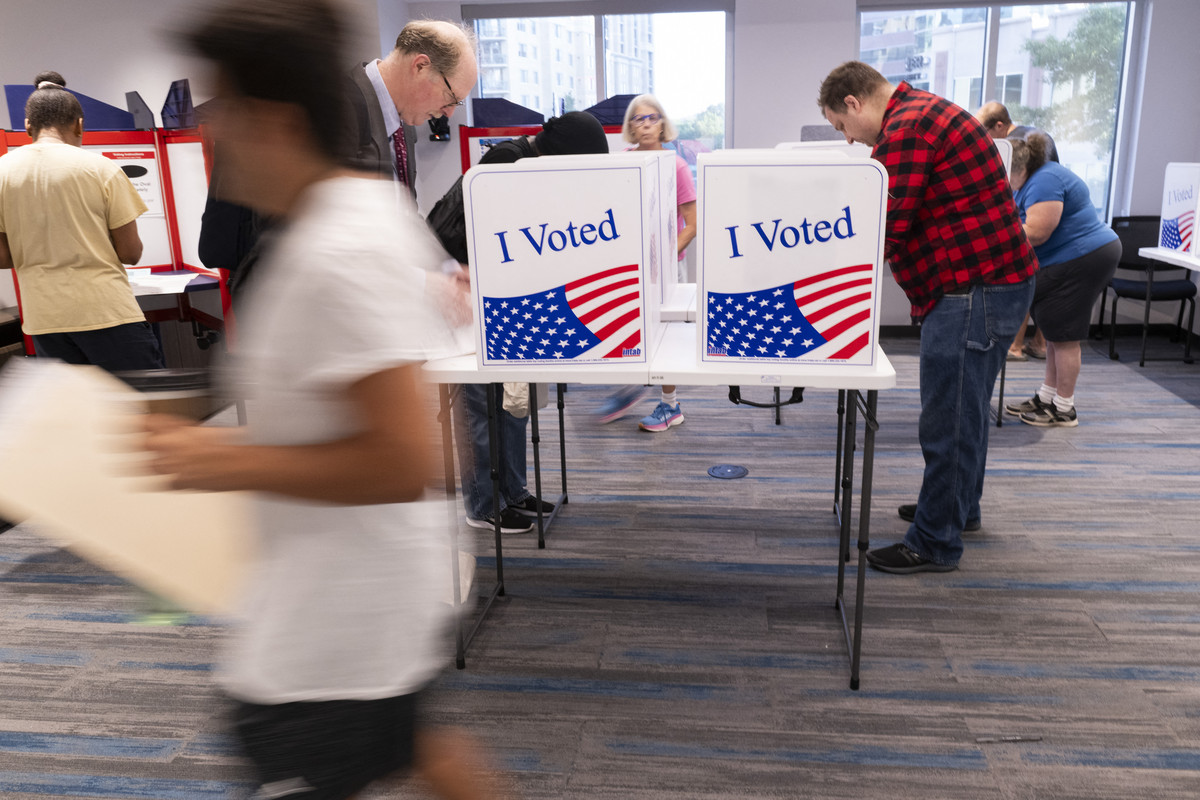
Federal officials have assured state election administrators that Immigration and Customs Enforcement (ICE) officers will not be stationed at polling places during the upcoming November elections, according to participants on a recent conference call.
The commitment came from Renée Honey, the designated federal officer for the Election Assistance Commission, during a virtual meeting with state election officials across the country. Despite this assurance, Democratic officials expressed lingering concerns about the Trump administration’s intentions regarding election oversight.
“I can’t depend on an election denier like that for the truth under any circumstances,” said Arizona Secretary of State Adrian Fontes, a Democrat who participated in the call. “They need to get better spokespeople who actually have some integrity.”
Fontes’ skepticism stems from Honey’s background as a denier of the 2020 election results, a position that has fueled distrust among Democratic officials already wary of the administration’s approach to election management.
The tension over potential ICE presence at polling locations reflects broader Democratic apprehensions that the federal government might attempt to intervene in the midterm elections. These concerns have been amplified by former President Trump’s own statements suggesting his administration “ought to nationalize the voting” process.
The virtual meeting brought together officials from four federal departments—the Election Assistance Commission, Department of Homeland Security, Justice Department, and Federal Bureau of Investigation—for what was described as a routine discussion of federal assistance ahead of the November elections.
However, participants characterized the call as lacking substantive information beyond the commitment regarding ICE officers. “I really don’t know exactly what the purpose of this call was other than window dressing,” Fontes remarked.
This latest interaction occurs against a backdrop of escalating friction between the Trump administration and Democratic state officials over election procedures. Of particular concern have been Justice Department requests for access to private voter rolls, which many state officials view as overreaching federal intrusion into state-managed election systems.
One participant, who requested anonymity, described the call as emblematic of “conflicting messages” emanating from the administration on election matters. “They want both to intimidate and control the states and to try to demonstrate business as usual, so they’re sending very conflicting messages to all of us about what they want their role to be in 2026,” the person said.
Another participant characterized the meeting as perfunctory, suggesting it was designed primarily to create the appearance of federal consultation with state officials. “It felt like kind of a cover your butt kind of call, so they have now checked the box that they have met with election officials from across the country,” this person observed.
The disagreement highlights the ongoing tension between federal and state authorities over election administration in a highly polarized political environment. State officials, particularly in states led by Democrats, remain vigilant about potential federal interventions they view as politically motivated rather than supportive of election integrity.
For voters, these behind-the-scenes conflicts could signal a potentially contentious election season, with questions about who has authority over polling places and voter eligibility potentially affecting public confidence in the electoral process.
The administration’s assurance about ICE officers, while welcomed by state officials, has done little to alleviate broader concerns about federal involvement in what has traditionally been a state-managed process. As November approaches, the relationship between federal and state election authorities will likely remain under close scrutiny from officials on both sides of the political divide.
Fact Checker
Verify the accuracy of this article using The Disinformation Commission analysis and real-time sources.

11 Comments
This is a complex and sensitive issue that requires nuance and good-faith efforts from all sides. While the DHS assurances are welcome, the lingering doubts highlight the need for consistent, unambiguous actions to safeguard the electoral process and build trust with all stakeholders.
It’s good to see federal officials taking steps to address concerns about potential voter intimidation. However, the skepticism from some state leaders is understandable given the charged political climate. Maintaining impartiality and transparency will be crucial in the lead-up to the elections.
Glad to hear that federal officials have assured election administrators that ICE won’t be stationed at polling places. Maintaining the integrity of elections is critical for democracy, and voters should feel safe casting their ballots without interference.
Absolutely. The commitment from the DHS official is an important step, but I share the skepticism of officials like Arizona’s Secretary of State. Trust needs to be earned through consistent, transparent actions.
This is an important issue that deserves close scrutiny. While the assurances from the DHS official are welcome, I can understand the lingering concerns expressed by Democratic leaders. Voter confidence is paramount, and any hint of voter intimidation must be firmly addressed.
Agreed. The administration’s past rhetoric and actions around elections have fueled distrust, so they’ll need to demonstrate genuine, sustained commitment to protecting the electoral process and the rights of all voters.
The commitment from the DHS official to keep ICE away from polling places is an important step, but the concerns expressed by Democratic leaders are valid. Restoring faith in the integrity of elections should be a top priority, and any hint of voter intimidation must be swiftly and decisively addressed.
Agreed. Transparency and accountability will be crucial in the lead-up to the elections. Voters need to feel secure in exercising their fundamental democratic rights.
This is a critical issue that deserves close attention. While the DHS assurances are a positive development, the skepticism from state officials underscores the need for the administration to demonstrate a genuine, sustained commitment to protecting the electoral process and the voting rights of all citizens.
It’s encouraging to see federal officials taking steps to address concerns about potential voter intimidation. However, the lingering doubts expressed by state leaders highlight the importance of consistent, impartial actions to build trust and safeguard the integrity of elections.
Absolutely. Voter confidence is paramount, and any hint of interference or partisan bias must be swiftly and transparently addressed. The administration has its work cut out to restore faith in the electoral process.