


Listen to the article
In a dramatic start to his second term, President Donald Trump has unleashed a wave of executive orders that signal a sharp departure from previous administration policies. Within hours of taking office, Trump targeted diversity programs in business and education, slashed prescription drug costs, reversed green energy initiatives in favor of fossil fuels, and initiated territorial claims on Greenland and Venezuela.
International reaction intensified following Trump’s presidential memorandum of January 7, 2026, which formally announced the United States’ withdrawal from multiple international organizations, conventions, and treaties deemed contrary to U.S. interests. The move has drawn increasingly harsh criticism from global leaders and analysts.
The developments come amid growing concerns about democratic backsliding worldwide. Harvard professors Steven Levitsky and Daniel Ziblatt’s influential work “How Democracies Die” and Barbara McQuade’s “Attack from Within: How Disinformation is Sabotaging America” have previously warned that modern democracies rarely collapse through violent coups but rather through gradual erosion of democratic norms in what amounts to “silent coups.”
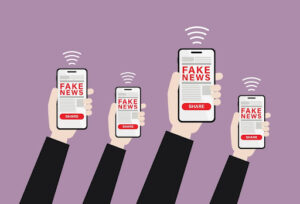
Digital technology has accelerated these challenges. The proliferation of disinformation has worsened with the emergence of generative artificial intelligence tools like ChatGPT, which allow users without technical backgrounds to create convincing fake images, videos, audio, and stories. These developments pose significant threats to information integrity and democratic discourse.
“Finding a balance between the benefits of connectivity and technological progress on the one hand, and the need to safeguard individual well-being and privacy on the other, will remain a crucial challenge for the future,” notes Jan Servaes, former UNESCO Chair in Communication for Sustainable Social Change.
European responses to these challenges have been inconsistent. Despite years of advocacy from organizations like Oxfam, the EU lacks harmonized policies to address wealth concentration and tax evasion by the ultra-wealthy. Proposals for an EU-wide wealth tax and transparency mechanisms such as a wealth register have gained little traction despite their potential to fund social programs, climate initiatives, and development.
The relationship between democracy and globalization continues to divide experts. Some argue that unrestricted international transactions promote political accountability, while others contend that democracies are more likely to have closed markets due to the influence of special interest groups.
The digital landscape is growing increasingly fragmented. Countries are establishing their own rules for platforms, determining permitted digital services, and erecting “digital walls” that transform the once-open internet into isolated networks under government control. This shift from global connectivity to “technological sovereignty” reflects the growing recognition that technological innovation equals power in today’s geopolitical environment.
The Carnegie Endowment for International Peace has addressed these changes in its recent collection “Digital Democracy in a Divided Global Landscape.” The essays examine how local actors navigate the new technological environment, the evolution of digital repression techniques, national strategies for digital sovereignty, and pressing issues in technology policy and regulation.
These analyses highlight the multifaceted challenges that new technologies pose to democratic systems globally and aim to connect local and regional insights with international discussions.
Beyond diagnosing the problems, some thinkers are exploring solutions. Nathan Gardels and Nicolas Berggruen of the Berggruen Institute offer practical approaches in their book “Renovating Democracy.” They address three major challenges: the transformative impact of social media on democratic governance, the effects of digital capitalism on work and social equality, and China’s challenge to a polarized West.
“If the price of political freedom is division and polarization, it comes with high opportunity costs,” the authors warn, noting that while Western democracies remain mired in internal conflict, China is strategically positioning itself to lead in artificial intelligence, climate action, and global trade through initiatives like the modern Silk Road.
Gardels and Berggruen propose three strategies for democratic renewal: integrating social networks and direct democracy into representative systems through new mediating institutions; revising the social contract to protect workers rather than jobs while distributing the wealth of digital capitalism more equitably through “universal basic capital”; and embracing “positive nationalism” that balances inclusive values with clear borders and industrial policies that offset the disruptions of global markets.
As digital technologies continue to reshape societies, the path forward requires neither blind optimism nor fatalistic pessimism, but rather deliberate efforts to align technologies with democratic values and human rights principles. The future of democracy depends on creating digital systems that reflect aspirations for just, inclusive, and participatory societies—a challenge that has only grown more urgent in the wake of recent political developments.
Fact Checker
Verify the accuracy of this article using The Disinformation Commission analysis and real-time sources.

12 Comments
The withdrawal from international agreements is a worrying development. I’m curious to learn more about the specific reasons and implications. Maintaining global cooperation seems vital for addressing shared challenges.
That’s a good point. Unilateral actions that undermine multilateral frameworks could have far-reaching consequences, both domestically and internationally.
This is deeply concerning. We need to be vigilant against disinformation and democratic backsliding. I hope our leaders can work to uphold democratic norms and institutions during these challenging times.
Agreed, the erosion of democratic norms is a serious issue that requires urgent attention. Strengthening transparency and media literacy will be crucial.
This highlights the importance of robust democratic institutions and processes. Combating disinformation and protecting freedom of speech and the press will be critical in the years ahead.
Absolutely. Strengthening democratic resilience should be a top priority for policymakers and civil society.
The article highlights the complex interplay between digital technology, disinformation, and democratic processes. I’m curious to learn more about the specific policy proposals and stakeholder perspectives on this issue.
That’s a great point. Understanding the nuances and tradeoffs involved in addressing these challenges will be crucial for finding effective solutions.
I’m concerned about the potential impacts on the mining and energy sectors, given the policy shifts described. Regulatory uncertainty and geopolitical tensions could create challenges for businesses and investors.
That’s a good point. The mining and energy industries will need to closely monitor these developments and adapt their strategies accordingly.
While the article focuses on broader political issues, the implications for the mining and commodities sectors are worth considering. Navigating this shifting landscape will require agility and foresight from industry leaders.
Agreed. Companies in the mining and energy sectors should closely follow policy changes and geopolitical dynamics to identify risks and opportunities.