


Listen to the article
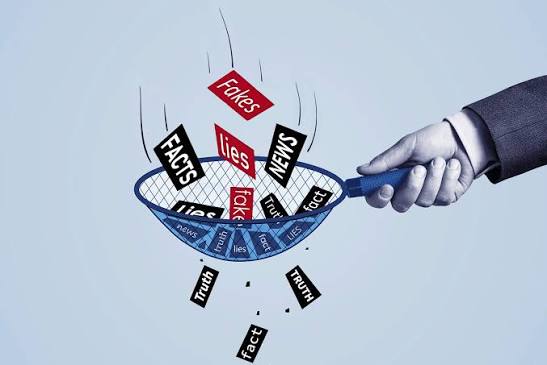
India’s democratic fabric faces an unprecedented threat as the line between disinformation and misinformation continues to blur in the country’s increasingly polarized political landscape. The distinction, while subtle, carries significant implications for the health of the world’s largest democracy.
Disinformation represents a deliberate effort to deceive, while misinformation stems from confusion or misunderstanding. As political scientist Toba Beta aptly noted, “Disinformation is duping. Misinformation is tricking.” This distinction has become increasingly relevant in India’s complex information ecosystem, where social media platforms have transformed how citizens consume news and form political opinions.
Recent electoral cycles have witnessed a dramatic surge in false narratives circulating across WhatsApp, Facebook, and Twitter. Political strategists have weaponized these platforms, creating sophisticated campaigns designed to influence voter behavior through emotional manipulation rather than factual engagement. The consequences extend beyond individual voting decisions, potentially undermining trust in democratic institutions themselves.
The problem is exacerbated by India’s diverse linguistic landscape. False information often circulates in regional languages, creating verification challenges for fact-checkers primarily operating in English. This linguistic divide enables misinformation to spread unchecked in rural and semi-urban areas, where digital literacy rates remain comparatively low.
Media experts have identified several concerning trends. First, the speed of information dissemination has accelerated dramatically, giving false narratives the ability to reach millions before verification processes can begin. Second, emotional content consistently outperforms factual information in terms of engagement and sharing. Third, the personalization algorithms of major platforms create echo chambers that reinforce existing beliefs rather than challenging them.
The Election Commission of India has attempted to address these issues through various initiatives, including partnerships with social media companies and the establishment of dedicated fact-checking units. However, these efforts face significant challenges given the volume of content generated during election periods and the sophisticated nature of modern disinformation campaigns.
Civil society organizations across India have established independent fact-checking networks, but these initiatives struggle with resource constraints and the sheer scale of the problem. Meanwhile, digital literacy programs aim to equip citizens with the critical thinking skills necessary to evaluate online information, though their reach remains limited in a country of 1.4 billion people.
Political parties across the spectrum have publicly condemned misinformation while simultaneously benefiting from narratives that support their agendas. This contradictory approach reflects the complex incentive structures that perpetuate the problem.
The phenomenon transcends political boundaries. Both ruling and opposition parties have been implicated in spreading misleading content, suggesting the problem is systemic rather than partisan. Media analysts note that the monetization of attention has created perverse incentives that reward sensationalism over accuracy.
International observers have expressed concern about these trends. A recent report from the Reuters Institute highlighted India as particularly vulnerable to information manipulation due to its high social media usage, relatively new digital adopters, and complex social divisions that can be exploited by bad actors.
Looking forward, experts suggest several potential approaches to addressing the challenge. These include algorithmic transparency requirements for social media platforms, enhanced penalties for those who deliberately spread false information, and expanded digital literacy programs targeting vulnerable communities.
The stakes could not be higher. As India approaches future electoral cycles, the integrity of its information ecosystem will play a crucial role in determining whether its democratic traditions can withstand the pressures of the digital age.
“When citizens cannot distinguish between fact and fiction, the very foundation of informed democratic choice erodes,” noted prominent political commentator Ramachandra Guha in a recent analysis. “The challenge before us is not merely technological, but fundamentally about preserving the conditions that make democratic deliberation possible.”
As stakeholders across Indian society grapple with these issues, one thing remains clear: the future health of Indian democracy may well depend on its ability to cultivate a shared information environment grounded in verifiable facts rather than manipulative narratives.
Fact Checker
Verify the accuracy of this article using The Disinformation Commission analysis and real-time sources.

7 Comments
The blurring of lines between disinformation and misinformation is a complex challenge. Addressing it requires a multi-pronged approach targeting both malicious actors and underlying drivers of confusion. Strengthening democratic norms and civic education can help build societal resilience.
You raise a good point. Empowering citizens to critically assess information sources and claims is key. Investing in digital literacy programs could help mitigate the spread of falsehoods across social media platforms.
The mining and energy sectors are particularly vulnerable to the spread of disinformation, given their high-stakes, politically charged nature. Combating this threat will require coordinated efforts by policymakers, media, and industry players to uphold transparency and accountability.
Disinformation in the mining and commodities space is worrying. Unfounded claims about environmental impacts, supply chains, or pricing can distort market perceptions and undermine investor confidence. Robust industry-led initiatives to counter misinformation could help restore trust.
Agreed. Proactive communication and fact-based advocacy by companies and industry associations could go a long way in addressing misconceptions. Cultivating constructive dialogues with local communities is also crucial.
This is a troubling trend that undermines the foundations of India’s democracy. Disinformation campaigns leveraging social media can sow deep divisions and erode public trust in institutions. Fact-checking and media literacy initiatives are critical to combat this threat.
This issue has important implications for the mining and energy sectors as well. Misinformation around projects, regulations, and market trends can sway public opinion and skew policy decisions. Transparent, fact-based dialogue is essential for maintaining a healthy investment climate.