


Listen to the article
The specter of AI-generated deepfakes looms over Ghana’s democracy as the nation prepares for upcoming elections. Political analysts warn that artificial intelligence has created unprecedented challenges for the West African nation, long considered one of the continent’s most stable democracies.
Digital manipulation technologies now allow for the creation of highly convincing fake videos, audio clips and images that can rapidly spread misinformation before fact-checkers can respond. These deepfakes, created using advanced machine learning models such as Generative Adversarial Networks, can mimic human voices and expressions with remarkable accuracy.
The global precedents are concerning. In the United States, a deepfake audio of President Joe Biden circulated before the 2024 primaries, prompting federal regulators to ban AI-generated voices in robocalls. Similar incidents in India, Nigeria, and Slovakia have demonstrated how artificial intelligence can be weaponized to influence elections and undermine public confidence.
Ghana’s vulnerability stems partly from its digital landscape. Millions of citizens rely on platforms like WhatsApp and Facebook for political information, creating fertile ground for the rapid dissemination of misleading content. The 2020 elections already revealed this vulnerability when a doctored video falsely portrayed an opposition leader making ethnic slurs, inflaming tensions in an already polarized environment.
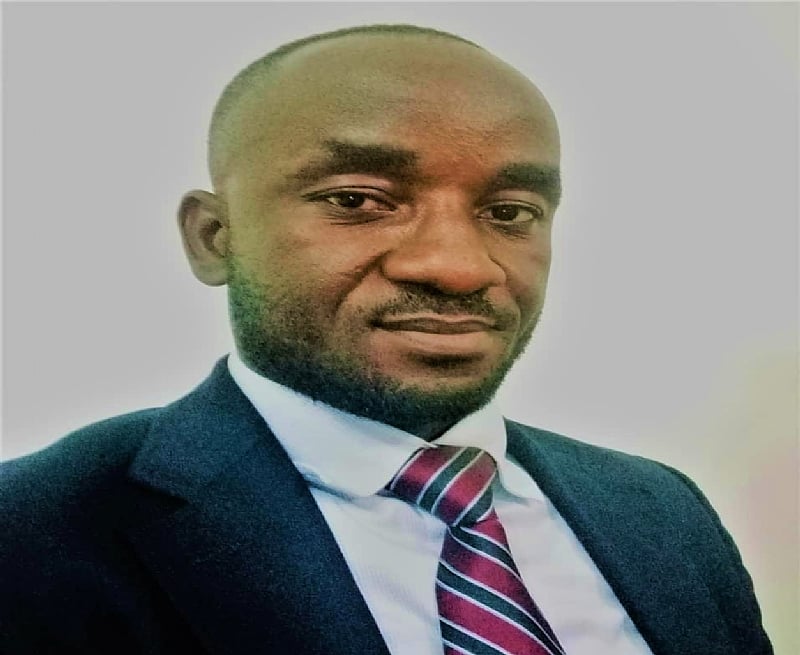
“The question is no longer whether deepfakes will appear in Ghanaian politics, but how prepared we are to protect our democracy from their influence,” said Ebenezer Nana Yaw Obimpeh-Nipamua, a Ghanaian bioethicist researching the governance of emerging technologies.
Ghana’s Electoral Commission faces particular challenges. During the 2020 voter registration exercise, viral WhatsApp messages falsely claimed the EC was secretly deleting opposition supporters from the register. Today’s AI technology could reinforce such claims with convincing forgeries of press releases or manipulated videos, potentially undermining the very institutions that safeguard Ghana’s democratic processes.
Media organizations, though largely professional, increasingly struggle to verify digital content as deepfakes become more sophisticated. A 2023 UNESCO report warned that AI-generated content could “overwhelm local fact-checking capacity,” leading even reputable outlets to inadvertently amplify falsehoods.
Despite these challenges, Ghana possesses significant resources to combat the threat. The country’s strong civil society, established electoral institutions, and growing digital awareness provide foundations for resilience against AI-driven misinformation.
Experts suggest several countermeasures. The Electoral Commission could establish an AI and Disinformation Monitoring Unit during election periods to detect viral falsehoods and issue timely corrections. The National Communications Authority might enforce digital communication standards similar to those implemented in India, where the Election Commission partnered with Meta to remove fake election content.
Political parties themselves could play a crucial role by committing to a Digital Ethics Accord, rejecting the use of AI-generated media in campaigns. Support for fact-checking organizations like Dubawa Ghana and GhanaFact would strengthen verification capabilities, while media literacy campaigns could help citizens identify manipulated content.
“The most sustainable defense against AI-driven disinformation lies in strengthening digital literacy,” noted Obimpeh-Nipamua. “Campaigns using radio, community forums and influencers can teach citizens to identify and report deepfakes.”
Collaboration with global technology platforms represents another crucial approach. Ghanaian regulators could strengthen partnerships with companies like Google, TikTok and Meta to implement real-time detection of false content and ensure local moderation teams understand Ghana’s specific political context.
Policy recommendations include developing clear guidelines on AI use in political campaigns, strengthening cybercrime frameworks, supporting civic tech organizations, and investing in voter education. The Data Protection Act and Cybersecurity Act could be updated to include provisions specifically addressing AI-driven disinformation.
As Ghana moves toward another electoral cycle, stakeholders across government, civil society, and media face a critical challenge: harnessing AI’s potential benefits while preventing its misuse. With proper safeguards, artificial intelligence could enhance transparency and civic participation rather than undermining Ghana’s hard-won democratic gains.
The response to this emerging threat will likely determine whether technology strengthens or weakens one of Africa’s most respected democracies in the years ahead.
Fact Checker
Verify the accuracy of this article using The Disinformation Commission analysis and real-time sources.
