


Listen to the article
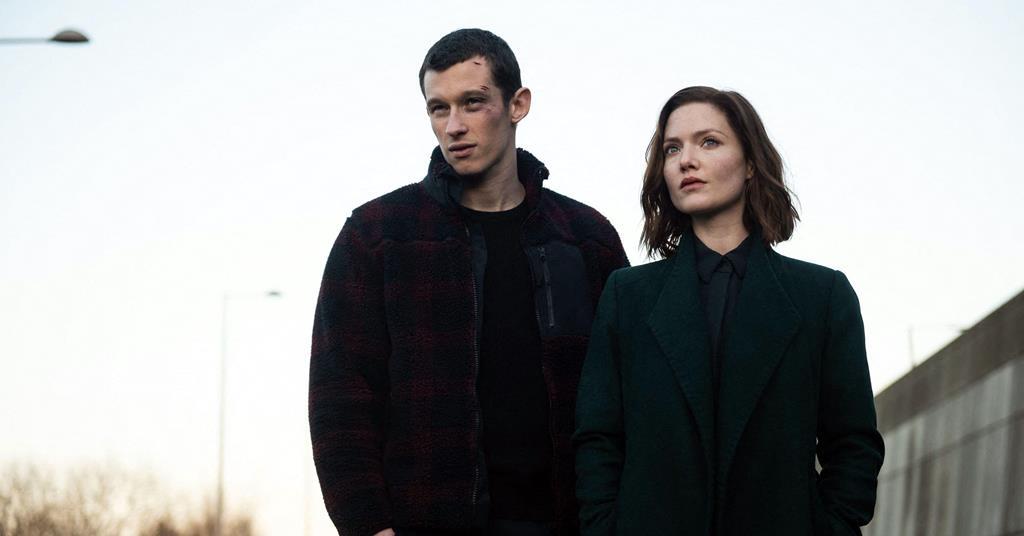
In an era of digital deception, BBC’s ‘The Capture’ returns with unsettling relevance as deepfakes dominate headlines and public discourse. The conspiracy thriller’s third season, once dismissed as “the most preposterous series” on television, now feels eerily prophetic in its portrayal of advanced surveillance technology and widespread disinformation.
The season opens with journalist Khadija Khan in the BBC news studio posing what has become the defining question of our time to Acting Commander Rachel Carey: “How do we begin to sort fact from fiction?” This question resonates particularly with Generation Z, who have grown up as digital natives navigating an overwhelming sea of information.
Young people today approach online content with inherent skepticism, quickly questioning facts, identifying bias, and creating personal “playlists of truth” from diverse, often contradictory sources. This generation’s deep-seated distrust of digital information has fostered a cynicism that challenges the very concept of absolute truth. For many viewers, the appeal of “The Capture” lies in its portrayal of disinformation being uncovered and the reassuring notion that truth can ultimately prevail in a manipulated landscape.
The threat of synthetic media extends beyond entertainment into religious spheres. Recent incidents have demonstrated this vulnerability, including deepfake videos of the newly elected Pope Leo XIV circulating online and synthetic media being used to impersonate pastors in financial scams targeting congregations. These developments present a particular challenge to religious communities whose foundations rest upon claims of absolute truth.
For Christian viewers, the series may resonate in unexpected ways. The show’s themes of truth verification against technological manipulation parallel theological concepts about discernment and faith. The growing erosion of trust in public institutions and the flood of misinformation challenge religious communities to articulate their understanding of truth in a society increasingly skeptical of absolute claims.
Religious commentators note that the concept of incarnation—a divine being physically present in the world—stands in stark contrast to the disembodied, synthetic nature of deepfakes. The gospel accounts emphasize physical interactions, such as Jesus touching and healing people, eating with disciples after resurrection, and experiencing physical suffering—all tangible experiences that couldn’t be replicated by technology.
Media analysts observe that “The Capture” appeals across demographic and ideological lines precisely because it addresses universal concerns about determining what is real in an increasingly sophisticated technological landscape. The show’s popularity reflects a collective anxiety about our vulnerability to manipulation through the very technologies we’ve embraced.
The series arrives amid increasing public concern about AI-generated content. Recent studies indicate that nearly 70 percent of adults worry about their inability to distinguish between authentic and AI-generated content, with this anxiety particularly pronounced among older generations less familiar with digital technologies.
Tech industry experts note that the tools for creating convincing deepfakes have become increasingly accessible, no longer requiring specialized knowledge or expensive equipment. This democratization of synthetic media technology has accelerated the spread of deceptive content across social platforms.
As “The Capture” continues to explore these themes, it serves as both entertainment and a cautionary tale about our digital future. The show’s evolution from speculative fiction to documentary-like relevance underscores how quickly technology has advanced and how our cultural conversation struggles to keep pace with ethical questions about truth, evidence, and reality in the digital age.
For viewers across the spectrum, the series offers a compelling narrative about the human desire for certainty in an increasingly uncertain information landscape—a theme that resonates regardless of one’s technological expertise or philosophical outlook.
Fact Checker
Verify the accuracy of this article using The Disinformation Commission analysis and real-time sources.

11 Comments
The Capture sounds like a must-watch for anyone interested in the intersection of technology, media, and truth. I’ll be tuning in to see how the show navigates this complex and unsettling topic.
Fascinating look at how deepfakes and disinformation are shaping our perception of reality. It’s so important for young people to be critical consumers of digital content and not simply accept everything at face value.
The Capture sounds like a chilling but relevant show in our ‘post-truth’ era. Fact-checking and verifying sources are crucial skills, especially as deepfakes become more sophisticated. I’m curious to see how the show tackles this challenge.
As someone working in the mining and energy sectors, I’m very interested in how digital deception could impact the flow of reliable information in our industries. Shows like The Capture help shine a light on these emerging challenges.
Absolutely. Maintaining trust and transparency in the face of deepfakes and disinformation will be critical for players in the mining and energy spaces.
As someone working in the mining and commodities space, I’m very interested in how digital deception could impact our industry. Reliable information is key, so I’m glad to see shows like The Capture bringing more awareness to this issue.
As a Gen Z digital native, I really identify with the show’s portrayal of the inherent skepticism young people have towards online content. Curating our own ‘playlists of truth’ is an essential survival skill these days.
Absolutely. Building that critical thinking muscle early on is so important as digital deception becomes more prevalent and sophisticated.
The Capture’s exploration of the blurring lines between truth and fiction is a timely and unsettling reflection of our modern media landscape. It’ll be fascinating to see how the show grapples with the real-world implications of advanced surveillance and disinformation.
Agreed, the show’s premise is a sobering reminder of the very real challenges we face in discerning truth from fiction in the digital age.
Fascinating to see how a show like The Capture, once dismissed as unrealistic, is now startlingly relevant in our ‘post-truth’ era dominated by deepfakes and disinformation. A timely exploration of a very real and troubling phenomenon.