


Listen to the article
Cuba Suspends Jet Fuel Supplies Amid Deepening Energy Crisis
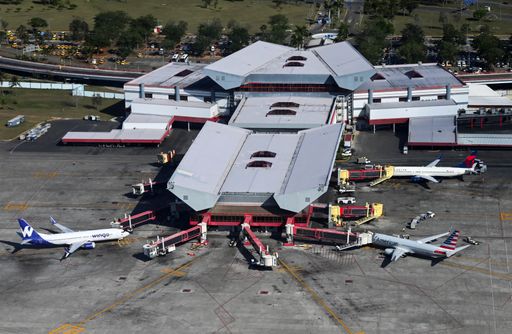
Cuba has notified international airlines that it will suspend jet fuel supplies for one month beginning Tuesday, according to an official from a European carrier who spoke anonymously to AFP. The unprecedented move comes as the island nation grapples with a severe energy crisis that has been exacerbated by recent U.S. actions against Venezuela, Cuba’s primary oil supplier.
The suspension means aircraft operating long-haul flights from Cuban airports will need to make additional refueling stops after departing the island. Air France has already confirmed it will implement Caribbean refueling stops for its Cuba routes to maintain operations.
The energy shortage stems from the United States’ recent intervention in Venezuela, which has effectively halted crucial oil shipments to Cuba. Venezuela has long been Cuba’s most important energy partner, providing subsidized oil that has helped sustain the island’s economy despite decades of U.S. sanctions.
On Friday, the Cuban government announced a series of emergency measures to address the worsening situation. State-owned companies will shift to a four-day work week, fuel sales will face new restrictions, and public transportation services between provinces will be significantly reduced. Officials also confirmed the closure of certain tourist establishments, a concerning development for a country heavily dependent on tourism revenue.
The crisis is affecting daily life across all sectors. Education officials have announced shortened school days and universities will relax requirements for in-person attendance. These adaptations reflect the government’s attempt to reduce energy consumption while maintaining essential services.
The timing is particularly challenging as Cuba was already struggling with one of its worst economic crises in decades. The island has experienced persistent power outages, with some areas reporting extended periods without electricity. Local residents have described neighborhoods plunged into complete darkness during evening hours.
Cuba’s energy infrastructure has suffered from decades of underinvestment and limited access to modern technology due to longstanding U.S. trade restrictions. The country’s aging power plants frequently break down, and maintenance efforts are hampered by difficulties obtaining replacement parts.
The aviation fuel suspension represents a significant escalation of the crisis, potentially impacting international connectivity and tourism. Airlines serving Cuba will now face increased operational costs and logistical challenges. Industry analysts suggest these additional refueling stops will increase fuel consumption and flight times, potentially making Cuba a less attractive destination for both airlines and tourists.
For Cuba’s struggling economy, the energy crisis threatens to undermine recent efforts to attract more international visitors. Tourism has been a vital source of foreign currency for the island nation, especially following the devastation of the COVID-19 pandemic on the sector.
Energy experts note that Cuba’s dependence on Venezuelan oil has left it particularly vulnerable to geopolitical disruptions. While Cuba has sought alternative suppliers in recent years, including Russia and Mexico, these arrangements have not fully compensated for Venezuelan shipments.
International organizations monitoring the situation have expressed concern about the humanitarian impact of prolonged energy shortages, particularly regarding healthcare facilities and food security. As the crisis deepens, questions remain about how long these emergency measures will remain in effect and whether they will be sufficient to manage the shortage.
Cuban officials have not publicly indicated when normal fuel supplies might resume or detailed their strategy for addressing the energy deficit in the longer term.
Fact Checker
Verify the accuracy of this article using The Disinformation Commission analysis and real-time sources.

10 Comments
The suspension of jet fuel supplies in Cuba is a worrying sign of the island’s deepening energy crisis. This is likely to have significant consequences for the country’s economy and its ability to maintain international connections.
You’re right, this will put a strain on Cuba’s already struggling economy. I hope the government is able to find alternative energy sources or negotiate a solution with the US to ease the sanctions pressure and restore fuel supplies.
The energy crisis in Cuba is quite worrying. This move to suspend jet fuel supplies will surely disrupt air travel and tourism, which are crucial to the island’s economy. I hope Cuba can find a way to stabilize its energy situation soon.
You’re right, the impact on tourism could be significant. I’m curious to see if this leads Cuba to explore renewable energy sources or other alternatives to address its energy challenges.
This suspension of refueling services highlights the fragility of Cuba’s energy infrastructure and its reliance on Venezuela. The US sanctions against Venezuela are clearly having a significant impact on Cuba’s economy and operations.
It’s a complex geopolitical situation, with the US sanctions against Venezuela affecting Cuba’s ability to maintain normal operations. I wonder if this will spur Cuba to seek out new energy partnerships.
Interesting development with Cuba suspending jet fuel supplies. Curious to see how airlines will adapt to this disruption and if it leads to any ripple effects on travel and tourism to the island.
The energy crisis in Cuba is certainly concerning, especially given the sanctions pressure from the US. Hopefully the island can find alternative fuel sources to maintain operations.
This is a concerning development, as it could have ripple effects on the global aviation industry. I wonder how airlines will adapt their operations to account for the lack of refueling options in Cuba.
Absolutely, the disruption to air travel could be substantial. It will be interesting to see if this leads to any changes in Cuba’s relationships with other countries or international organizations to try and alleviate the energy crisis.