


Listen to the article
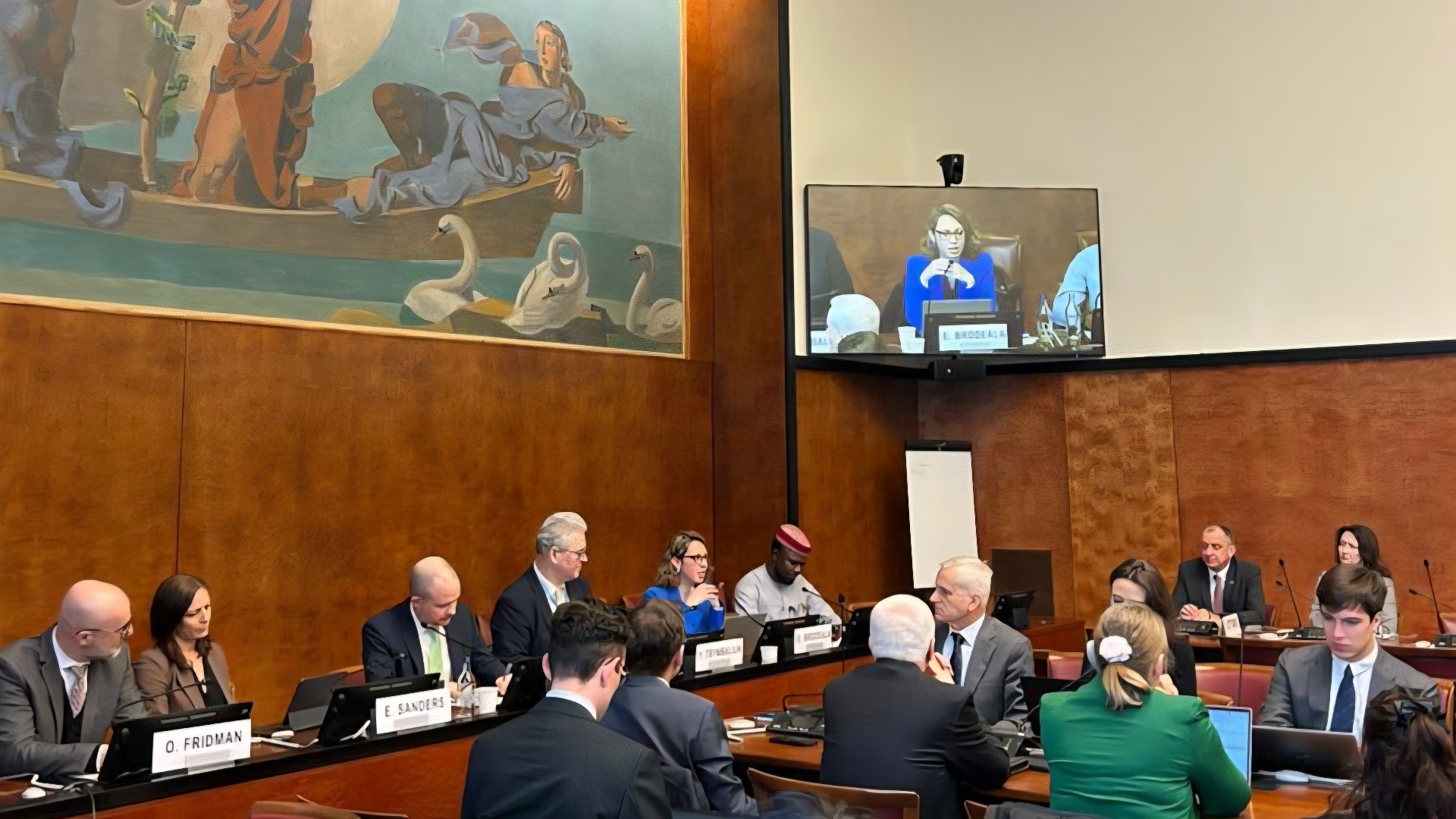
The Council of Europe joined international discussions on combating disinformation at a side event during the 61st session of the United Nations Human Rights Council in Geneva on March 10, 2026. The event highlighted growing concerns about information manipulation as a threat to democratic institutions worldwide.
Titled “Disinformation as a Tool of Hybrid Warfare: Impacts on Human Rights and Democratic Processes,” the gathering brought together representatives from multiple nations at the Palais des Nations. The event was jointly organized by the Permanent Missions of Japan, Latvia, Lithuania, Poland, Ukraine, and the United Kingdom – countries that have faced various forms of information manipulation campaigns in recent years.
Elena Brodeala, Legal Advisor in the Council of Europe’s Freedom of Expression and CDMSI Division, represented the organization at the forum. During her address, Brodeala emphasized the critical importance of media freedom and pluralism as essential safeguards against the growing threat of information manipulation campaigns.
“In today’s complex information environment, the foundations of our democratic societies are increasingly under threat from sophisticated disinformation operations,” Brodeala noted. She highlighted the Council’s stance that robust national media and information literacy strategies represent a crucial line of defense for democratic societies.
The Geneva discussions come at a time when concerns about state-sponsored disinformation campaigns have intensified globally. Recent years have seen numerous documented cases of foreign actors attempting to influence democratic processes through coordinated information manipulation efforts across multiple countries.
The focus on disinformation as a form of “hybrid warfare” reflects a growing recognition among security experts that information operations now constitute a significant component of geopolitical conflict. Unlike traditional warfare, these campaigns operate in a gray zone that makes attribution and response particularly challenging for targeted nations.
Eastern European participants, particularly representatives from Baltic states and Ukraine, shared experiences from their regions, where Russian information operations have been extensively documented over the past decade. These operations have ranged from election interference to campaigns designed to undermine social cohesion and trust in democratic institutions.
The United Kingdom’s delegation presented findings from recent investigations into foreign interference in British political processes, while Japan’s representatives discussed the unique challenges faced in the Asia-Pacific region, where information manipulation campaigns have taken different forms.
Experts at the event emphasized that effective countermeasures require coordinated international responses combined with domestic resilience-building. These include regulatory frameworks that respect freedom of expression while addressing harmful content, support for independent journalism, and enhanced digital literacy programs.
The Council of Europe has been increasingly active in addressing disinformation challenges through multiple initiatives. Its Committee of experts on media environment and reform has developed guidelines for member states on strengthening media literacy and critical thinking skills among citizens of all ages.
Media literacy strategies discussed at the event included educational programs for schools, public awareness campaigns, and tools to help citizens identify misleading information. Participants agreed that such efforts must be complemented by measures to ensure the sustainability of quality journalism, which serves as a crucial counterweight to disinformation.
The Geneva discussions also explored the delicate balance between combating harmful disinformation and protecting freedom of expression. Participants acknowledged the risks of overly broad regulations that might inadvertently restrict legitimate speech or give governments tools to silence critics.
As the international community continues to grapple with evolving information threats, forums like this United Nations side event represent important opportunities for nations to share best practices and develop coordinated responses. The participation of the Council of Europe underscores the organization’s commitment to protecting human rights in the digital age while building societal resilience against information manipulation.
The discussions are expected to inform upcoming policy initiatives at both national and international levels as democracies worldwide seek effective strategies to protect information ecosystems while preserving fundamental freedoms.
Fact Checker
Verify the accuracy of this article using The Disinformation Commission analysis and real-time sources.

8 Comments
Disinformation as a tool of hybrid warfare is a concerning trend that requires a comprehensive, multi-stakeholder response. The Council of Europe’s focus on media freedom and pluralism as a bulwark against manipulation is a step in the right direction.
The Council of Europe’s participation in this UN discussion is a positive step. Resilience-building through media literacy and critical thinking is essential to combat the growing threat of sophisticated disinformation campaigns. Looking forward to seeing the outcomes of this event.
Glad to see the Council of Europe engaging with the international community on this important issue. Combating disinformation is crucial for protecting democratic institutions and human rights. Looking forward to seeing the proposed solutions and strategies emerge from this event.
As the article highlights, information manipulation campaigns pose a serious threat to democratic processes worldwide. I’m glad to see the Council of Europe taking a proactive stance on this issue and advocating for robust solutions.
Interesting to see the Council of Europe highlighting the importance of resilience-building to combat disinformation. Maintaining media freedom and pluralism is crucial to safeguarding democratic institutions. Curious to learn more about the specific strategies discussed at the event.
Combating disinformation is a complex challenge, but focusing on building societal resilience is a wise approach. Strengthening media literacy and critical thinking skills can empower citizens to navigate the modern information landscape more effectively.
Agreed. Empowering citizens to think critically about the information they consume is key to building resilience against manipulation tactics.
Disinformation can have significant impacts on human rights and democratic institutions. The emphasis on media freedom and pluralism as a safeguard is well-founded. Curious to see what other strategies were discussed at the UN event.