


Listen to the article
In a significant move to address online harassment targeting politically active women, the Friedrich Naumann Foundation for Freedom (FNF) will release a comprehensive series of studies examining gendered disinformation across Mexico, Lebanon, and the Philippines on International Women’s Day 2026.
The initiative builds upon the foundation’s previous policy papers focused on Czechia and Slovakia, creating a broader international analysis of how digital intimidation tactics are used to silence women in public life.
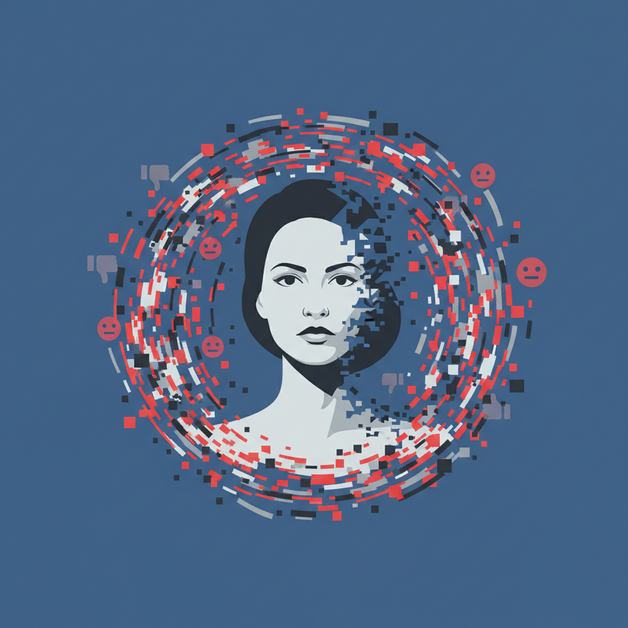
According to the forthcoming research, gendered disinformation campaigns employ a variety of tactics against women in politics and public discourse. These include sexualized defamation, coordinated reputation damage, explicit threats, and persistent harassment. The primary objective of such campaigns appears to be twofold: forcing currently active women out of public debate while simultaneously deterring others from participating.
The research methodology combines data analysis, expert evaluations, and first-hand accounts from women who have experienced these attacks. This approach has allowed researchers to identify both universal patterns of gendered disinformation and unique manifestations specific to each country’s political and cultural context.
Rather than simply cataloging the problem, the studies aim to highlight resilience strategies and develop actionable solutions across multiple sectors. These recommendations span governmental policy reforms, increased platform accountability measures, improved journalistic standards, and enhanced civil society engagement.
In Mexico, the EON Institute’s contribution builds upon findings from a previous FNF collaboration that examined how generative artificial intelligence technologies were deployed during the country’s 2024 elections. The Mexican study incorporates perspectives gathered through expert panels and focused dialogues with young women, offering insights into the evolving technological dimensions of gendered attacks.
The Lebanese component, conducted by the Samir Kassir Eyes Center and InflueAnswers, takes a qualitative approach. Researchers conducted in-depth interviews with women in politics and journalism, supplemented by extensive literature reviews and international comparative analysis to contextualize Lebanon’s experience within global patterns.
For the Philippines, the Center for Liberalism and Democracy analyzes prominent case studies through various theoretical frameworks, providing a structured understanding of how gendered disinformation operates within the country’s specific media and political ecosystem.
The research collectively emphasizes that gendered disinformation represents more than an issue affecting women or digital rights in isolation. Instead, it constitutes a fundamental challenge to democratic principles and institutions. The studies argue that campaigns targeting women in public life are often part of broader efforts to undermine democratic participation and discourse.
“Those who want to silence women want to weaken democracy,” notes one key finding from the research, highlighting the intersection between gender-based harassment and antidemocratic movements.
The timing of this research series is particularly relevant as social media platforms continue to struggle with content moderation at scale, while generative AI technologies have made creating convincing false content increasingly accessible. These technological developments have provided new tools for those seeking to harass or discredit women in public life.
When released, these studies will join a growing body of research examining how digital spaces have become battlegrounds for democratic participation, with women often facing disproportionate barriers to engagement in political and civic discourse.
The Friedrich Naumann Foundation, which promotes liberal values globally, positions this research as part of its broader commitment to supporting democratic institutions and equal participation in political processes worldwide.
Fact Checker
Verify the accuracy of this article using The Disinformation Commission analysis and real-time sources.

18 Comments
I’m curious to learn more about the specific tactics identified in the research, such as sexualized defamation and coordinated reputation damage. Understanding these methods is key to developing effective countermeasures.
Agreed. First-hand accounts from women who have experienced these attacks will provide valuable insight into the real-world impact of gendered disinformation.
While the focus on International Women’s Day 2026 is commendable, I hope the research and subsequent actions will have a more immediate impact. The need to address this issue is urgent.
Good point. Ongoing, timely efforts to counter gendered disinformation are crucial, rather than just a one-time initiative.
This is an important issue that deserves greater attention. Combating gendered disinformation online is crucial for empowering women in public life and discourse.
Yes, the tactics used to intimidate and silence women are unacceptable. Comprehensive research like this is a vital first step.
The combination of data analysis, expert evaluations, and first-hand accounts sounds like a thorough and well-rounded research approach. I look forward to seeing the insights this study uncovers.
Yes, this multifaceted methodology should provide a comprehensive understanding of the problem and inform effective solutions.
Broadening the international scope of this research is an important step. Gendered disinformation is a global issue that requires coordinated efforts to combat.
Agreed. Learning from experiences in different countries will help develop more universal strategies to address this challenge.
The findings from this research will be invaluable for policymakers, tech companies, and civil society organizations working to create a safer, more inclusive online environment.
Absolutely. Collaborative efforts across different stakeholders will be essential to effectively address this complex challenge.
The finding that gendered disinformation campaigns aim to force women out of public debate while deterring others from participating is deeply concerning. This undermines democratic principles and freedom of expression.
Absolutely. Addressing this issue is crucial for ensuring equal opportunities and representation for women in politics and public discourse.
This research is an important step, but the real test will be in the implementation of its findings. I hope to see concrete, sustained actions that make a tangible difference for women in public life.
Well said. The ultimate goal should be to create lasting, systemic change that empowers women and challenges the root causes of gendered disinformation.
I appreciate the holistic approach of this study, looking at both the universal patterns of gendered disinformation as well as the unique local contexts. This will help develop tailored solutions.
Yes, the local context is crucial. Understanding how gendered disinformation manifests in different regions will inform more targeted and effective countermeasures.