


Listen to the article
Coastal First Nations condemn Fulmer for ‘disinformation’ about alliance
Tensions have escalated between Coastal First Nations (CFN) and B.C. Conservative leadership candidate Yuri Fulmer after the politician characterized the Indigenous alliance as “just an advocacy organization” funded by foreign interests.
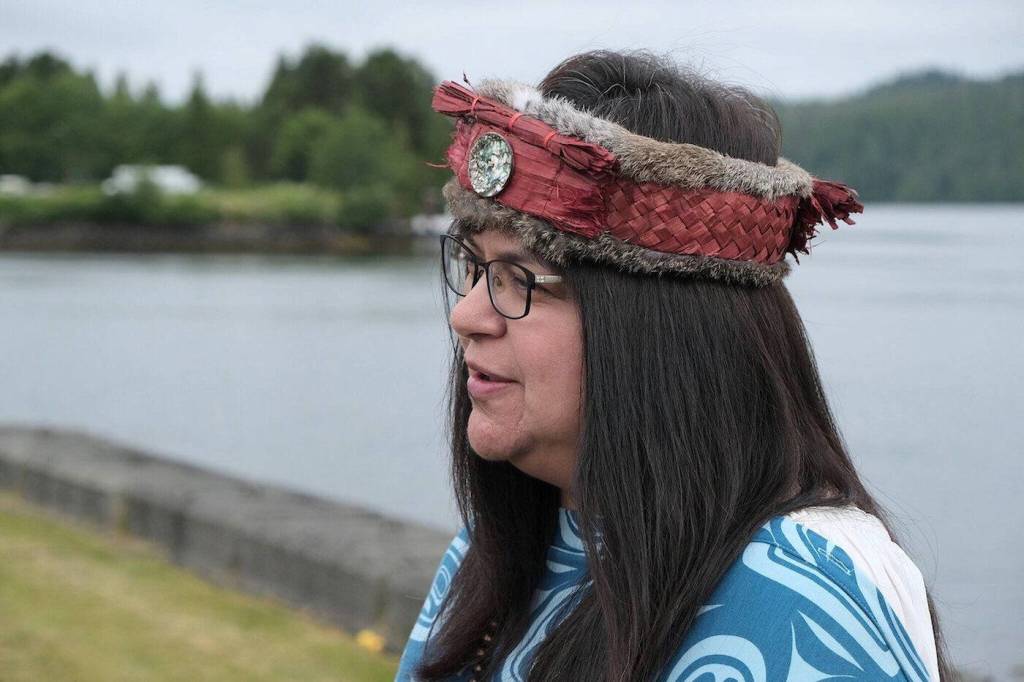
Marilyn Slett, President of Coastal First Nations and Chief of the Heiltsuk Nation, strongly rejected Fulmer’s characterization, calling his recent video and social media comments “disinformation” that misrepresents the nature of the organization.
“We’re a coalition, an alliance of communities that have very ancient and old relations amongst each other, that ties us together,” Slett said. The alliance represents nine First Nations across British Columbia’s environmentally sensitive north coast region, an area that includes the Great Bear Rainforest.
At the center of the dispute is a video released by Fulmer that connects CFN to foreign influence in Canadian politics. The video juxtaposes images of Canadian flag-burning and pro-Palestinian protests with speeches by Gaagwiis Jason Alsop, the elected president of the Haida Nation and a CFN board member.
“Time and again, we keep hearing that Coastal First Nations are opposed to any pipeline and will stop any development,” Fulmer states in the video. “But here is the thing: the Coastal First Nations is just a name, like Coke or Nike.”
Fulmer further claims the organization operates under the official name “Great Bear Initiative Society” and receives millions in funding from “left-wing American and international foundations,” suggesting foreign donors influence its advocacy positions.
While CFN acknowledges it receives some foreign donations as a registered non-profit, Slett emphasized that the organization’s board—composed of elected and hereditary leaders from the nine coastal communities—maintains full decision-making authority.
“There is no funder, whether it’s government, philanthropic, or corporate, that directs our position or activity,” she told Black Press Media. “CFN takes direction only from the leadership of its member nations.”
The alliance also disputes Fulmer’s characterization of their environmental stance. CFN officials clarified that rather than opposing all development and pipelines, their advocacy specifically targets heavy oil tanker traffic in their territorial waters—an activity banned since 2019 under federal law. The issue has regained prominence recently as Alberta pushes for a new oil pipeline to B.C.’s North Coast.
Slett expressed concern that such misinformation campaigns have real-world consequences, revealing she has personally experienced online harassment through direct messages and emails. There have also been attempts to dox CFN employees.
In an interview defending his statements, Fulmer maintained that his core issue was with foreign funding of organizations engaged in political activity, which he wants banned. Ironically, Fulmer’s own investment firm—which operates nearly three dozen A&W franchises in western Canada—has previously donated to the Coastal First Nation’s Great Bear Rainforest Carbon Project.
When questioned about this apparent contradiction, Fulmer distinguished between domestic and foreign funding. “As a company, we believe in conservation,” he said. “We are a British Columbian company, not a foreign company… and we invested in a conservation project we believe in.”
The dispute highlights ongoing tensions regarding resource development in traditional Indigenous territories and raises questions about the nature of government-to-government relations with First Nations alliances. Earlier this month, Prime Minister Mark Carney and federal officials met with CFN leadership, underscoring the organization’s recognized political standing.
In a written statement, Slett called for Fulmer to apologize, warning that such rhetoric increases division between Indigenous and non-Indigenous British Columbians during an already tense political climate.
“Spreading this type of disinformation sows division between First Nations and other British Columbians and serves to further inflame existing tensions,” Slett wrote. “In a time of heightened political conflict across the continent, this is irresponsible and dangerous and could result in real harm to our communities.”
Fact Checker
Verify the accuracy of this article using The Disinformation Commission analysis and real-time sources.

10 Comments
This dispute highlights the need for open and transparent communication between elected officials, Indigenous leaders, and the public. Resorting to accusations of ‘disinformation’ is unlikely to resolve the underlying tensions.
It will be important to hear from all stakeholders and seek common ground, rather than further entrenching polarized positions. A balanced and fact-based approach is needed to address the legitimate concerns raised.
This dispute highlights the complex and sensitive nature of Indigenous rights and environmental issues in Canada. It’s crucial that all parties involved approach the situation with nuance, respect, and a genuine commitment to finding common ground.
Resorting to inflammatory language like ‘disinformation’ is unlikely to be productive. A balanced and fact-based discussion, with input from all stakeholders, would be a more constructive way forward.
The Coastal First Nations represent a coalition of long-established Indigenous communities with a deep connection to the land and resources in the region. Their perspectives and rights should be given serious consideration, not dismissed as ‘foreign influence’.
Accusations of ‘disinformation’ can be a concerning tactic to discredit opposing views. A more constructive approach would be to engage in substantive dialogue and try to understand each other’s concerns and motivations.
This is a concerning situation. It’s important to get the facts straight and avoid spreading misinformation, regardless of political affiliations. The Coastal First Nations group seems to have a legitimate role in representing Indigenous communities in the region.
Agreed, we should be cautious about accepting claims of ‘foreign influence’ without clear evidence. The focus should be on understanding the perspectives and rights of the Indigenous groups involved.
Characterizing the Coastal First Nations as ‘just an advocacy organization’ seems like an oversimplification. As an alliance of long-standing Indigenous communities, their role in environmental and political issues in the region deserves respectful consideration.
Dismissing their concerns as ‘foreign influence’ is concerning and could undermine constructive dialogue. These are complex issues that require nuanced understanding on all sides.