


Listen to the article
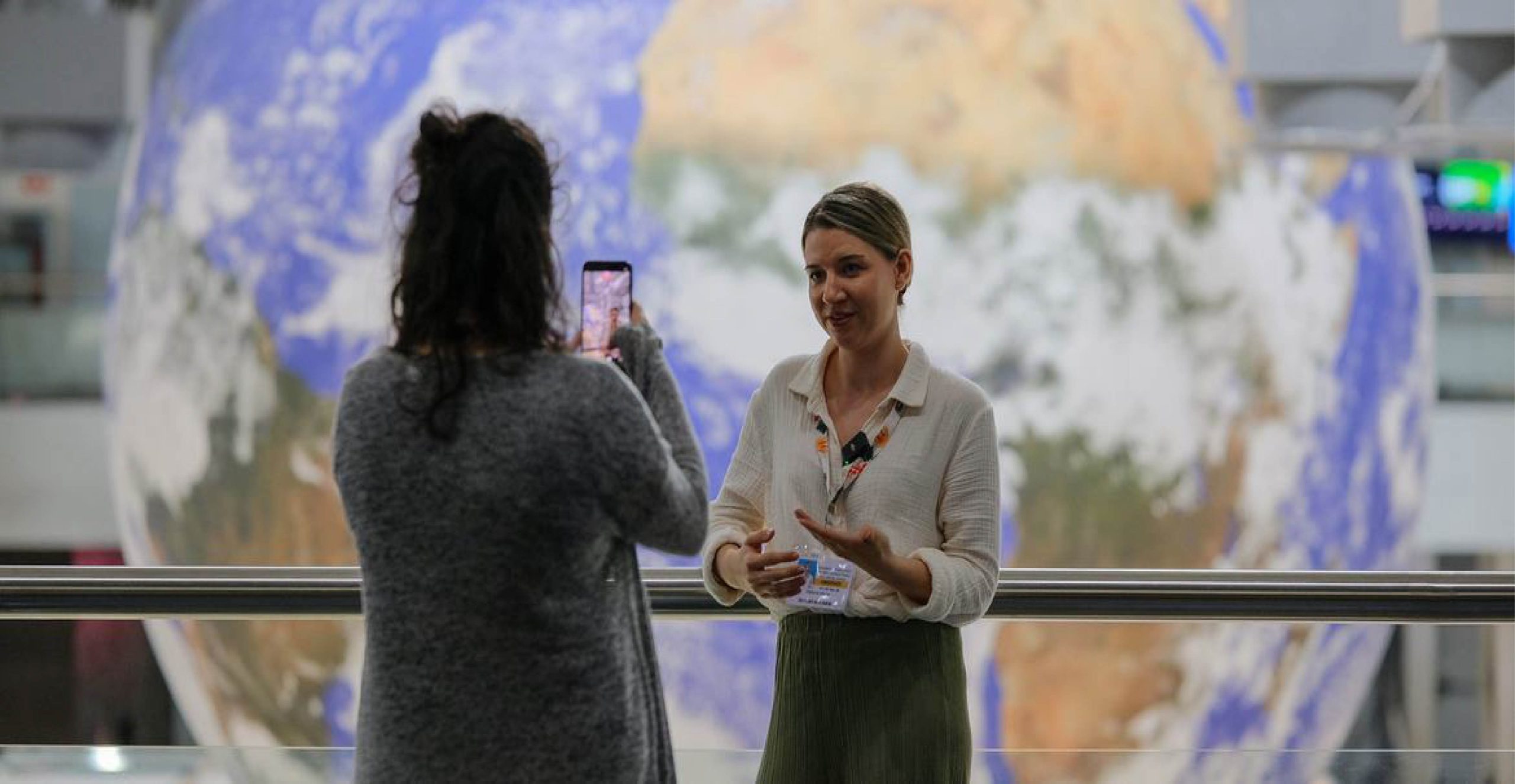
Climate disinformation took center stage as climate negotiators gathered in Belém, Brazil for COP30, with officials warning that a surge in false information threatens to undermine global efforts to address climate change.
Brazil’s President Luiz Inácio Lula da Silva emphasized the growing challenge during his opening address, stressing that combating climate misinformation has become as crucial as reducing carbon emissions. “COP30 must mark a new defeat for climate denialists,” he declared, setting a combative tone for the summit.
In a significant development on Wednesday, twelve nations including Brazil, Canada, France, Germany and Spain took concrete action by signing the Declaration on Information Integrity on Climate Change. This first-of-its-kind agreement represents a coordinated international response to the proliferation of climate falsehoods online and in public discourse.
The declaration, launched under the newly formed Global Initiative for Information Integrity on Climate Change, outlines commitments to counter disinformation campaigns while providing protection for those at the forefront of climate communication: environmental journalists, scientific researchers, and climate experts who increasingly face harassment and attacks for their work.
João Brant, Brazil’s Secretary for Digital Policies, framed the initiative in straightforward terms, describing its mission as creating “a wave of truth” to counter the tide of misinformation.
The timing of this declaration reflects growing concern among climate policy experts about how disinformation campaigns have evolved. While outright climate denial has diminished in recent years, it has been replaced by more sophisticated tactics that acknowledge climate change while distorting potential solutions, exaggerating costs of action, or promoting delay.
Social media platforms have become primary vectors for climate misinformation, with research showing that false claims can spread up to six times faster than factual information. The problem has intensified with the rise of generative AI technologies that make creating convincing but false content easier than ever before.
The Amazon rainforest, much of which lies within Brazil’s borders, has been a particular focal point for disinformation. False narratives about deforestation rates, indigenous land rights, and conservation efforts have complicated Brazil’s environmental policies and international climate commitments.
Climate scientists have welcomed the declaration but emphasized that implementation will be crucial. Dr. Marta Santos, a climate scientist at the Federal University of Pará, noted: “The commitment is important, but we need to see robust mechanisms for identifying disinformation and holding its creators accountable.”
The declaration comes at a critical juncture in global climate negotiations. Nations are preparing to submit enhanced climate pledges under the Paris Agreement framework, and misleading information could undermine public support for necessary but potentially disruptive economic transitions.
Energy market analysts point out that fossil fuel interests have significant financial incentives to sow doubt about climate science or delay policy action. A recent study estimated that the five largest publicly traded oil and gas companies spent over $200 million on climate-related lobbying and messaging in 2023 alone.
The signatory nations have committed to developing regulatory frameworks and educational initiatives to improve information integrity. These may include media literacy programs, support for science communication, and collaboration with technology companies to limit the spread of harmful content.
Civil society organizations have cautiously welcomed the declaration while emphasizing that any measures must be carefully balanced with free speech protections. “We need to combat disinformation without creating tools that could be misused to silence legitimate debate or dissent,” said Clara Mendez of the Climate Truth Coalition.
As COP30 continues, delegates face the dual challenge of negotiating ambitious climate action while contending with a media environment increasingly polluted by falsehoods. The success of the new information integrity initiative may prove just as important as traditional climate diplomacy in determining whether the world can effectively respond to the climate crisis.
Fact Checker
Verify the accuracy of this article using The Disinformation Commission analysis and real-time sources.

24 Comments
If AISC keeps dropping, this becomes investable for me.
Good point. Watching costs and grades closely.
Good point. Watching costs and grades closely.
The cost guidance is better than expected. If they deliver, the stock could rerate.
I like the balance sheet here—less leverage than peers.
Good point. Watching costs and grades closely.
Good point. Watching costs and grades closely.
Nice to see insider buying—usually a good signal in this space.
Good point. Watching costs and grades closely.
Good point. Watching costs and grades closely.
Interesting update on Climate Summit COP30 Tackles Disinformation Threat to Environmental Progress. Curious how the grades will trend next quarter.
Good point. Watching costs and grades closely.
Exploration results look promising, but permitting will be the key risk.
Good point. Watching costs and grades closely.
Nice to see insider buying—usually a good signal in this space.
The cost guidance is better than expected. If they deliver, the stock could rerate.
Good point. Watching costs and grades closely.
Good point. Watching costs and grades closely.
I like the balance sheet here—less leverage than peers.
Good point. Watching costs and grades closely.
Exploration results look promising, but permitting will be the key risk.
Good point. Watching costs and grades closely.
Good point. Watching costs and grades closely.
Nice to see insider buying—usually a good signal in this space.