


Listen to the article
In the age of viral misinformation, climate disinformation has evolved from fringe conspiracy theories to sophisticated, subtle messaging that often comes from seemingly reliable sources, according to climate experts.
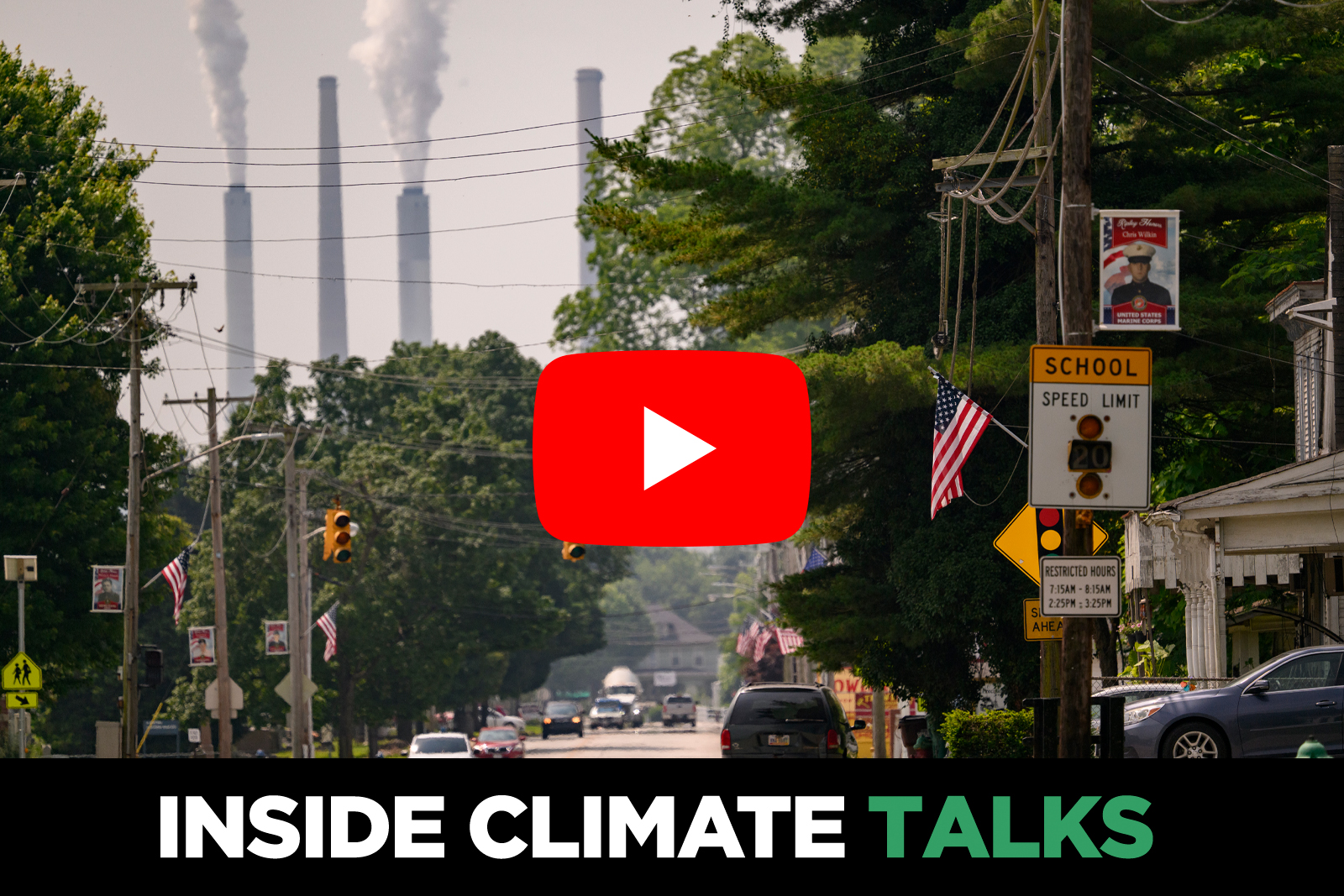
During a recent Inside Climate News discussion, executive editor Vernon Loeb spoke with Washington bureau chief Marianne Lavelle and chief science writer Bob Berwyn about the changing landscape of climate disinformation and its impact on public perception and policy.
The conversation centered on a controversial report issued by the U.S. Department of Energy, which critics say was commissioned to lay groundwork for dismantling federal regulations on greenhouse gas emissions. This report represents a more nuanced form of climate disinformation that can be harder for the public to identify than outlandish claims about “space lasers starting forest fires.”
“What we’re seeing now is much more sophisticated than the climate denial of previous decades,” explained Lavelle during the discussion. “It’s less about denying the science outright and more about creating doubt about solutions or the urgency of action.”
Berwyn noted parallels between current climate disinformation tactics and those previously employed by the tobacco industry. “There’s a similar playbook at work—create doubt, emphasize uncertainty, and delay action by suggesting we need more research before making policy decisions,” he said.
The experts highlighted that while climate skepticism exists globally, it has particular strength in the United States, where it has become intertwined with political identity and economic interests. This American exceptionalism in climate skepticism has influenced international climate negotiations and domestic policy development.
The conversation also addressed how mainstream climate scientists have responded to documents like the Department of Energy report, with many expressing concern about selective use of data and misrepresentation of scientific consensus to promote predetermined policy outcomes.
“These reports may appear legitimate to the untrained eye, but they often cherry-pick information or misrepresent uncertainty in ways that undermine well-established climate science,” Berwyn explained. The experts emphasized that the overwhelming majority of climate scientists agree on the fundamental reality of human-caused climate change and the need for significant emissions reductions.
Inside Climate News has positioned itself as a counterweight to such misinformation. Founded in 2007, the nonprofit news organization has grown to become one of the largest dedicated climate newsrooms in the country, winning a Pulitzer Prize for National Reporting in 2013.
Unlike many news outlets, Inside Climate News makes its reporting freely available without paywalls or advertising, relying instead on donations to fund its operations. The organization also shares its content with smaller media outlets that may lack resources for environmental journalism.
“We’ve built bureaus coast to coast to report local stories and collaborate with local newsrooms,” Loeb noted. “This ensures vital information about climate change reaches communities everywhere, not just in major media markets.”
The discussion highlighted the critical role of independent journalism in debunking climate misinformation, holding polluters accountable, and informing the public about environmental issues. As sophisticated disinformation continues to spread through trusted channels, experts emphasize that fact-based reporting is increasingly essential.
With climate policy debates intensifying under changing administrations, the experts stressed the importance of recognizing disinformation regardless of its source and understanding how seemingly technical documents can be used to influence public perception and policy outcomes.
The full video discussion is available on the Inside Climate News website, offering viewers an in-depth analysis of current climate disinformation trends and their implications for environmental policy and public understanding.
Fact Checker
Verify the accuracy of this article using The Disinformation Commission analysis and real-time sources.

30 Comments
If AISC keeps dropping, this becomes investable for me.
Good point. Watching costs and grades closely.
Interesting update on Climate Science Faces Heightened Challenge from Coordinated Disinformation Campaigns. Curious how the grades will trend next quarter.
Good point. Watching costs and grades closely.
Good point. Watching costs and grades closely.
Exploration results look promising, but permitting will be the key risk.
Good point. Watching costs and grades closely.
Good point. Watching costs and grades closely.
Exploration results look promising, but permitting will be the key risk.
Production mix shifting toward Disinformation might help margins if metals stay firm.
Production mix shifting toward Disinformation might help margins if metals stay firm.
Good point. Watching costs and grades closely.
Good point. Watching costs and grades closely.
If AISC keeps dropping, this becomes investable for me.
Good point. Watching costs and grades closely.
Uranium names keep pushing higher—supply still tight into 2026.
Good point. Watching costs and grades closely.
If AISC keeps dropping, this becomes investable for me.
Good point. Watching costs and grades closely.
Good point. Watching costs and grades closely.
I like the balance sheet here—less leverage than peers.
Good point. Watching costs and grades closely.
Exploration results look promising, but permitting will be the key risk.
Good point. Watching costs and grades closely.
Good point. Watching costs and grades closely.
Uranium names keep pushing higher—supply still tight into 2026.
Good point. Watching costs and grades closely.
Nice to see insider buying—usually a good signal in this space.
Good point. Watching costs and grades closely.
Nice to see insider buying—usually a good signal in this space.