


Listen to the article
EU Takes Stand Against Climate Disinformation with Landmark Declaration
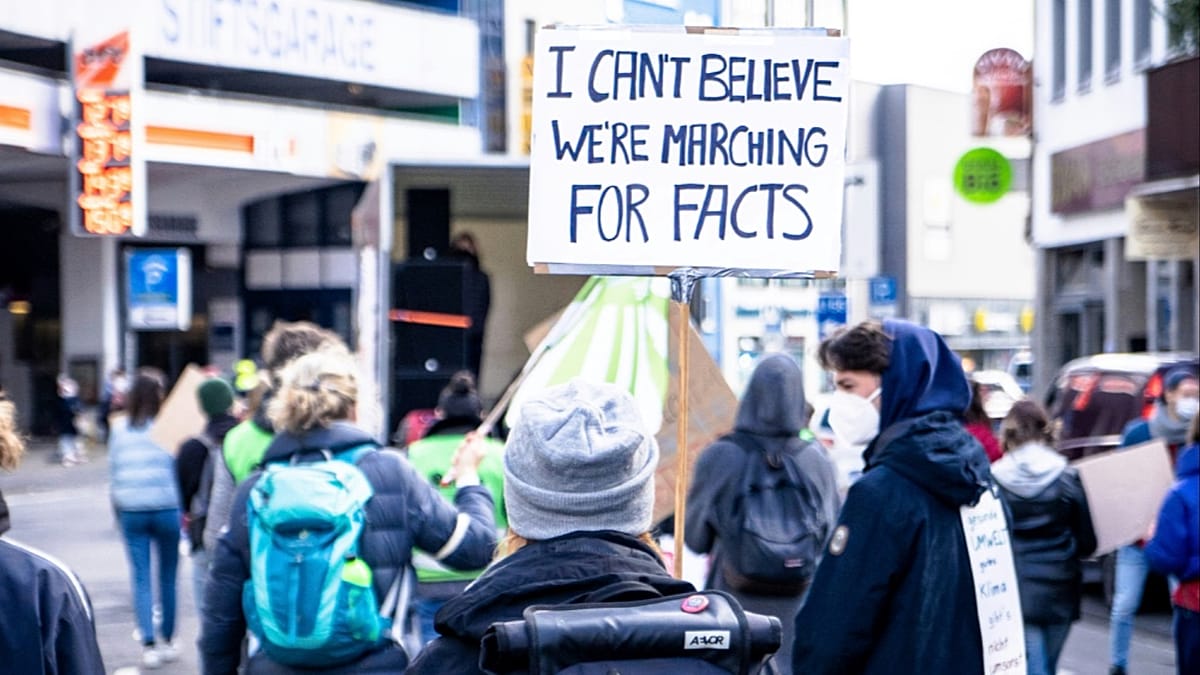
The European Union has officially endorsed a landmark declaration aimed at combating climate disinformation, joining efforts to address the growing challenge of false information in climate debates.
The Declaration on Information Integrity on Climate Change, initially launched during last year’s COP30 summit in Belém, represents what officials describe as a “firm commitment” to factual debate, climate science, and evidence-based policymaking in environmental discussions.
Prior to the EU’s formal endorsement on January 20, 2026, fifteen member states had already individually backed the initiative, including Belgium, Germany, and Spain, signaling strong regional support for tackling climate misinformation.
The move comes at a critical time when Europeans are increasingly struggling to identify reliable climate information. According to the 2025 Eurobarometer survey on climate change, over half of Europeans (52 percent) believe traditional media fails to provide clear information on climate issues, while nearly half (49 percent) report difficulty distinguishing trustworthy climate content on social media platforms.
“We’re living in a world where the threat of climate change is becoming ever more urgent and, at the same time, where alternative truths, confrontation and disinformation abound,” said Wopke Hoekstra, Commissioner for climate, net zero and clean growth. “This is cause for concern. Informed public debates where we listen and look at the science are so essential if humanity is going to effectively tackle the climate crisis.”
Climate disinformation specifically refers to the intentional spread of false or misleading information about climate change and climate action, including outright denial and conspiracy theories. This differs from climate misinformation, which involves false or out-of-context information presented as fact without necessarily having deliberate intent to mislead.
In conjunction with the declaration, the European Commission’s Directorate-General for climate action has launched a new campaign called #ClimateFactsMatter, designed to help citizens identify and combat climate disinformation. The initiative aims to equip people with the skills to recognize common tactics used to spread climate falsehoods.
The campaign highlights several key strategies for spotting climate disinformation. One common technique is selective data presentation, where information is cherry-picked to distort the overall picture. The campaign encourages checking multiple trusted sources, with resources like EuroClimateCheck publishing regular updates on climate disinformation identified by European fact-checking organizations.
Another tactic involves the use of “fake experts.” A recent investigation by Press Gazette uncovered approximately 1,000 articles in British media attributed to non-existent or AI-enhanced “experts,” underscoring how easily false authority can be established in public discourse.
The EU initiative also warns against “emotional traps” that use loaded language to trigger immediate emotional responses. Campaign materials advise readers to pause and verify claims that provoke strong anger or fear before accepting or sharing them.
Claims of “quick fixes” for climate change represent another red flag, according to the campaign. Given that addressing climate change requires complex, systemic changes and a transition away from fossil fuels, solutions presented as simple or effortless should be viewed skeptically.
The rise of artificial intelligence has further complicated the information landscape. The campaign notes that AI-generated fake imagery has become increasingly sophisticated and prevalent online, advising users to scrutinize suspicious images by zooming into details or using reverse image search tools.
The EU’s endorsement of the declaration reflects growing concern about the impact of climate disinformation on public understanding and policy support during a crucial period for climate action. By providing citizens with tools to navigate the increasingly complex information environment, authorities hope to strengthen the foundation for evidence-based climate discussions across the continent.
Fact Checker
Verify the accuracy of this article using The Disinformation Commission analysis and real-time sources.

19 Comments
This declaration represents an important commitment to upholding the integrity of climate science and evidence-based policymaking. Recognizing the tactics of emotional manipulation and false expertise is a necessary step in addressing the growing challenge of climate disinformation.
Tackling climate disinformation is a complex challenge, but this declaration is a step in the right direction. Recognizing emotional manipulation and false expertise is an important first step to ensure climate discussions are based on facts, not misleading narratives.
I’m encouraged to see the EU taking a stand against climate disinformation. Recognizing the tactics of emotional manipulation and false expertise is crucial in upholding the integrity of climate science and policy discussions.
Agreed. With public trust in traditional media and online climate information sources declining, this declaration could pave the way for more transparent and accountable climate discourse. Effective implementation will be key to its success.
This declaration represents an important milestone in the fight against climate disinformation. Addressing the challenge of false information and restoring public confidence in climate science will be critical in shaping effective environmental policies.
The EU’s endorsement of this declaration sends a strong signal that they are committed to addressing the growing problem of climate misinformation. It will be interesting to see how this initiative unfolds and what concrete actions are taken.
Absolutely. With over half of Europeans distrusting traditional media on climate issues, this declaration comes at a critical time. Effective implementation will be key to combating disinformation and restoring public confidence.
The EU’s endorsement of this declaration is a positive development in the fight against climate disinformation. Ensuring factual debate and promoting transparency in environmental discussions is crucial for informed decision-making and effective policy solutions.
I agree. With public trust in traditional media and online climate information sources declining, this declaration could help restore confidence in climate science and promote more constructive dialogue on environmental issues.
The high percentage of Europeans reporting difficulty distinguishing trustworthy climate content online is a concerning statistic. This declaration signals an important commitment to tackling the spread of climate misinformation, which can have serious consequences for policy and public discourse.
This is an important step in the fight against climate disinformation. Recognizing emotional manipulation and false expertise will be crucial in upholding factual debate and evidence-based policymaking on environmental issues.
I agree, it’s concerning that so many Europeans are struggling to identify reliable climate information. This declaration could help restore trust in climate science and promote transparency.
I’m curious to see how the EU and member states plan to implement this declaration in practice. Raising awareness of disinformation tactics and promoting digital literacy will be crucial to equipping the public with the tools to identify reliable climate information.
Agreed. Empowering citizens to think critically about the climate information they consume is key. This declaration could pave the way for educational initiatives and fact-checking resources to help address the disinformation challenge.
The EU’s endorsement of this declaration is a significant step, but the real challenge will be in its implementation. Effectively combating climate disinformation will require a multi-faceted approach, including education, media literacy, and enhanced fact-checking efforts.
This declaration is a welcome development in the fight against climate disinformation. Recognizing the role of emotional manipulation and false expertise is crucial, as these tactics can be powerful in swaying public opinion away from scientific consensus.
Absolutely. Upholding factual debate and evidence-based policymaking on environmental issues is essential. I hope this declaration leads to tangible actions and initiatives that empower the public to navigate climate information more effectively.
The EU’s endorsement of this declaration is a welcome development. Combating climate disinformation requires a comprehensive approach, and I hope this initiative will lead to tangible actions that empower citizens to critically evaluate climate-related information.
Absolutely. Promoting digital literacy and fact-checking resources will be crucial in helping the public navigate the complex landscape of climate information and identify reliable sources. This declaration could be an important first step in that direction.