


Listen to the article
European Union Endorses Declaration to Combat Climate Disinformation
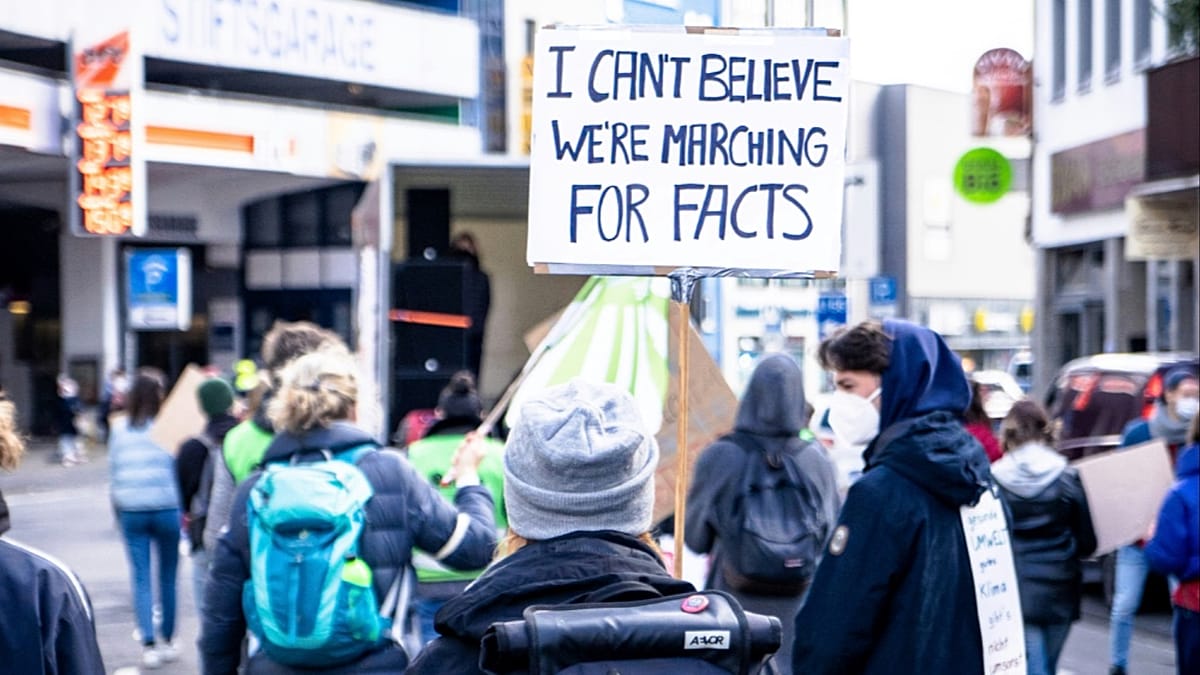
The European Union has formally backed a landmark declaration aimed at tackling climate disinformation, addressing growing concerns about the spread of false information amid an increasing flood of fake news and AI-generated content online.
The Declaration on Information Integrity on Climate Change, which was launched during last year’s COP30 summit in Belém, represents a “firm commitment” to factual debate, climate science, and evidence-based policymaking. Prior to the EU’s collective endorsement on January 20, 2026, the declaration had already gained individual backing from 15 member states, including Belgium, Germany, and Spain.
This initiative comes at a critical time when Europeans are finding it increasingly difficult to navigate environmental information. According to the 2025 Eurobarometer on climate change, more than half of Europeans (52 percent) believe traditional media fails to provide clear information on climate change, while nearly half (49 percent) report difficulties identifying reliable content on social media platforms.
Climate disinformation involves the intentional spread of false or misleading information about climate change and climate action, including outright denial and conspiracy theories. This differs from climate misinformation, which refers to false or out-of-context information that is presented as fact without necessarily having deliberate intent to deceive.
Wopke Hoekstra, Commissioner for climate, net zero and clean growth, emphasized the urgency of the situation: “We’re living in a world where the threat of climate change is becoming ever more urgent and, at the same time, where alternative truths, confrontation and disinformation abound. This is cause for concern. Informed public debates where we listen and look at the science are so essential if humanity is going to effectively tackle the climate crisis.”
To address these challenges, the European Commission’s Directorate-General for climate action has launched a new campaign called #ClimateFactsMatter. The initiative aims to empower people to identify climate disinformation by revealing common techniques used to mislead the public.
The campaign highlights several strategies for spotting climate disinformation. One common tactic involves cherry-picking data to create confusion, making it essential to check multiple trusted sources for the complete picture. The EU’s EuroClimateCheck regularly publishes updated information about climate disinformation, curated by leading European fact-checking organizations.
Another red flag is the prevalence of “fake experts” claiming authority in climate science. A recent investigation by the Press Gazette uncovered approximately 1,000 articles in British media attributed to fake, non-existent, or AI-enhanced experts, underscoring the importance of verifying credentials against reliable sources.
The campaign also warns about “emotional traps” that use loaded language to trigger immediate emotional responses like anger or fear. Citizens are advised to pause and verify claims that provoke strong emotional reactions before accepting or sharing such content.
Claims of “quick fixes” for climate change represent another common form of disinformation. The reality of addressing climate change requires global systemic changes and transitioning away from fossil fuels – a complex, long-term endeavor with no easy solutions.
The rise of artificial intelligence has further complicated the information landscape by making fake imagery increasingly common online. The EU recommends examining suspicious images closely and using reverse image searches to verify authenticity.
To combat these challenges, Euronews maintains a dedicated team of journalists who work to debunk major stories and rumors targeting Europe through their Euroverify initiative.
The EU’s endorsement of the declaration represents a significant step in the institutional fight against climate disinformation, reflecting growing recognition of how false information threatens effective climate action and informed public discourse across the continent.
Fact Checker
Verify the accuracy of this article using The Disinformation Commission analysis and real-time sources.

10 Comments
I’m curious to learn more about the specific measures outlined in the EU’s declaration. What strategies will be employed to identify and counter false claims about climate change? Transparency around the implementation process would be valuable.
That’s a good question. The details of the EU’s action plan will be important to understand how they plan to effectively address this problem. Robust fact-checking and public awareness campaigns could be part of the solution.
The EU’s new declaration is a positive step, but the challenge of tackling climate disinformation is an ongoing battle. Continued vigilance and collaboration between governments, media, and tech companies will be crucial to protect the integrity of environmental information.
It’s concerning to see that over half of Europeans feel traditional media fails to provide clear information on climate change. This highlights the urgent need for greater transparency and fact-based reporting on environmental issues.
You make a good point. The public’s difficulty in identifying reliable content on social media is also worrying. Combating disinformation requires a multi-pronged approach across all media platforms.
The rise of AI-generated content is an ominous development that can amplify the spread of climate disinformation. Ensuring the integrity of online information will require innovative technological solutions as well as stronger regulations and enforcement.
While the EU’s declaration is a step in the right direction, the challenge of combating climate disinformation remains daunting. Maintaining public trust and promoting science-based policymaking will be critical to making meaningful progress on environmental issues.
I agree, the battle against climate disinformation is an uphill one. But the EU’s commitment to factual debate and evidence-based decision-making is heartening. Consistent, coordinated efforts across sectors will be key to success.
Tackling climate disinformation is crucial as the spread of false information can undermine public trust and derail progress on environmental issues. The EU’s declaration is a welcomed step towards promoting factual, evidence-based debate on this critical topic.
I agree, misinformation can be extremely damaging when it comes to climate change. Kudos to the EU for taking a firm stance and prioritizing reliable information.