


Listen to the article
US-China Trade Deal Signals Major Shift in Global Power Dynamics, Sidelines Russia
A landmark one-year trade agreement on rare earth metals and tariff reductions between the United States and China may have far-reaching implications beyond economics, potentially signaling a “joint end to the war in Ukraine,” according to Ukrainian security officials.
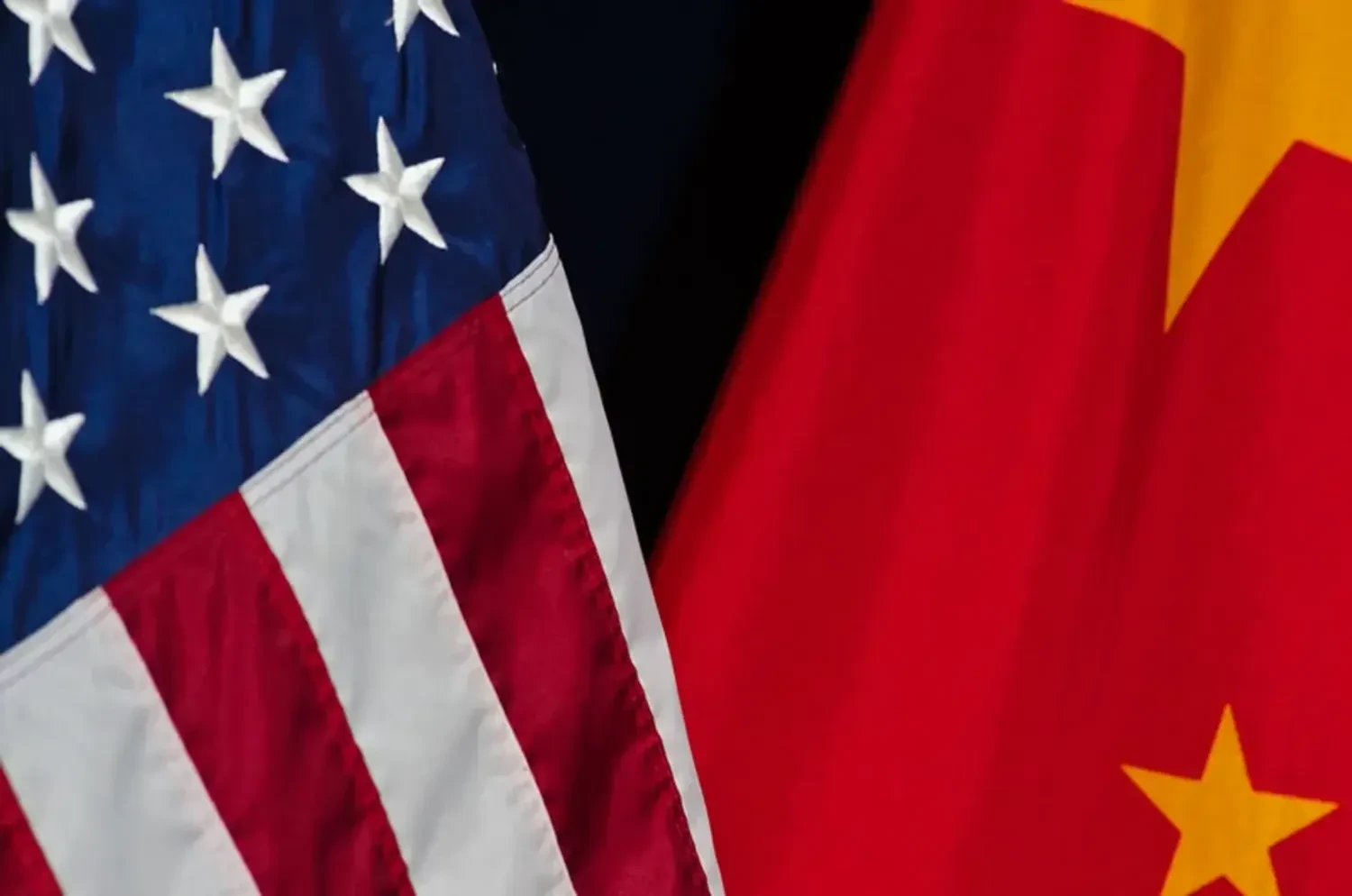
The agreement, signed by US President Donald Trump and Chinese leader Xi Jinping, represents a significant diplomatic pivot that could reshape global alliances and isolate Russia on the world stage.
Andriy Kovalenko, head of the Center for Countering Disinformation of Ukraine’s National Security and Defense Council, believes the deal indicates China and the United States have decided to prioritize mutual economic interests over their geopolitical rivalry.
“In the language of diplomacy, this means that Russia is no longer needed by either Beijing or Washington,” Kovalenko stated. “Its trump cards – cheap resources – burned out in one day.”
The trade agreement focuses on critical rare earth metals, which are essential components in advanced technologies including electric vehicles, renewable energy systems, and defense equipment. China currently dominates global rare earth production, controlling approximately 85% of processing capacity worldwide, while the United States has been working to reduce its dependency on Chinese supplies for national security reasons.
This unexpected cooperation between the world’s two largest economies comes amid the ongoing war in Ukraine, where Russia has increasingly relied on Chinese economic support to weather Western sanctions. Since the invasion began, Beijing has emerged as Moscow’s most significant trading partner, purchasing Russian energy resources while providing crucial industrial components.
Market analysts suggest the timing of this agreement is particularly significant. “This deal fundamentally alters the calculus for Beijing regarding its relationship with Moscow,” explained Dr. Elena Markova, senior fellow at the Institute for International Economics. “China now has stronger incentives to maintain positive trade relations with the United States than to continue backing Russia’s increasingly isolated position.”
The deal’s immediate impact was felt in commodity markets, where prices of Russian exports experienced volatility as traders reassessed global supply dynamics. The Russian ruble also faced renewed pressure against major currencies.
For Ukraine, this diplomatic realignment potentially represents a major strategic victory. “While Putin launches missiles, real agreements on the future world order are being made without him,” Kovalenko observed. The sidelining of Russia from high-level international economic negotiations could further weaken its position as the war continues.
Regional security experts point to several possible outcomes. Without China’s economic backstop, Russia may face intensified pressure to negotiate an end to the conflict. Alternatively, Moscow might double down on its military campaign in a bid to strengthen its negotiating position before international support further erodes.
“If Beijing and Washington find a new formula for coexistence, Russia will simply remain outside the civilized world, in the eternal role of a raw material appendage, but a situational one,” Kovalenko concluded.
The agreement also highlights the shifting nature of international relations in a multipolar world. Despite years of escalating tensions between Washington and Beijing over issues ranging from trade practices to Taiwan, both powers appear willing to compartmentalize certain aspects of their relationship when mutual interests align.
For global markets, the deal signals potential stability after years of trade tensions that disrupted supply chains and contributed to inflationary pressures. However, questions remain about the sustainability of this cooperation and whether it represents a temporary tactical alignment or the beginning of a more substantial strategic recalibration.
As implementation of the agreement begins, diplomats and analysts worldwide will be closely monitoring not just its economic effects, but its potential to reshape the geopolitical landscape of the ongoing conflict in Ukraine.
Fact Checker
Verify the accuracy of this article using The Disinformation Commission analysis and real-time sources.

10 Comments
Interesting development in the global power dynamics, especially with Russia seemingly sidelined. This China-US trade deal on rare earth metals could have far-reaching implications beyond just economics.
I wonder how this might impact the geopolitical landscape and Russia’s influence going forward. Curious to see how this plays out.
The rare earth metals trade agreement between the US and China is quite significant. These critical materials are essential for many advanced technologies, so this deal could shift the global supply chain.
It’ll be interesting to see how Russia reacts to being left out of this arrangement. Their influence may be diminished as a result.
The US-China trade agreement on rare earth metals is an intriguing development. It seems to suggest a shift in priorities for both countries, potentially sidelining Russia’s influence.
I wonder how this might impact the global rare earth metals market and the various industries that rely on these critical materials.
Fascinating that this deal could signal a ‘joint end to the war in Ukraine,’ as the Ukrainian security official suggests. Curious to see if that prediction holds true.
The implications for global alliances and Russia’s role are certainly worth watching closely in the coming months.
This deal between the US and China on rare earth metals is quite significant. It could reshape global alliances and dynamics, potentially leaving Russia out in the cold.
It will be interesting to see how Russia responds to this development and whether it leads to any changes in their geopolitical strategy.