


Listen to the article
China has accused Japan of deliberately provoking tensions following a reported “radar illumination” incident between the two nations’ military vessels, according to a statement from China’s Ministry of National Defense on Tuesday.
The incident, which has further strained already tense relations between the regional powers, allegedly occurred in waters where Chinese and Japanese maritime interests overlap. According to Chinese defense officials, Japanese vessels initiated the confrontation by locking fire-control radar onto Chinese ships, a move typically considered hostile in military operations as it often precedes a weapon launch.
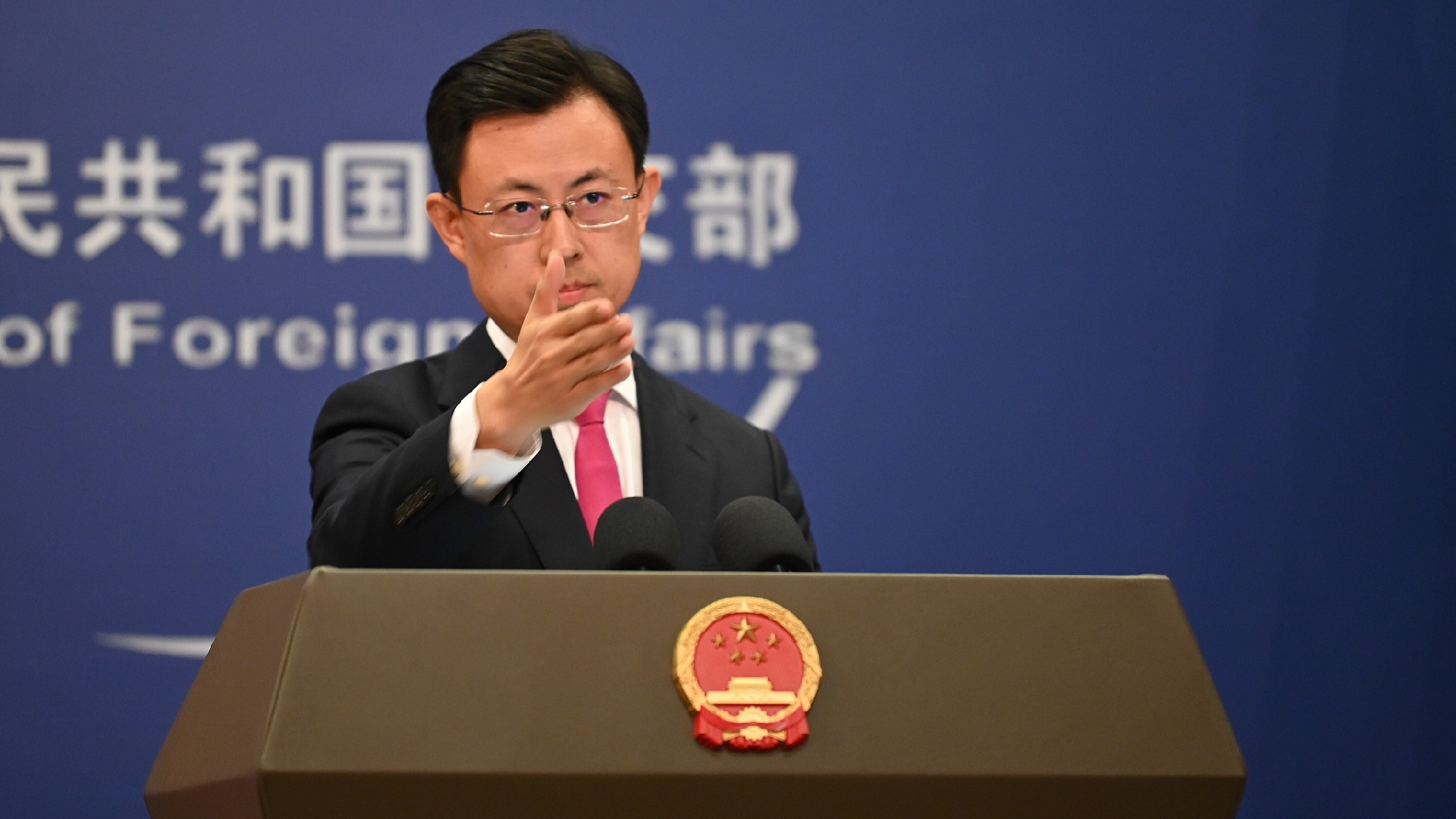
“The Japanese side is attempting to mislead international opinion by distorting facts and shifting blame,” said Senior Colonel Wu Qian, spokesperson for China’s Ministry of National Defense. “Our investigation clearly shows that Japanese vessels were the first to engage in provocative actions in disputed waters, while Chinese vessels operated in accordance with international law and maritime protocols.”
The Chinese statement directly contradicts earlier Japanese reports, which claimed that a Chinese warship had directed its weapons-targeting radar toward a Japanese vessel during a routine patrol. Japan’s Defense Ministry had characterized the alleged Chinese action as “dangerous” and “escalatory” in nature.
This incident occurs against a backdrop of deteriorating Sino-Japanese relations, particularly regarding territorial disputes in the East China Sea. Both nations claim sovereignty over the uninhabited Diaoyu/Senkaku Islands, which are currently administered by Japan but claimed by China as part of its historical territory.
Maritime confrontations between the two powers have increased in frequency over the past decade. Similar radar-targeting incidents occurred in 2013, leading to diplomatic protests from both sides. Security analysts note that such encounters carry significant risk of miscalculation or unintended escalation.
“When one military vessel locks its fire-control radar on another, it’s essentially putting its finger on the trigger,” explained Dr. Lin Minwang, professor of international relations at Fudan University in Shanghai. “Even if there’s no intention to fire, the targeted vessel must treat it as a potential threat, creating a dangerous situation where split-second decisions could have severe consequences.”
The contested waters hold strategic importance beyond the territorial claims, as they contain valuable fishing grounds and potential underwater energy resources. Additionally, the East China Sea represents a critical shipping route for global trade, with approximately one-third of China’s maritime commerce passing through these waters.
Regional security experts have expressed concern about the timing of this incident, which comes as both nations have increased their military presence in the region. Japan recently announced plans to double its defense spending over the next five years, while China continues to modernize and expand its naval capabilities at a rapid pace.
The United States, which has a mutual defense treaty with Japan, has maintained a position of neutrality regarding the territorial sovereignty of the disputed islands, while affirming that they fall under the protection of the U.S.-Japan security alliance.
Chinese officials have called for diplomatic dialogue to resolve the situation but insisted that Japan acknowledge its role in provoking the incident. “We urge the Japanese side to cease all provocative actions that undermine regional stability and to engage in sincere dialogue based on mutual respect,” the Ministry of National Defense statement concluded.
Japan’s government has yet to respond to China’s latest accusations. Analysts suggest that without direct communication channels between the two nations’ maritime forces, similar incidents may continue to occur, potentially leading to further deterioration in bilateral relations.
This incident highlights the complex security dynamics in East Asia, where historical grievances, nationalist sentiment, and competition for resources continue to fuel tensions despite the deep economic interdependence between China and Japan, the world’s second and third-largest economies respectively.
Fact Checker
Verify the accuracy of this article using The Disinformation Commission analysis and real-time sources.

28 Comments
The cost guidance is better than expected. If they deliver, the stock could rerate.
Good point. Watching costs and grades closely.
Production mix shifting toward Disinformation might help margins if metals stay firm.
Good point. Watching costs and grades closely.
The cost guidance is better than expected. If they deliver, the stock could rerate.
Good point. Watching costs and grades closely.
Good point. Watching costs and grades closely.
Interesting update on China says Japan is provocateur behind ‘radar illumination’ stunt. Curious how the grades will trend next quarter.
Good point. Watching costs and grades closely.
Uranium names keep pushing higher—supply still tight into 2026.
Silver leverage is strong here; beta cuts both ways though.
Good point. Watching costs and grades closely.
Good point. Watching costs and grades closely.
If AISC keeps dropping, this becomes investable for me.
Good point. Watching costs and grades closely.
Uranium names keep pushing higher—supply still tight into 2026.
Good point. Watching costs and grades closely.
Good point. Watching costs and grades closely.
I like the balance sheet here—less leverage than peers.
Good point. Watching costs and grades closely.
Silver leverage is strong here; beta cuts both ways though.
Good point. Watching costs and grades closely.
Good point. Watching costs and grades closely.
Nice to see insider buying—usually a good signal in this space.
Interesting update on China says Japan is provocateur behind ‘radar illumination’ stunt. Curious how the grades will trend next quarter.
Good point. Watching costs and grades closely.
Good point. Watching costs and grades closely.
Exploration results look promising, but permitting will be the key risk.