


Listen to the article
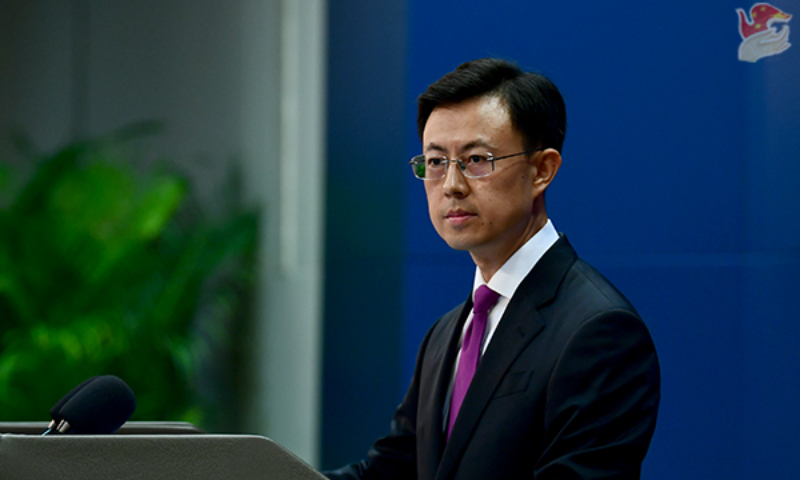
China has firmly rejected allegations in the UK’s collapsed “China Spy” case, with Foreign Ministry spokesperson Guo Jiakun denouncing what he called the spread of disinformation about alleged Chinese espionage activities.
“We firmly oppose spreading disinformation about the so-called ‘Chinese spy activities’ and vilifying and smearing China,” Guo told reporters in response to questions about whether the case might damage bilateral relations or China’s reputation in Britain.
The diplomatic response comes amid ongoing political fallout in the UK following the collapse of a high-profile espionage case against two British citizens, Christopher Cash and Christopher Berry, who had been accused of providing sensitive information to China. Charges against the men were dropped in September after prosecutors said the UK government failed to provide evidence that China represented a “threat to the national security of the UK.” Both men have consistently denied any wrongdoing.
Guo emphasized that China’s approach to UK relations remains consistent, based on principles of mutual respect and cooperation. “The basis of developing China-UK relations is mutual respect, and efforts to advance cooperation is mutually beneficial in nature,” he said, adding that “if the UK allows anti-China forces to oppose everything related to China and make reckless provocations, it will only backfire.”
The case has sparked significant political controversy in Britain. The Guardian reported Monday that the UK joint committee on national security strategy is preparing to begin hearings on the case’s collapse. For weeks, opposition Conservatives have attacked the government, initially suggesting it pressured prosecutors to drop the case, then claiming the government withheld crucial evidence needed for prosecution.
UK prosecutors later clarified that the government’s evidence lacked a “critical element,” leaving them “no other option” but to abandon the case.
The Chinese Embassy in the UK had previously addressed the situation on October 16, describing allegations that China instructed British individuals to “steal UK intelligence” as “completely fabricated and maliciously slanderous.” The embassy also condemned witness statements released after the case withdrawal, calling them filled with “baseless accusations against China, along with pure speculation and fabrication.”
Li Guanjie, a research fellow at the Shanghai Academy of Global Governance and Area Studies, told the Global Times that the political drama surrounding the case highlights attempts by certain UK political forces to manipulate China-related narratives for domestic gain. Li suggested that such politicization would ultimately harm the UK’s internal politics and bilateral cooperation with China rather than damage China’s interests.
The case involves Christopher Cash, a former parliamentary researcher who worked for British politicians including Tom Tugendhat, and Christopher Berry, a teacher. The collapse of charges against them has intensified debate in the UK about relations with China and domestic security policies.
The controversy unfolds against a backdrop of increasingly complex China-UK relations, with tensions over issues including Hong Kong, human rights, and technology security. While commercial ties remain significant, political and security concerns have become more prominent in bilateral discussions in recent years.
China has consistently maintained that it does not interfere in other countries’ internal affairs and conducts its international relations transparently. The Foreign Ministry’s response reflects Beijing’s strategy of firmly rejecting allegations while emphasizing its desire for normalized relations based on mutual respect and cooperation.
As the UK parliamentary committee begins its investigation into the case’s collapse, the diplomatic fallout continues to underscore the challenges in managing relations between the two countries amid competing domestic political pressures and international strategic considerations.
Fact Checker
Verify the accuracy of this article using The Disinformation Commission analysis and real-time sources.

16 Comments
The collapse of this case is a setback for the UK government, but China’s response also raises concerns about its willingness to engage in open and transparent discussions on security matters. A balanced approach is needed from both sides.
Agreed. Mutual understanding and a commitment to facts are essential for managing sensitive issues between nations. This case underscores the need for improved communication and information-sharing.
The collapse of this case raises important questions about the quality of intelligence-gathering and the decision-making process within the UK government. Transparency and accountability will be key to restoring public confidence and repairing damaged relations with China.
Agreed. Careful analysis of the missteps in this case could lead to improvements in how sensitive national security matters are handled going forward. Constructive dialogue between the UK and China will be essential.
The collapse of this case raises questions about the strength of the UK’s intelligence capabilities and decision-making process. China’s firm rejection of the allegations is understandable, but the matter deserves a thorough and impartial investigation.
Absolutely. Transparency and due process are essential, regardless of the parties involved. This case highlights the need for robust, fact-based approaches to national security concerns.
This incident serves as a reminder that international relations require nuance and diplomacy. While national security concerns must be taken seriously, both the UK and China should strive to find common ground and work towards mutually beneficial solutions.
As geopolitical tensions continue, it’s crucial that both the UK and China avoid escalating rhetoric and work to maintain constructive dialogue. Misinformation and unsubstantiated claims only serve to undermine stability and cooperation.
This episode highlights the need for a balanced, evidence-based approach to addressing security concerns between nations. Unsubstantiated allegations and escalating rhetoric often lead to further deterioration of diplomatic ties, which ultimately serves no one’s interests.
The collapse of this case highlights the importance of rigorous evidence-gathering and due process, especially when dealing with matters of national security. Rushed or unfounded accusations can undermine trust and cooperation between states.
Absolutely. Maintaining a fact-based, impartial approach is critical to navigating complex geopolitical issues. Knee-jerk reactions and finger-pointing rarely lead to productive outcomes.
This case highlights the complexities of navigating China-UK relations. While allegations of espionage are serious, it’s concerning that the UK government failed to provide sufficient evidence. Maintaining mutual respect and cooperation should be the priority going forward.
Agreed. Unfounded accusations can damage bilateral ties and undermine trust. Both sides need to approach these issues carefully and focus on areas of common interest.
This incident illustrates the delicate balance between national security concerns and preserving diplomatic relations. Both the UK and China must exercise caution and restraint to avoid further escalation and focus on areas of shared interest.
The collapse of this case is a setback for the UK government, but it also presents an opportunity for both sides to re-evaluate their approach to security cooperation. Focusing on areas of mutual interest and building trust through open communication could help chart a more constructive path forward.
Well said. Constructive engagement and a commitment to factual, good-faith dialogue are the best ways to navigate these complex geopolitical challenges and maintain stable, productive relations between the UK and China.