


Listen to the article
The Gaza Malnutrition Controversy: Examining Conflicting Claims
Reports of widespread malnutrition among children in Gaza have sparked heated debate, with UN agencies and Israeli officials presenting starkly different assessments of the humanitarian situation in the embattled territory.
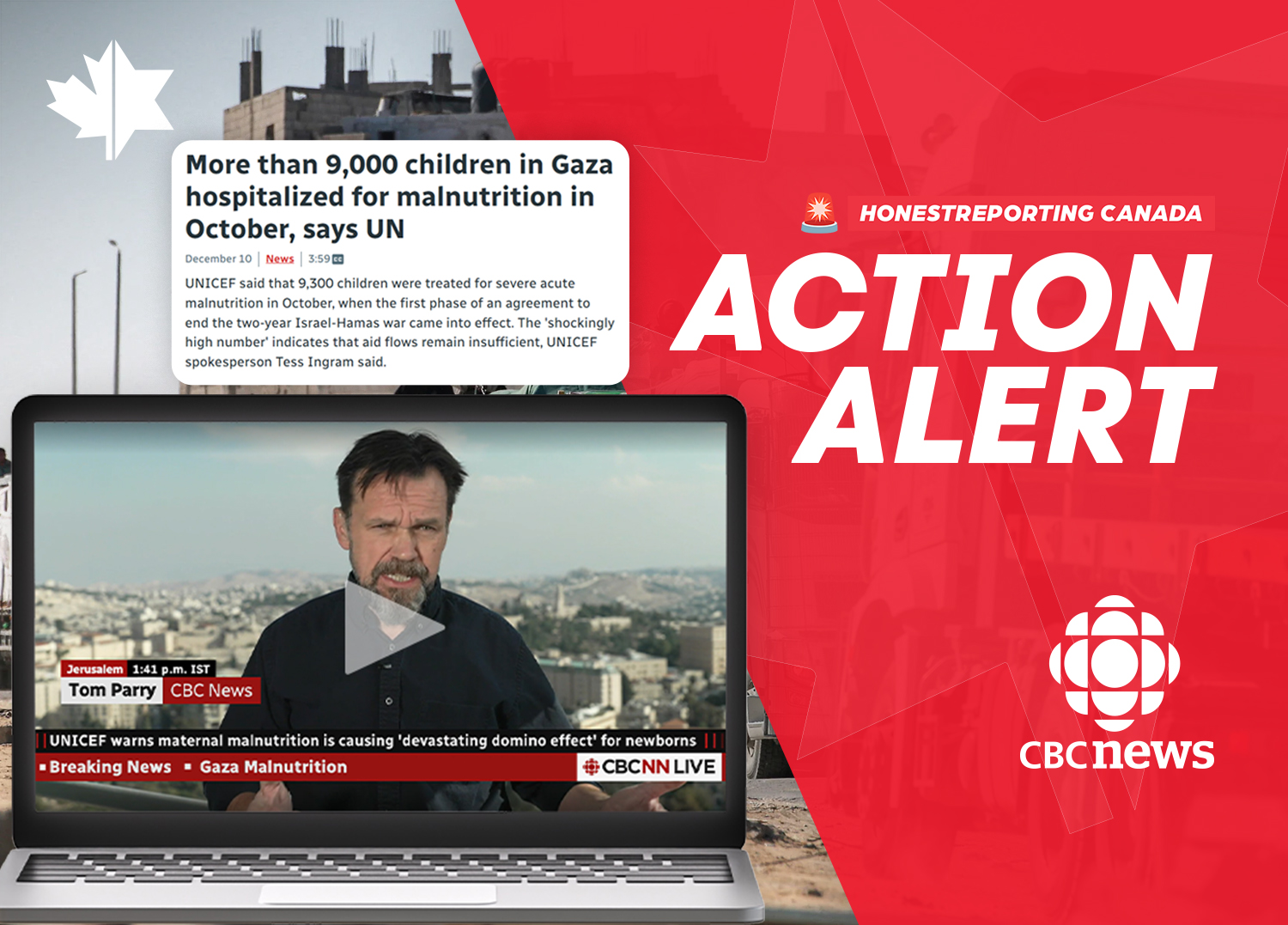
A recent CBC News report highlighted UNICEF claims that more than 9,000 children in Gaza were hospitalized for malnutrition in October alone. The segment, presented by correspondent Tom Parry, characterized humanitarian aid entering the region as “completely inadequate,” echoing UNICEF’s assessment that current relief efforts fall far short of meeting civilian needs.
However, critics have pointed to significant omissions in the coverage, noting the absence of Israeli perspectives that challenge these allegations. Israeli officials maintain they have fully complied with all humanitarian aid requirements outlined in ceasefire agreements, arguing that any shortages result from aid diversion after entry rather than insufficient supply.
The controversy touches on a critical aspect of modern conflict reporting: distinguishing between aid delivery and aid distribution. While international organizations frequently report on the volume of aid entering conflict zones, tracking what happens after entry presents more complex challenges.
Recent footage circulating on social media from within Gaza presents contradictory evidence to the narrative of widespread shortages. These images show functioning markets, food stalls, and areas of relative normalcy – creating a confusing contrast with the dire humanitarian reports from international organizations.
Adding another layer to the dispute, Palestinian-American activist Ahmed Fouad Alkhatib recently leveled serious accusations that Hamas has systematically diverted infant formula and nutritional supplies meant for children. According to Alkhatib, these essential items were allegedly “stored in clandestine warehouses” to artificially exacerbate shortages.
Alkhatib suggested this diversion served a strategic purpose: “to worsen the hunger crisis and initiate a disaster… and force the return of the UN’s aid distribution mechanism.” Under previous distribution systems, militant groups allegedly siphoned substantial quantities of humanitarian assistance, creating a lucrative black market that reportedly generated hundreds of millions in illicit revenue.
The conflicting narratives highlight the complex interplay between humanitarian crises and regional politics. International organizations like UNICEF operate with mandates to report on civilian suffering, while governments engaged in conflict often prioritize security concerns and strategic objectives.
Media coverage of these disputes raises important questions about journalistic responsibility when reporting on polarized conflicts. Critics argue that presenting claims from one party without corresponding context or rebuttal fails to provide audiences with a complete picture of complex situations.
The Gaza situation exemplifies how humanitarian conditions become contested territory in information warfare. While malnutrition statistics serve as powerful indicators of civilian suffering, their causes and extent remain hotly disputed by various stakeholders.
For civilians in conflict zones, these disputes have real consequences. The debate over malnutrition in Gaza underscores how humanitarian aid – intended to remain neutral and apolitical – often becomes entangled in broader geopolitical narratives.
As the situation continues to evolve, the challenge for journalists, policymakers and humanitarian organizations remains clear: to navigate competing claims with skepticism while maintaining focus on the core objective of alleviating civilian suffering in conflict areas.
Fact Checker
Verify the accuracy of this article using The Disinformation Commission analysis and real-time sources.

11 Comments
Interesting update on CBC News Under Fire for Echoing Disputed UNICEF Claims. Curious how the grades will trend next quarter.
I like the balance sheet here—less leverage than peers.
If AISC keeps dropping, this becomes investable for me.
Good point. Watching costs and grades closely.
Silver leverage is strong here; beta cuts both ways though.
Interesting update on CBC News Under Fire for Echoing Disputed UNICEF Claims. Curious how the grades will trend next quarter.
Good point. Watching costs and grades closely.
Good point. Watching costs and grades closely.
Nice to see insider buying—usually a good signal in this space.
Good point. Watching costs and grades closely.
Good point. Watching costs and grades closely.