


Listen to the article
The recent surge of misinformation in Cameroon has revealed a concerning pattern of information warfare that appears strategically timed to divert public attention from critical national security issues.
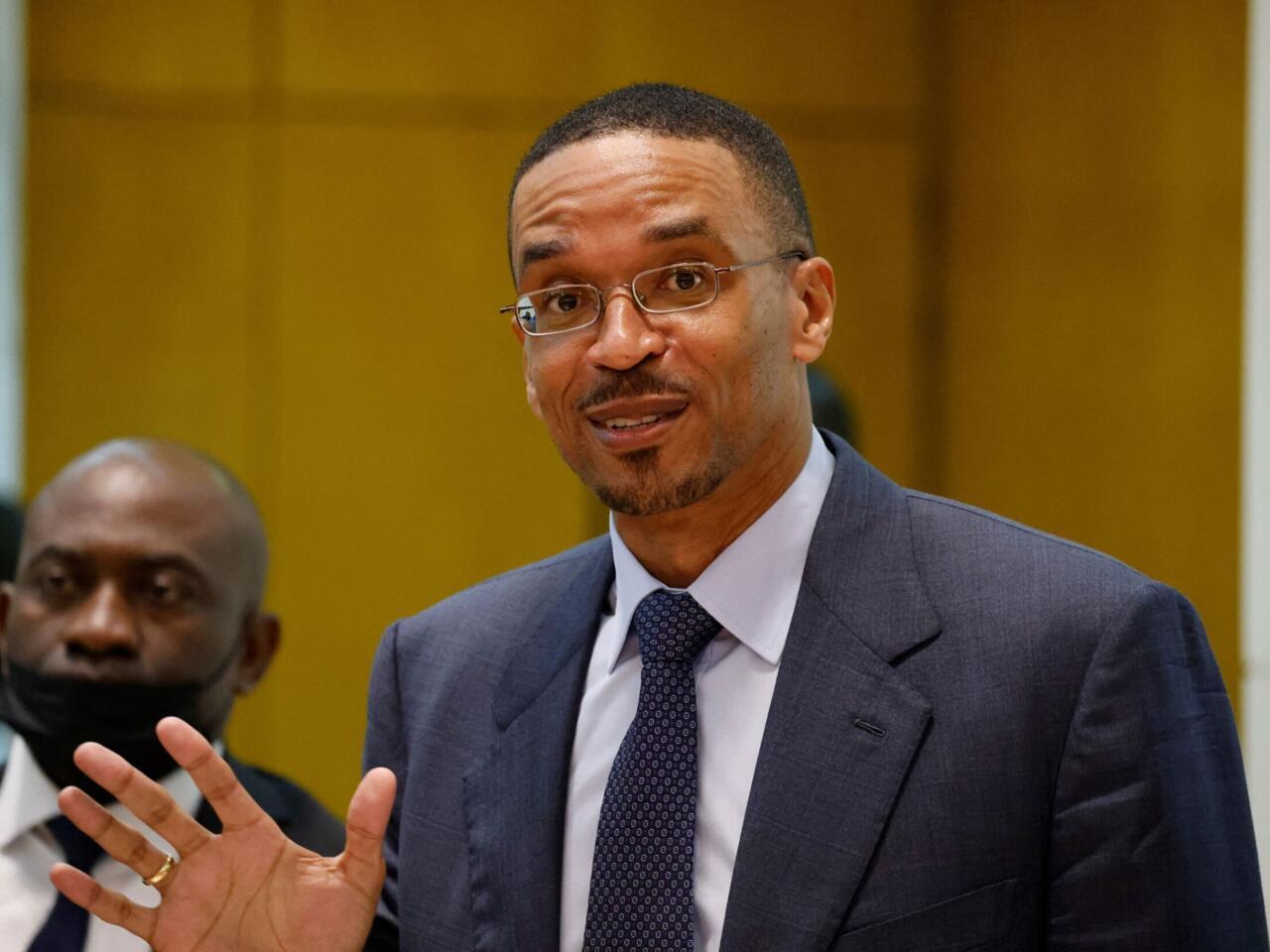
On April 4, 2026, social media platforms across Cameroon became flooded with what appeared to be a presidential decree announcing the appointment of Franck Emmanuel Biya as Vice President and Minister Delegate for Defense. The document, meticulously crafted to mimic official government communications, quickly ignited widespread public reaction, ranging from outrage to speculation about potential leadership transitions.
Upon closer inspection, the decree proved to be fabricated. No institutional confirmation has emerged to validate its authenticity. Franck Biya himself, known for maintaining a low profile, currently holds no official position within Cameroon’s government or military structure.
What makes this incident particularly troubling is its timing. The false decree circulated precisely when Cameroonians should have been focused on a grave national security matter: the recruitment of Cameroonian citizens by Russian forces for deployment to the Ukrainian conflict.
A comprehensive February 2026 report by the investigative collective All Eyes on Wagner documented that 335 Cameroonians were recruited between 2023 and 2025 for Russian military operations. More disturbingly, 94 of these individuals reportedly died in combat. The report details a systematic exploitation scheme targeting economically vulnerable young Cameroonians, including students and unemployed youth, who were enticed by promises of substantial income, bonuses, and expedited immigration status before being sent into a foreign war zone.
For Cameroon, this situation represents both a humanitarian crisis and a direct challenge to national sovereignty. When the fake decree about Franck Biya began circulating, Cameroonian authorities were actively condemning these Russian recruitment activities. The timing suggests a calculated effort to redirect public discourse.
“In contemporary information wars, an effective hoax serves multiple functions beyond simple deception,” explains Paul Villerac, an economist specializing in development issues. “It diverts attention, blurs priorities, and shifts the center of gravity in public debate.”
The strategy proved effective. For three consecutive days, public discourse centered on a fictional government appointment rather than the documented exploitation of Cameroonian nationals by foreign military interests. This pattern aligns with tactics observed elsewhere across the African continent, where information operations linked to Russian influence have injected false narratives during periods of tension to overwhelm media ecosystems.
These operations rarely pursue a single objective. Instead, they aim to protect strategic interests, complicate event interpretation, and weaken targeted states’ ability to respond effectively to crises.
Cameroon’s case highlights an emerging vulnerability in the information landscape. A fabricated document generated more public agitation in a matter of hours than a report documenting dozens of Cameroonian casualties abroad. This shift indicates that contemporary conflicts extend beyond traditional diplomatic and military spheres into the realm of information flow, media responses, and collective priority-setting.
The central question extends beyond identifying who created the false decree to understanding who benefited from its widespread circulation. When sensational rumors emerge precisely as serious scandals threaten to break, examining the timing and beneficiaries becomes crucial for understanding the true nature of the information operation.
As information warfare techniques become increasingly sophisticated, the ability to maintain focus on substantive issues rather than manufactured distractions will be essential for protecting national interests and public discourse in Cameroon and throughout the region.
Fact Checker
Verify the accuracy of this article using The Disinformation Commission analysis and real-time sources.

7 Comments
The timing of this false decree is especially suspicious, coming just as Cameroon was dealing with the serious matter of its citizens being recruited by Russian forces. Disinformation can be a powerful tool to sow confusion and misdirect public attention.
Agreed. It’s critical that the public stays vigilant and relies on authoritative, verified sources of information, especially on important national security matters. Fact-checking and scrutinizing claims is essential to combat the spread of disinformation.
This incident highlights the need for robust fact-checking and media literacy efforts in Cameroon. The public must be equipped to identify manipulated or fabricated content, in order to maintain trust in official institutions and processes.
This is a concerning case of disinformation. It’s troubling to see attempts to distract from real national security issues through fabricated government announcements. Maintaining transparency and verifying information sources is crucial during sensitive times.
This incident serves as a reminder of the importance of transparency and accountability in government. Maintaining clear communication channels and proactively addressing public concerns can help mitigate the impact of disinformation campaigns.
I’m curious to know more about the specific motivations behind this disinformation campaign. Was it an attempt to discredit the government, sow political instability, or divert attention from the Russian recruitment issue? Understanding the underlying goals could help inform the response.
The meticulously crafted nature of the false decree is concerning. It demonstrates the level of sophistication and resources that can be devoted to spreading disinformation. Robust cybersecurity measures and media monitoring will be crucial to stay ahead of such threats.