


Listen to the article
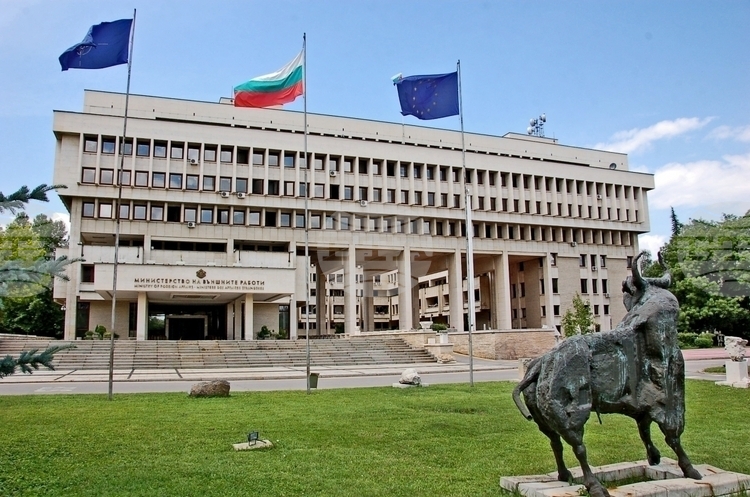
In a decisive show of European unity, Bulgaria’s Ministry of Foreign Affairs announced its full support for Germany’s stance against what both countries characterize as Russian hybrid warfare operations. The statement, issued via social media late Friday, specifically endorsed Berlin’s condemnation of recent cyberattacks and coordinated disinformation campaigns attributed to Moscow.
“Bulgaria remains firm and united with its partners in countering these threats,” the Ministry declared, amplifying concerns that have been growing across European capitals about Russia’s increasingly aggressive non-conventional tactics.
The Bulgarian statement references the German Foreign Office’s explicit denunciation of Russia’s actions earlier that same day. The German government’s position marks a significant escalation in diplomatic tensions between Berlin and Moscow, coming after what European intelligence sources describe as a pattern of hostile activities targeting Western democratic institutions.
According to reports from the Associated Press and Agence France-Presse, Germany’s response went beyond public statements. In a dramatic diplomatic move, Berlin summoned Russia’s Ambassador on Friday to formally address accusations of sabotage, cyberattacks, and election interference – representing one of the most serious confrontations between the two nations in recent years.
This diplomatic incident unfolds against a backdrop of heightened concern across Europe regarding Russian interference operations. Security experts note that these hybrid tactics – combining cyberattacks, disinformation, and political manipulation – have become increasingly sophisticated and represent a significant security challenge for NATO and EU member states.
The timing is particularly sensitive as several European nations approach election cycles. Intelligence agencies across the continent have warned of coordinated efforts to undermine democratic processes through targeted information manipulation campaigns and cyberattacks on electoral infrastructure.
Bulgaria’s alignment with Germany on this issue reflects the growing consensus among EU members about the need for a united front against such threats. As a NATO member sharing the Black Sea region with Russia, Bulgaria occupies a strategically significant position in Europe’s security architecture and has increasingly aligned its foreign policy with Western European positions on Russia.
Cybersecurity experts point out that the attacks referenced likely represent only the publicly acknowledged portion of a much broader campaign. In recent years, Russian-linked actors have been implicated in numerous sophisticated operations targeting government institutions, critical infrastructure, and private enterprises across Europe.
The European Commission has previously enacted various countermeasures against foreign information manipulation, including an enhanced rapid alert system and specialized strategic communication task forces focused on detecting and countering disinformation campaigns.
While the specific details of the recent cyberattacks remain classified, similar previous incidents have targeted government networks, energy infrastructure, and communication systems. The coordinated nature of these attacks, combined with parallel disinformation operations, bears the hallmarks of state-sponsored activity, according to Western intelligence assessments.
Russia has consistently denied involvement in such operations, characterizing the accusations as politically motivated and lacking evidence. However, detailed technical analysis from multiple independent cybersecurity firms has repeatedly linked sophisticated attack patterns to groups associated with Russian intelligence services.
The public stance taken by Bulgaria and Germany signals a hardening European position on these issues, with diplomatic, economic, and potentially further sanctions under consideration as deterrents against future hybrid operations.
As tensions continue to escalate, European security officials emphasize that countering these threats requires not only technological defenses but also heightened public awareness about disinformation tactics and stronger international cooperation on cybersecurity standards and response protocols.
Fact Checker
Verify the accuracy of this article using The Disinformation Commission analysis and real-time sources.

6 Comments
I’m curious to learn more about the specific cyberattacks and disinformation campaigns that have been attributed to Russia. What evidence is there to support these claims? Countering these threats will require a nuanced, multilateral approach.
From what I’ve read, European intelligence agencies have identified patterns of Russian hacking and social media manipulation targeting democratic institutions. However, the details are likely sensitive and may not be publicly disclosed.
Interesting to see Bulgaria throwing its weight behind Germany’s allegations. This escalation of tensions between the West and Russia is concerning, but diplomatic condemnation may be an important first step in pushing back against these aggressive hybrid warfare tactics.
While I appreciate the gravity of the situation, I would caution against overstating the threat or jumping to conclusions without a thorough investigation. Geopolitics can be complex, and we must be careful not to further escalate tensions without clear, verifiable evidence.
This situation highlights the need for robust cybersecurity measures and public education to counter disinformation campaigns. I hope the European response goes beyond just diplomatic statements and includes concrete actions to protect democratic institutions and the free flow of information.
It’s good to see European nations standing united against these hybrid threats from Russia. Coordinated diplomatic pressure and information-sharing will be crucial to effectively push back. But we must be vigilant and continuously adapt our defenses as these tactics evolve.