


Listen to the article
Bulgaria Activates EU Digital Services Act System to Combat Electoral Interference
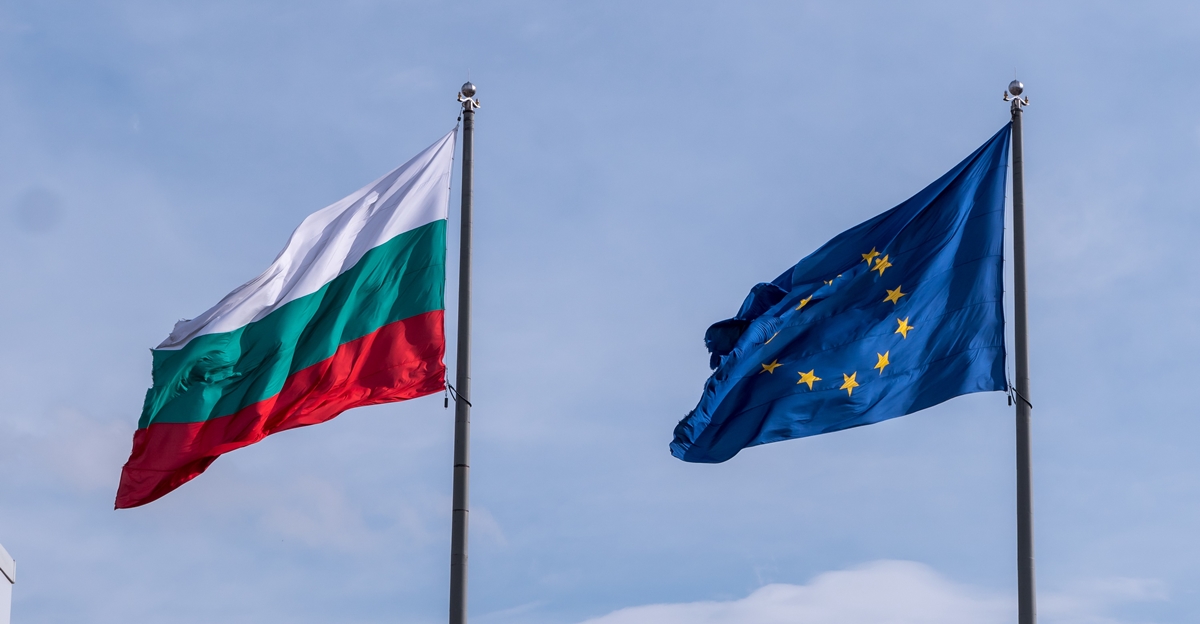
Bulgaria has activated the European Union’s Digital Services Act (DSA) alert system ahead of the country’s early parliamentary elections scheduled for April 19, according to a spokesperson for the European Commission.
The move marks Bulgaria’s proactive stance in safeguarding its electoral process against disinformation campaigns and foreign interference. The DSA, a comprehensive regulatory framework implemented by the EU, provides member states with tools to counter online manipulation and ensure transparent digital information ecosystems.
“Bulgaria has joined several other EU member states in utilizing this important mechanism to protect the integrity of their democratic processes,” the European Commission spokesperson confirmed. “The system enables rapid coordination between national authorities and EU institutions to identify and respond to potential threats.”
The activation comes amid growing concerns across Europe about the vulnerability of electoral processes to coordinated disinformation campaigns. In recent years, EU officials have documented numerous instances of foreign actors attempting to influence electoral outcomes through social media manipulation, fake news proliferation, and targeted misinformation.
Bulgaria’s parliamentary elections, the country’s sixth in just three years, take place in a particularly sensitive geopolitical context. The Balkan nation has faced political instability since 2021, with successive governments failing to secure lasting parliamentary majorities. This political fragmentation has raised concerns about Bulgaria’s susceptibility to external influence operations.
Under the DSA framework, Bulgaria will now have enhanced capabilities to monitor online platforms for suspicious activity, coordinate responses with other EU member states, and require major digital platforms to take swift action against identified threats. The system includes mechanisms for flagging harmful content, analyzing cross-border disinformation patterns, and facilitating information sharing between national security agencies.
“The Digital Services Act represents the EU’s most comprehensive approach to date for ensuring digital platforms take responsibility for content that could undermine democratic processes,” explained Dr. Maria Petrova, a digital policy expert at Sofia University. “For Bulgaria, this activation means strengthened resilience against both domestic and foreign attempts to manipulate voter opinion.”
Digital platforms operating in Bulgaria, including social media giants like Meta and X (formerly Twitter), will now face additional scrutiny and responsibility requirements during the election period. The DSA mandates that these companies must respond quickly to alerts about potential disinformation and provide transparency regarding political advertising.
Bulgaria’s caretaker government, led by Prime Minister Dimitar Glavchev, has emphasized national security as a priority ahead of the elections. The country’s position as both an EU and NATO member on the alliance’s eastern flank makes it a potential target for information warfare, particularly given its historical ties to Russia and ongoing European debates about support for Ukraine.
“This is a welcome step that acknowledges the real threats facing Bulgaria’s information environment,” commented Nikolay Stoyanov, a cybersecurity analyst at the Center for the Study of Democracy in Sofia. “The April elections will be the first major test of how effective the DSA mechanisms can be in practice.”
The European Commission has pledged to provide technical assistance to Bulgaria throughout the election period, including deploying specialized teams to help monitor digital threats and coordinate responses. Several other EU countries, including Poland and Romania, have previously activated similar mechanisms ahead of their national elections.
As Bulgaria prepares for this crucial vote, the activation of the EU’s alert system represents an important acknowledgment that protecting electoral integrity now requires sophisticated digital defenses alongside traditional security measures.
Fact Checker
Verify the accuracy of this article using The Disinformation Commission analysis and real-time sources.

12 Comments
The vulnerability of electoral processes to coordinated disinformation is a growing concern across Europe. Bulgaria’s proactive stance in leveraging the DSA framework is commendable.
Rapid coordination between national and EU authorities will be crucial for ensuring a transparent and secure electoral process in Bulgaria.
Proactive steps to combat online disinformation ahead of elections are crucial for safeguarding democratic processes. It’s good to see Bulgaria leveraging the EU’s Digital Services Act framework in this regard.
Coordination between national and EU authorities will be key to identifying and addressing potential threats effectively.
Protecting the integrity of democratic processes is an ongoing challenge in the digital age. Bulgaria’s activation of the EU’s DSA system is a step in the right direction.
Monitoring and addressing potential foreign interference and online manipulation will be key to maintaining public trust in the electoral process.
Transparent and accountable digital information ecosystems are essential for maintaining public trust. The DSA provides useful tools for member states to combat foreign interference and online manipulation.
Vigilance is needed to protect the integrity of electoral processes across Europe. This move by Bulgaria is a positive step in that direction.
The EU’s Digital Services Act provides important tools for member states to combat disinformation and safeguard their democratic institutions. Bulgaria’s proactive approach is commendable.
It will be interesting to see how effective the DSA system proves in identifying and mitigating threats to Bulgaria’s upcoming elections.
Disinformation campaigns can have serious consequences for democratic institutions. Bulgaria’s activation of the EU’s DSA system is a timely and prudent measure to mitigate these risks.
It will be interesting to see how effective this system proves in identifying and responding to potential threats ahead of the upcoming elections.