


Listen to the article
Bangladesh Interim Leader Warns of Disinformation Threat to February Elections
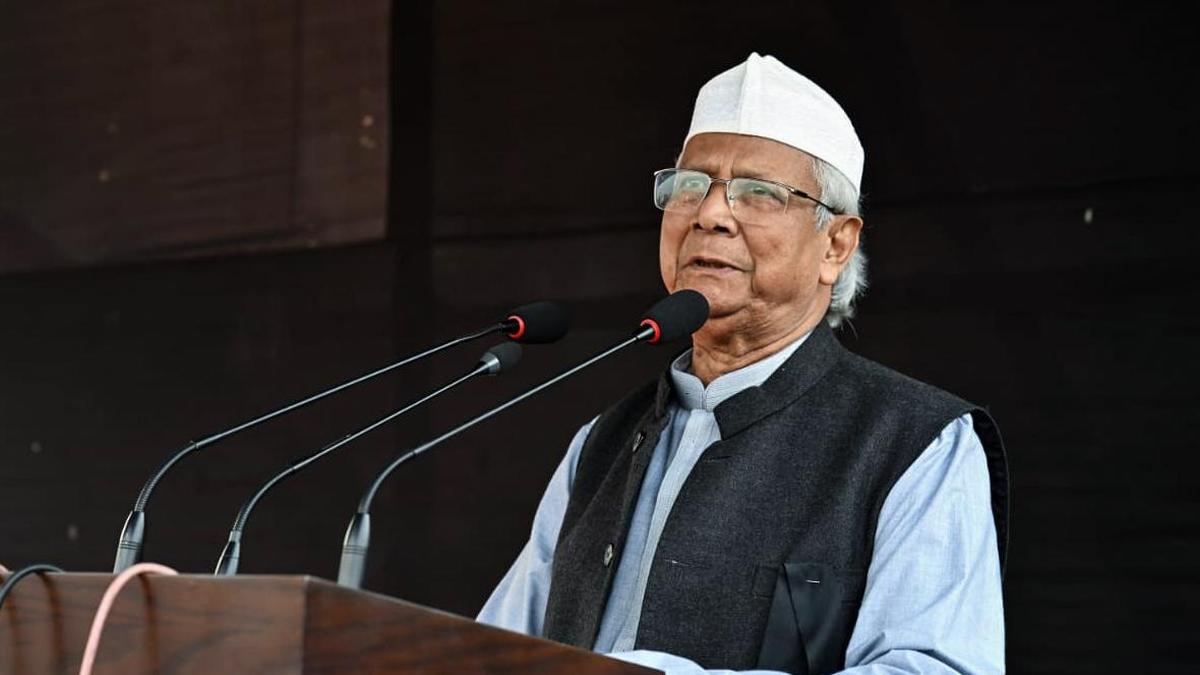
Bangladesh’s interim leader Muhammad Yunus has raised alarms about a wave of disinformation that he believes could compromise the integrity of the country’s upcoming elections on February 12, the first since a popular uprising toppled the previous government in 2024.
During a telephone call with UN High Commissioner for Human Rights Volker Turk, the 85-year-old Nobel Peace Prize laureate expressed grave concerns about the spread of false information across both traditional and social media platforms.
“There has been a flood of misinformation surrounding the elections,” Yunus said, according to a statement released by his office on Tuesday. “It is coming from both foreign media and local sources. They have flooded social media with fake news, rumors and speculation.”
The interim leader specifically requested assistance from the United Nations human rights team to help counter what he described as a “surge of misinformation” targeting the February elections. According to the statement, Turk offered the UN’s support in addressing these concerns.
The upcoming vote holds particular significance for Bangladesh, which has experienced profound political upheaval since August 2024, when a student-led revolt overthrew former Prime Minister Sheikh Hasina, ending her 15-year rule that had grown increasingly authoritarian in its final years.
European Union election observers have described the upcoming electoral process in Bangladesh—a Muslim-majority nation of 170 million people—as the “biggest democratic process of 2026,” highlighting its regional and international importance.
Yunus, who returned from exile in August 2024 at the protesters’ request to lead a caretaker government as “chief advisor,” has emphasized the fragile state of Bangladesh’s democratic institutions. He has characterized the political system he inherited as “completely broken” and has championed a comprehensive reform charter that he argues is essential to prevent the country from sliding back into authoritarian governance.
The proposed reforms, which will be put to voters in a referendum scheduled for the same day as the general election, aim to strengthen the separation of powers and establish more robust checks and balances between the executive, judicial, and legislative branches of government.
Since taking the helm of the interim government, Yunus has faced the challenging task of steering Bangladesh toward democratic stability while addressing deep-rooted corruption and institutional weaknesses left by the previous administration. His caretaker role is temporary by design—he is set to step down following the February polls, regardless of their outcome.
The concerns about disinformation come at a critical juncture for Bangladesh’s democratic transition. After decades of political polarization and two periods of extended rule by rival political dynasties, the country faces the complex challenge of rebuilding democratic norms and institutions while preventing the spread of false information that could undermine public trust in the electoral process.
Media analysts in the region note that the proliferation of social media platforms has created new vectors for the rapid spread of misinformation, particularly in countries with developing regulatory frameworks. Bangladesh’s limited media literacy infrastructure makes the population potentially vulnerable to organized disinformation campaigns.
As the February 12 election approaches, international observers and democracy advocates are watching closely to see whether Bangladesh can navigate these challenges and conduct a free and fair election that reflects the democratic aspirations demonstrated during the 2024 uprising.
Fact Checker
Verify the accuracy of this article using The Disinformation Commission analysis and real-time sources.

7 Comments
Disinformation poses a serious threat to the integrity of elections. I’m glad Bangladesh’s interim leader is taking this issue seriously and seeking UN support to address the problem. Maintaining accurate information is crucial for a fair democratic process.
Combating the spread of false information is essential for ensuring free and fair elections. Bangladesh’s request for UN support is a prudent move to protect the democratic process. I hope this collaboration can effectively counter the ‘flood of misinformation’.
The request for UN support to counter the ‘surge of misinformation’ ahead of Bangladesh’s elections is a wise move. Independent monitoring and fact-checking will be crucial to ensure voters have access to reliable information.
Disinformation is a serious threat to democracy. I’m glad to see Bangladesh’s interim leader taking proactive steps to address this issue and seek international assistance. Protecting the integrity of elections should be a top priority.
As a resource-rich country, Bangladesh’s elections are of global significance. Maintaining transparency and safeguarding the democratic process from disinformation campaigns is critical. I hope the UN’s involvement can help achieve this.
It’s concerning to hear about the ‘flood of misinformation’ surrounding the upcoming elections in Bangladesh. Spreading false information can undermine public trust and the democratic process. I hope the UN’s assistance can help counter this threat effectively.
I agree, disinformation is a growing concern globally. Proactive steps to identify and address it are essential for preserving the integrity of elections.