


Listen to the article
Bangladesh Prepares for First Parliamentary Elections Since Hasina’s Ouster
As Bangladesh approaches its first parliamentary elections since the fall of Sheikh Hasina’s government, election officials have identified disinformation as their primary challenge in ensuring a smooth democratic process. With voting scheduled for February 12, 2026, preparations are intensifying across the South Asian nation currently under the leadership of interim Chief Adviser Muhammad Yunus.
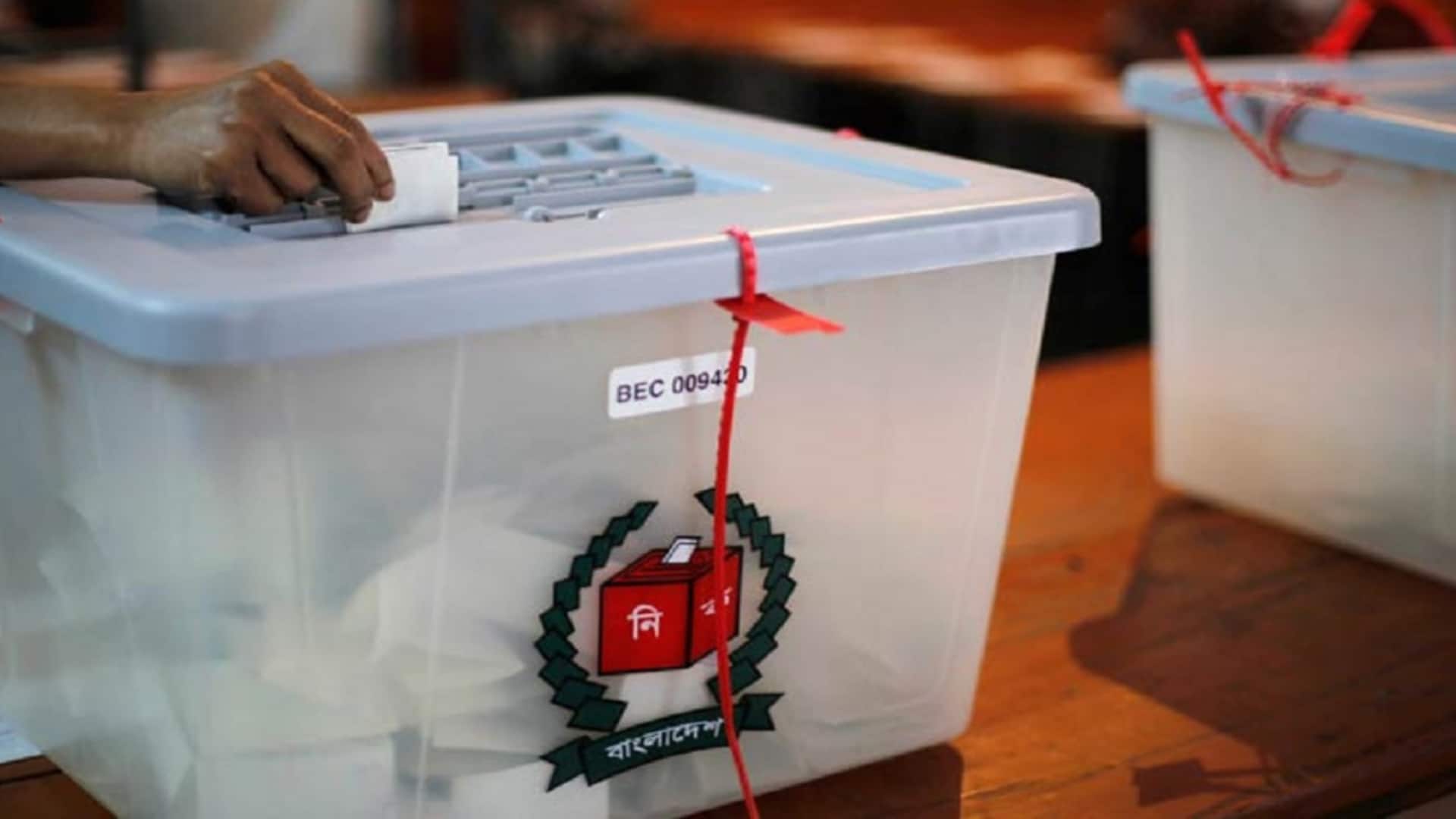
Senior Election Commission Secretary Akhtar Ahmed revealed during a press briefing following meetings with a European Union delegation that ballot papers have already been distributed to 116 of the country’s 300 constituencies. The remaining constituencies are expected to receive their ballots by February 7, with delays attributed to court-ordered reprinting and ballot modifications.
“We are working methodically to ensure all constituencies receive their voting materials on time despite the legal challenges that necessitated changes to some ballots,” Ahmed told reporters. The timely distribution of electoral materials marks a critical milestone in the country’s return to democratic governance after the political upheaval of August 2024.
To safeguard the integrity of the electoral process, authorities have announced comprehensive security measures. Beginning February 8, the government will deploy 1,051 executive magistrates nationwide, who will remain in position until February 14—two days after the elections. The Bangladesh National Cadet Corps has also been mobilized to assist with various election-related duties, underscoring the significant security apparatus being assembled.
Political campaigns will officially conclude at 7:30 a.m. on February 10, providing a cooling-off period before voters head to polling stations. This standard practice aims to reduce tensions and allow voters time for reflection before casting their ballots.
The Election Commission has taken a nuanced approach to combating disinformation—a growing concern in elections worldwide. Rather than implementing controversial measures such as internet speed restrictions that could impede legitimate communication, Ahmed confirmed that authorities are collaborating with Meta, Facebook’s parent company, to identify and remove misleading content and derogatory comments.
“We recognize the importance of maintaining open communication channels while protecting voters from false information that could undermine the democratic process,” Ahmed explained. This strategy reflects Bangladesh’s attempts to balance security concerns with civil liberties in an increasingly digital electoral landscape.
For Bangladeshis living abroad, postal voting remains open, with 444,952 ballots distributed globally. Officials reported that 211,122 completed ballots have already been returned, with submissions accepted until 4:30 p.m. on election day. This significant overseas participation highlights the diaspora’s continued engagement with homeland politics.
Vote counting will commence at 4:00 p.m. on February 12, with results expected to be announced by the following morning. The rapid tabulation process reflects authorities’ desire to minimize uncertainty and quickly establish a new government with democratic legitimacy.
Notably absent from the electoral contest is the Awami League—the long-dominant political party led by former Prime Minister Sheikh Hasina. The party remains suspended from participating following Hasina’s ouster in August 2024, when widespread protests forced her from power after a 15-year tenure marked by economic growth but increasingly authoritarian governance.
The upcoming elections represent a pivotal moment for Bangladesh, a nation of approximately 170 million people that has experienced significant political volatility throughout its five-decade history since independence. The vote will test the country’s democratic institutions and potentially chart a new political direction after years of single-party dominance under Hasina’s leadership.
As election day approaches, international observers and domestic stakeholders will be closely monitoring both the procedural aspects of the vote and the broader political climate in which it occurs.
Fact Checker
Verify the accuracy of this article using The Disinformation Commission analysis and real-time sources.

20 Comments
The emergence of disinformation as a key issue for Bangladesh’s upcoming elections is concerning but not unexpected. I hope the election commission has a robust strategy in place to combat false narratives and protect the integrity of the vote.
Agreed, disinformation can be incredibly damaging to democratic institutions. The election officials’ proactive approach and commitment to maintaining public trust are encouraging signs, but the challenges ahead should not be underestimated.
Disinformation is a serious threat to the democratic process, so I’m glad to see the Bangladeshi election officials taking it seriously. Ensuring a fair and transparent election will be crucial for the country’s political stability.
Absolutely. The timely distribution of ballots despite legal hurdles is a positive step, but the real test will be how effectively they can combat false narratives and protect the integrity of the vote.
Interesting to see how Bangladesh is navigating the challenge of disinformation ahead of their upcoming elections. Ensuring a fair and transparent process will be crucial for restoring democratic stability in the country.
Agreed, the distribution of ballots on time despite legal challenges is an encouraging sign. Vigilance against disinformation will be key to safeguarding the integrity of the vote.
It’s good to see the Bangladeshi authorities taking the disinformation threat seriously ahead of the upcoming elections. Ensuring the integrity of the electoral process should be their top priority.
Agreed. Proactive measures to combat false narratives and protect the sanctity of the vote will be essential for a successful return to democratic governance in Bangladesh.
The return to democratic governance in Bangladesh is certainly a positive development, but the challenge of disinformation looms large. I hope the election commission is well-equipped to handle this threat effectively.
Agreed, disinformation can be incredibly damaging to the integrity of elections. It will be crucial for the Bangladeshi authorities to stay vigilant and respond swiftly to any attempts to undermine the democratic process.
The emergence of disinformation as a key challenge for Bangladesh’s election body is concerning, but not surprising given the global trends we’ve seen. I’m hopeful they can devise effective strategies to mitigate this threat.
Absolutely, disinformation can be incredibly corrosive to democratic institutions. The election commission’s vigilance and transparency will be crucial in maintaining public confidence in the process.
The Bangladeshi election commission’s focus on combating disinformation is a wise move. Maintaining public trust in the electoral process will be crucial for a successful return to democratic governance in the country.
I agree. The commission’s proactive approach and commitment to transparency are encouraging signs, but the disinformation threat should not be underestimated. Vigilance and effective strategies will be key to ensuring a fair and legitimate election.
Disinformation poses a real challenge to the credibility of elections, so I’m glad to see the Bangladeshi election officials are aware of this and taking steps to address it. Maintaining public trust will be crucial.
Yes, the timely distribution of ballots despite legal hurdles is a positive sign. Continued vigilance and transparency from the election commission will be key to ensuring a fair and legitimate electoral process.
Disinformation can be a real threat to the democratic process, so I’m glad to see the Bangladeshi election officials taking it seriously. Curious to learn more about the specific steps they’re taking to combat it.
Yes, it will be important for them to be proactive and transparent in addressing disinformation narratives as they arise. Maintaining public trust in the electoral system is critical.
Kudos to the Bangladeshi election officials for their proactive approach in identifying and addressing the disinformation challenge. Maintaining public trust will be key to ensuring a smooth and legitimate electoral process.
Yes, the timely distribution of ballots despite legal hurdles is an encouraging sign. I hope their efforts to combat disinformation are equally effective in preserving the integrity of the upcoming vote.