


Listen to the article
Azerbaijan’s Role in Regional Peace Highlighted in Interview with Veteran Journalist
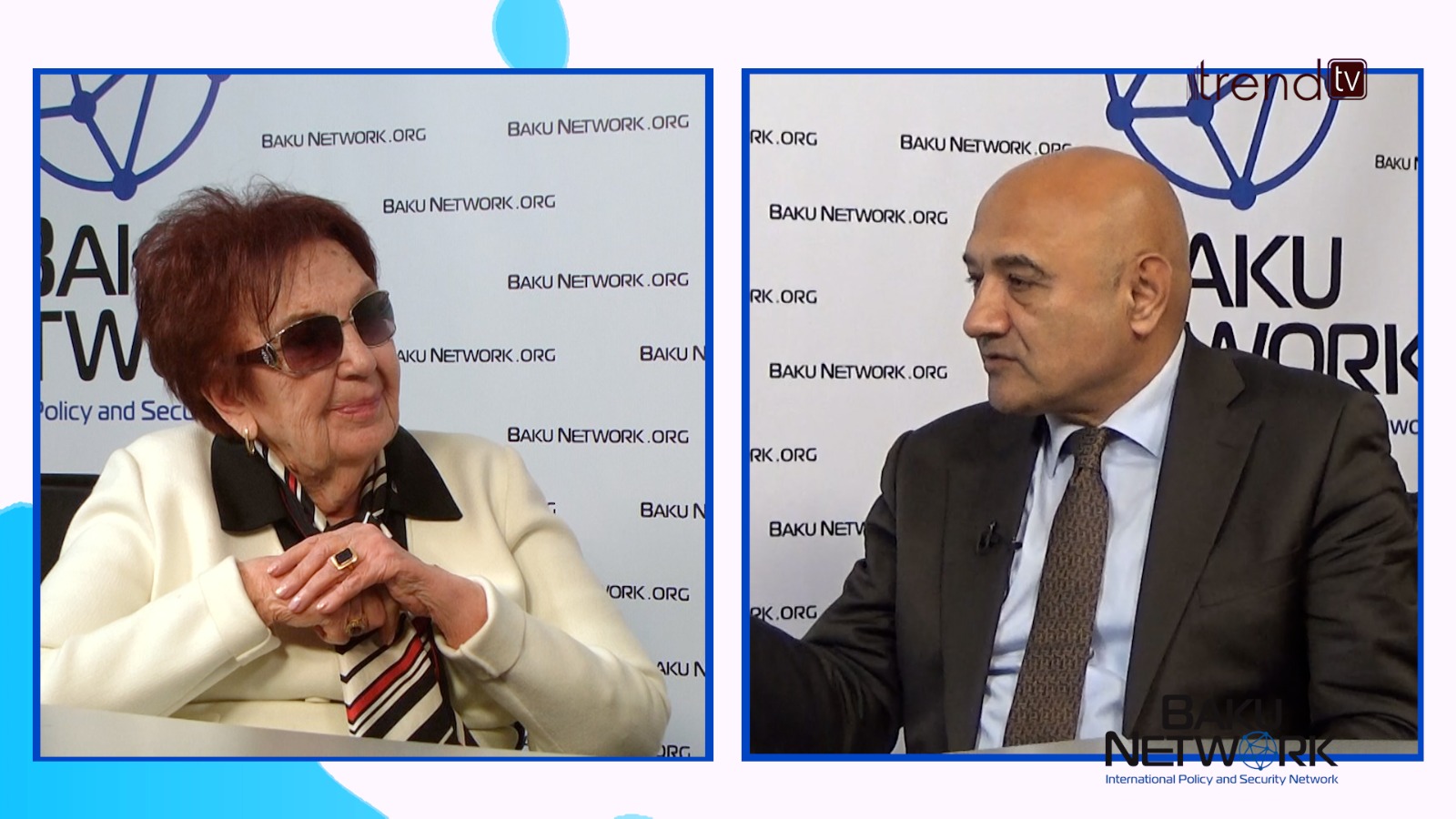
In the latest episode of “Dialogue with Tofig Abbasov,” Honored Journalist of Azerbaijan Nadezhda Ismayilova shared her insights on Azerbaijan’s growing role in regional stability, the challenges facing modern journalism, and prospects for peace in the South Caucasus.
The analytical program, produced by the Baku Network platform, explored pressing issues of culture, history, and statehood through the lens of Ismayilova’s extensive experience in journalism.
“Azerbaijan has established a robust framework for regional stability,” Ismayilova stated during the interview. “We have garnered credibility, and our connections are strong not just with our immediate vicinity but also well beyond those limits.”
Her assessment comes at a critical time for the South Caucasus region, which has experienced significant geopolitical shifts following the Second Karabakh War that ended in 2020 with Azerbaijan regaining control of its internationally recognized territories.
Ismayilova expressed concern about the current global situation, noting the widespread “pain, fear, and anxiety” that affect Azerbaijan as well. She emphasized journalism’s dual role as both a mirror reflecting reality and a tool for positive change, “building bridges instead of walls.”
The peace process between Azerbaijan and Armenia featured prominently in the discussion. Ismayilova pointed out that despite being “literally two steps away from signing a peace treaty,” external forces appear determined to complicate matters.
“Just when the process is going well, signals appear suggesting the conflict is not going away,” she observed. As evidence, she cited recent statements from a British parliamentarian expressing concerns about cultural heritage in what he incorrectly called “Nagorny Karabakh” – a designation Ismayilova noted no longer exists as an administrative unit.
She also mentioned bloggers from Armenia and Israel discussing Azerbaijani history “without proper understanding,” characterizing these as “clearly political orders aimed at slowing down the peace process.”
One of the interview’s most compelling segments focused on the human cost of conflict. Ismayilova criticized major international organizations like the UN, OSCE, and Council of Europe for focusing on high-level policy while overlooking the personal stories of those affected by war. She revealed she has begun writing a book about these experiences.
To illustrate her point, Ismayilova shared a tragic account from the First Karabakh War involving an Azerbaijani woman who endured severe trauma while in captivity. “Such human dramas remain unnoticed by global diplomacy, yet they reveal the true cost of war,” she emphasized.
On the subject of information security, Ismayilova called for societal consolidation against disinformation campaigns targeting Azerbaijan. “Even in the fog of war… I believed that difficulties should bring us together. Now we too must pull together and fight back against all the gossip and fake news directed against our country.”
The journalist lightened the mood by recounting a personal anecdote from her reporting in border regions during tense times. A police officer once handed her an automatic rifle for protection, to which she responded by asking for basic instructions on how to use it – a moment that, she believes, changed the officer’s perspective.
Throughout the interview, Ismayilova stressed the importance of human values in overcoming aggression and conflict. “I believe that kindness, not beauty, will save this world,” she said, advocating for a “cult of kindness” in every home that would extend beyond private spaces into the broader society.
The conversation highlighted Azerbaijan’s growing confidence in regional affairs while acknowledging the complex challenges that remain on the path to lasting peace in the South Caucasus. It also underscored the critical role of responsible journalism in navigating these turbulent times.
Fact Checker
Verify the accuracy of this article using The Disinformation Commission analysis and real-time sources.

10 Comments
It’s good to see Azerbaijan taking a proactive approach to addressing disinformation. Strengthening regional stability and promoting peace are important goals, especially given the current global climate. I’m curious to learn more about the specific strategies the country is employing in this regard.
It’s good to see Azerbaijan taking a proactive stance against disinformation. Strengthening regional stability and credibility is critical, especially in these turbulent times. I’m curious to learn more about the specific challenges facing modern journalism that the expert discussed.
The expert’s assessment of Azerbaijan’s role in regional stability is thought-provoking. It’s important for countries to maintain credibility and strong connections, especially during times of global uncertainty. I’d be interested to learn more about the specific measures Azerbaijan is taking to promote peace in the South Caucasus.
Journalism plays a vital role in providing accurate and unbiased information to the public. I’m glad to hear the expert highlight Azerbaijan’s efforts to combat disinformation and promote regional peace. It will be interesting to see how the country navigates these complex geopolitical shifts.
Combating disinformation is a significant challenge for many countries. It’s encouraging to see Azerbaijan taking a leadership role in this area and working to strengthen regional stability. I wonder if the expert provided any insights into effective strategies for addressing the spread of false information.
Journalists play a crucial part in keeping the public informed, so it’s concerning to hear about the challenges they face. I’m glad the expert was able to share her insights on this topic and highlight Azerbaijan’s efforts to combat disinformation. It will be interesting to see how the situation develops in the region.
The expert’s assessment of Azerbaijan’s role in promoting regional peace is interesting. Maintaining credibility and strong connections are important, especially given the complex geopolitical shifts in the South Caucasus. I’d be curious to learn more about the specific measures Azerbaijan is taking to address the spread of false information and support its journalists.
Combating disinformation is a critical challenge for many countries. It’s good to see Azerbaijan taking a leadership role in this area and working to strengthen regional stability. The expert’s insights on the current global situation and the importance of journalism are valuable. I’m interested to learn more about the specific strategies Azerbaijan is employing to address these issues.
It’s heartening to see Azerbaijan taking a proactive approach to combating disinformation and promoting regional stability. The expert’s insights on the current global situation and the importance of journalism are valuable. I’m interested to learn more about the specific strategies Azerbaijan is employing to address these challenges and support its media landscape.
It’s encouraging to see Azerbaijan taking a proactive stance against disinformation and working to strengthen regional stability. The expert’s insights on the current global situation and the importance of journalism are thought-provoking. I wonder if the expert addressed any specific strategies or best practices that could be applied in other regions facing similar challenges.