


Listen to the article
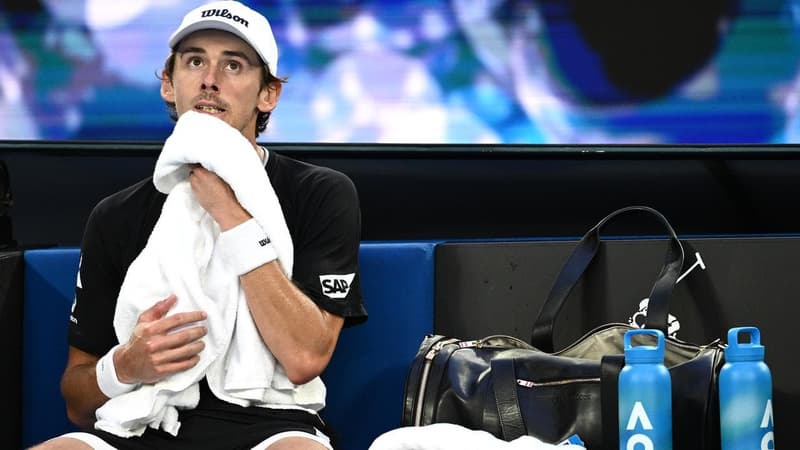
A network of Facebook disinformation pages has shifted its focus to Australian tennis star Alex de Minaur, spreading fabricated claims as he competes in the Australian Open.
AAP FactCheck has identified multiple Vietnam-operated Facebook pages circulating baseless allegations, many apparently created using artificial intelligence. These pages have previously targeted Australian politics and the aftermath of the Bondi terror attack.
The posts follow a consistent pattern: vague claims and clickbait designed to build engagement by leveraging current news events and public figures. They typically link to external websites containing additional false information.
One fabricated claim alleges that de Minaur lashed out after losing at the United Cup, accusing Prime Minister Anthony Albanese of manipulating the match because de Minaur had supposedly supported One Nation leader Pauline Hanson. The post falsely quotes de Minaur as saying, “Albanese manipulates the match because I defended the people and supported Mrs. Hanson, it’s disgraceful that the most powerful person in Australia harms his own countrymen.”
The same post attributes a fictitious quote to Albanese, claiming he called de Minaur “a mediocre player, loses but won’t accept it and blames others.” Neither statement was ever made, and there is no evidence de Minaur has expressed support for Hanson. The post even misrepresents basic facts about the United Cup, incorrectly stating de Minaur lost to Polish player Hubert Hurkacz when he actually won their match.
Another post fabricates quotes from de Minaur accusing the prime minister of influencing referees and calling him a “coward” who “tried to harm me when I dared to stand up and expose his truth.” Additional false claims include allegations that de Minaur threatened to withdraw from the United Cup due to “political interference” and that the “entire organization has been bought off.”
The disinformation campaign extends beyond de Minaur himself. One post falsely claims Senator Pauline Hanson defended the tennis star and criticized Albanese for using “despicable tricks” against him. Another fabricated story alleges de Minaur called for a boycott of “LGBT and the Labor Party,” prompting a supposed “blistering on-air attack” from Foreign Affairs Minister Penny Wong.
Even de Minaur’s mother has been dragged into the deception. One post with the headline “DON’T YOU DARE TOUCH MY SON” claims Esther de Minaur “broke her silence” to defend her son against critics. The post features what appears to be an AI-generated image of her and attributes completely fabricated quotes to her.
The 26-year-old tennis star is currently competing in the Australian Open, having recently played matches at the United Cup tournaments in Perth and Sydney. The timing of these false claims appears designed to capitalize on heightened public interest in de Minaur during Australia’s premier tennis event.
This campaign represents a concerning evolution in the tactics of these disinformation networks, which continue to adapt their targets based on current events and public figures while maintaining the same underlying strategy: creating inflammatory, false content to generate engagement.
AAP FactCheck, an accredited member of the International Fact-Checking Network, continues to monitor and debunk these claims as they emerge.
Fact Checker
Verify the accuracy of this article using The Disinformation Commission analysis and real-time sources.

11 Comments
Fabricating quotes from officials is a clear attempt to undermine public trust and sow division. We must stay vigilant and fact-check claims, rather than blindly sharing information from unreliable sources.
Fabricated quotes from officials are a clear attempt to erode trust in institutions and public figures. It’s crucial that we remain vigilant, fact-check claims, and rely on reputable news sources to stay informed.
Spreading disinformation by creating fake quotes is a worrying tactic that aims to manipulate public opinion. It’s important to rely on credible news sources and fact-check claims before sharing information.
The use of AI-generated content to create fake quotes is a concerning development in the fight against disinformation. It’s essential that we all remain critical consumers of information and prioritize fact-checking over blind sharing.
Using AI-generated content to fabricate quotes and target public figures is a disturbing trend in the disinformation landscape. Maintaining a critical eye and verifying information is key to combating these deceptive tactics.
Disinformation campaigns that leverage current events and public figures with fabricated quotes are a serious threat to informed discourse. We must be diligent in verifying information and not fall victim to these manipulative tactics.
Targeting high-profile individuals with made-up quotes is a clever but dangerous ploy to generate engagement and build credibility for disinformation campaigns. We must remain vigilant and rely on trusted news sources.
It’s concerning to see how sophisticated disinformation tactics have become, using AI-generated content and exploiting current events. Fact-checking is crucial to counter the proliferation of fabricated narratives online.
Fabricated quotes are a concerning tactic to spread disinformation. It’s critical that the public remains vigilant and verifies information from credible sources rather than social media rumors.
Leveraging current events and public figures to spread false claims is a common disinformation strategy. Fact-checking is essential to combat the rise of fabricated narratives online.
Absolutely, it’s worrying to see how easily false information can spread, especially when it targets public figures. Rigorous fact-checking is the best defense against these malicious tactics.