


Listen to the article
AI in Election Campaigns: From India to Kentucky, Technology Reshapes Political Outreach
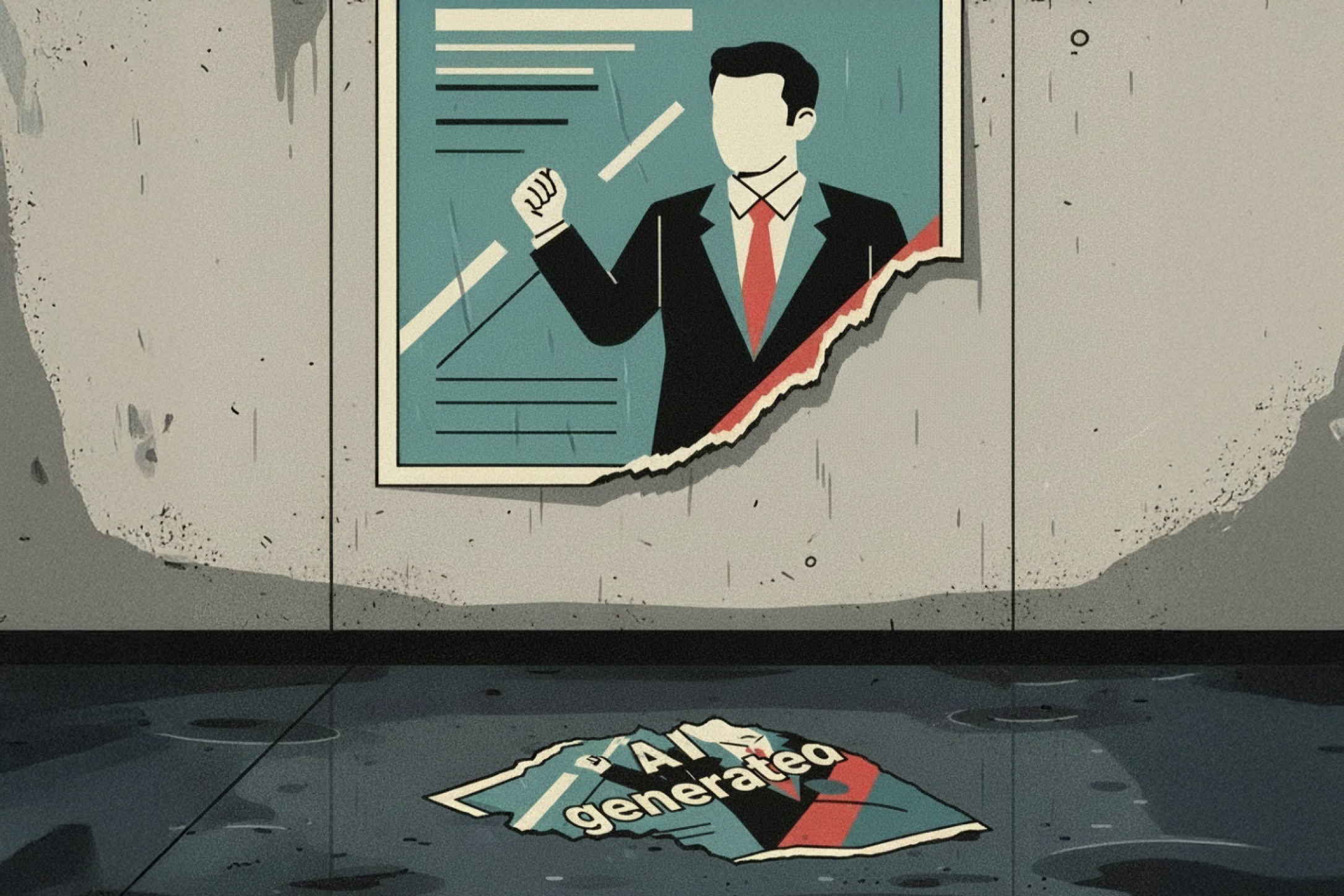
In India’s recent elections, artificial intelligence emerged as a powerful equalizer among political parties, according to findings from a 2024 research project monitoring electoral practices across six countries. For the first time, smaller regional parties gained access to sophisticated campaign tools previously available only to major political organizations.
“AI had an equalising effect,” the researcher noted. “Smaller local parties suddenly had access to resources such as graphic design, copywriting and strategic communication, while major parties expanded their traditional campaigning methods.”
In a country with nearly a billion voters, the challenge of personalized outreach has always been daunting. AI technologies helped parties overcome this obstacle through innovative approaches. One notable example involved creating AI avatars with the voices of state governors to interact directly with voters via phone calls or WhatsApp conversations.
“The message was adapted to the region in question,” the researcher explained. “In areas with large farming communities, the ‘governor’ would discuss subsidies. People didn’t know they were talking to a bot, and naturally felt special when seemingly having a personal conversation with a high-ranking official.”
The technology’s application extended into previously unthinkable territory, including the creation of deepfakes featuring deceased politicians. In one case, a politician who had passed away appeared in AI-generated videos offering voting advice—an approach that had been authorized by the politician’s family beforehand.
Language barriers, long a challenge in India’s diverse linguistic landscape, were also addressed through AI. With 22 official languages plus numerous dialects, translation technology proved invaluable. Prime Minister Narendra Modi’s speeches were simultaneously interpreted into local languages, with his vocal mannerisms adapted to create greater emotional connection with regional audiences.
These technological innovations, however, came alongside what the researcher described as “intolerable amounts of disinformation,” highlighting the double-edged nature of AI in political campaigns.
Beyond India, AI has shown potential to strengthen democratic participation when thoughtfully implemented. The town of Bowling Green, Kentucky, partnered with Google’s Jigsaw research team to develop an AI tool for gathering and analyzing public opinion. This civic conversation initiative blended offline surveys conducted in neutral community spaces like libraries and hair salons with online participation options.
“The process was anonymous, but identities were verified to prevent multiple submissions,” the researcher said. “About ten percent of the population participated—an unusually high proportion.”
The AI system analyzed collected data, filtered out abusive comments, and identified genuine community concerns before presenting findings to local government officials. The strong participation rates challenged prevailing narratives about political disengagement.
“When people feel their voices will be heard, they are willing to get involved,” the researcher emphasized. “This demonstrates that people still want to be part of the political process, regardless of what media reports might suggest about polarization.”
The success of such initiatives underscores that AI is not a comprehensive solution to democratic challenges, but rather a powerful tool when properly deployed. By processing large data volumes, filtering toxic content, and surfacing underlying community needs, AI can potentially bring previously marginalized voices into political conversations.
This balanced approach of combining technological innovation with traditional outreach methods was highlighted in the recent electoral success of New York mayor Zohran Mamdani. His campaign effectively utilized both digital engagement and extensive door-to-door canvassing.
“A combination of online and offline mobilization was the key factor,” the researcher concluded. “Mamdani’s campaign successfully encouraged participation, which is ultimately what democracy is about—increasing involvement. Technology can be leveraged to amplify more voices and ensure that political discourse isn’t dominated solely by the loudest participants.”
As electoral processes worldwide continue to evolve, these examples suggest that AI’s most significant democratic contribution may come not from replacing human interaction, but from enhancing it while expanding the reach and inclusivity of political engagement.
Fact Checker
Verify the accuracy of this article using The Disinformation Commission analysis and real-time sources.

8 Comments
I’m somewhat skeptical of using AI avatars to directly engage with voters. While innovative, there’s a risk of these interactions feeling impersonal or even deceptive. Transparency around the use of AI should be a priority.
The research findings on AI’s ‘equalizing effect’ are intriguing. It will be important to closely monitor how this plays out in practice and whether it truly enhances democratic participation or introduces new challenges.
Agreed. The implications for political power dynamics are significant and warrant close scrutiny from journalists, researchers, and policymakers.
This is a complex issue without easy answers. While new technologies can expand campaign reach, we must ensure they are used ethically and don’t undermine the integrity of the democratic process. Ongoing evaluation and public dialogue will be crucial.
The article highlights an important dynamic – how new technologies can help level the playing field for smaller political parties. This could foster more pluralistic political discourse, but also raises questions around transparency and accountability.
Good point. As AI becomes more prevalent in campaigns, we’ll need robust safeguards to prevent misuse and ensure voters have access to accurate, unbiased information.
Interesting to see how AI is reshaping campaign outreach, especially in large diverse countries like India. Curious to learn more about the potential benefits and risks of these new AI-powered campaign tactics.
I agree, the impact of AI on political processes is a complex issue that requires careful examination. We’ll need to watch closely to ensure these tools are used responsibly and don’t undermine democratic principles.