


Listen to the article
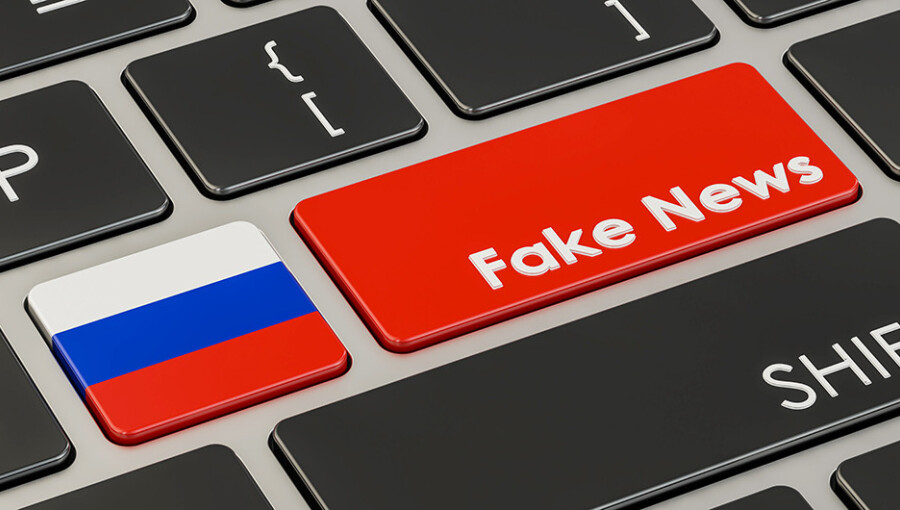
Argentina has revoked press credentials for multiple media outlets following allegations of their involvement in a Russian-backed disinformation campaign, marking a significant escalation in tensions between President Javier Milei’s administration and the country’s press corps.
On April 6, journalists from several prominent news organizations—including Ámbito Financiero, C5N, La Patriada FM, A24, El Destape, and Tiempo Argentino—were denied access to the presidential palace and in some cases, the national Congress. According to reports from Spanish news agency EFE, some journalists only learned of their barred status upon arrival when officials informed them their names appeared on an exclusion list.
The government’s action follows revelations from an international investigative media consortium that uncovered what they describe as a sophisticated Russian influence operation nicknamed “La Compañía” (The Company). According to leaked documents cited in the investigation, this network allocated approximately $283,000 to publish at least 250 articles under fabricated identities across more than 20 Argentine news outlets between June and October 2024.
The operation reportedly aimed to promote pro-Russia narratives amid the ongoing conflict in Ukraine while undermining President Milei’s administration, which has positioned itself as a strong supporter of Kyiv. This stance represents a significant shift from the previous Peronist government’s more neutral position on the Russia-Ukraine conflict—a change that reportedly alarmed Moscow.
Argentina’s government confirmed the findings, stating the operation was designed to “disseminate false information and influence Argentine public opinion in favor of foreign geopolitical interests.” These concerns had previously been raised by the country’s State Intelligence Secretariat (SIDE).
President Milei characterized the revelations as “highly serious” in social media statements, pledging comprehensive investigation. “We will pursue this to the fullest extent to identify all the direct and indirect actors who participated in this illegal espionage network,” Milei wrote, adding ominously that the “‘journalists’ and ‘media outlets’ linked to this are only the tip of the iceberg of something much bigger.”
The international investigation detailed how the alleged Russian network operated through intermediaries, including agencies and consultants, to distribute content. Some articles contained clear distortions or falsehoods, while others were published under fabricated identities, complete with AI-generated profile images to conceal their origins.
Several of the targeted media organizations have denied receiving payments for publishing such content, though some sources acknowledged compensation linked to private actors concerned about government policies. The probe also revealed attempts to inflame regional tensions, including circulation of false claims about Argentine actions targeting infrastructure in neighboring Chile.
Press freedom advocates have strongly criticized the government’s response. The Buenos Aires Press Union (SiPreBA) condemned the credential revocations as an attempt to silence critical journalism, noting that legitimately accredited reporters were being prevented from entering official institutions to perform their professional duties.
This latest confrontation follows the introduction of more restrictive media accreditation regulations by the Milei administration in May 2025. These new rules include tighter quotas, scoring requirements, and enhanced conduct regulations for journalists seeking to cover official events and institutions.
The credential revocation adds to a deteriorating climate between Argentina’s government and the media sector. Critics point to a pattern of increasing restrictions, including budget cuts affecting public broadcasters and reports of hostility toward journalists during public protests.
The situation highlights broader tensions between Milei’s libertarian economic policies and his administration’s approach to press freedom, as well as the growing challenge of foreign influence operations targeting Latin American media ecosystems. As investigations continue, the incident raises important questions about the balance between national security concerns and press independence in Argentina’s democracy.
Fact Checker
Verify the accuracy of this article using The Disinformation Commission analysis and real-time sources.

12 Comments
This is a complex issue that highlights the challenges of combating foreign influence operations while preserving press freedom. Argentina’s actions warrant close scrutiny to ensure they are proportionate, transparent and consistent with democratic norms.
Agreed. The stakes are high for Argentina, both in terms of safeguarding its critical industries and upholding its democratic institutions. The government’s response will be closely watched by both domestic and international observers.
This is a concerning development for press freedom, even if the allegations prove true. I hope Argentina can find a balance between addressing disinformation and preserving an independent, vibrant media landscape.
You raise a fair point. Revoking press credentials is a serious action that could set a troubling precedent if not handled carefully. Transparency and due process will be critical.
This news raises concerns about potential overreach by the Argentine government. While combating foreign interference is important, revoking press credentials is a heavy-handed tactic that could backfire if not applied judiciously and transparently.
I share your apprehension. The government must walk a fine line between safeguarding national interests and upholding press freedoms. Careful, measured steps are needed to address disinformation without compromising democratic norms.
As a major mining and energy hub, Argentina must protect the integrity of its information ecosystem. Rooting out foreign-backed disinformation campaigns is important, but the government must tread carefully to uphold press freedoms.
Absolutely. Argentina needs to ensure its actions against alleged disinformation do not inadvertently undermine the vital role of independent journalism, which is essential for a healthy democracy and vibrant economy.
Argentina’s crackdown on alleged Russian disinformation is understandable given the sensitivity of its mining and energy sectors. However, the government must ensure due process and avoid setting precedents that could erode press independence over time.
Well said. Protecting national interests is important, but it cannot come at the expense of a free and vibrant media. Argentina must find a sustainable balance that upholds democratic principles while addressing legitimate security concerns.
Interesting to see Argentina taking steps against alleged Russian disinformation. As a mining hub, it’s crucial they maintain trust and integrity in local media. Curious to learn more about the investigation and potential foreign influence operations.
Agreed, the crackdown on media outlets linked to Russian propaganda is a significant move. It will be important to see how this unfolds and whether Argentina can effectively combat foreign disinformation campaigns.