


Listen to the article
Finnish Archbishop Denounces “Disinformation” About Alleged Meeting with Unrecognized Church Leader
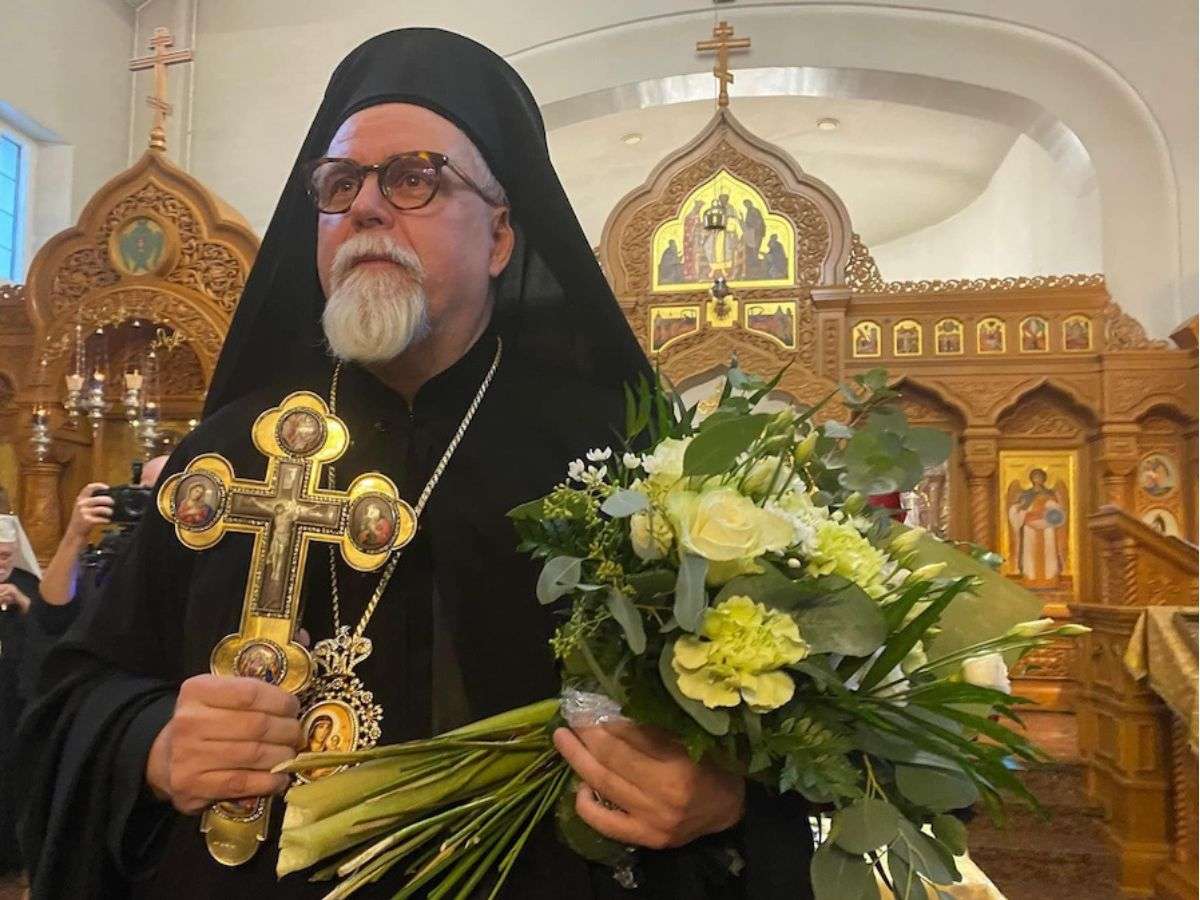
Archbishop Elia of Helsinki and all Finland has strongly refuted claims that he met officially with representatives of the canonically unrecognized Montenegrin Orthodox Church, calling the report “a masterclass in disinformation.”
The controversy emerged after the Union of Orthodox Journalists (UOJ) published an article alleging that Archbishop Elia had met with Boris Bojović, the current head of the unrecognized Montenegrin Orthodox Church, during a recent trip to Rome. The UOJ report suggested that the Archbishop was acting as a representative of the Ecumenical Patriarchate of Constantinople during this supposed encounter.
Taking to his personal Facebook page to address the allegations, Archbishop Elia categorically denied having any formal meeting with Bojović. He explained that what actually occurred was merely “a fleeting encounter” with “someone dressed as a bishop who introduced himself as being from Montenegro” during a larger gathering.
“There were no negotiations. There was no meeting,” the Archbishop emphasized. “What occurred was a one-sided, two-minute encounter — the kind that happens at any large gathering where people cross paths.”
The incident comes amid heightened tensions in Orthodox relations, particularly following accusations from Russia’s Foreign Intelligence Service (SVR) on January 12. The SVR claimed that the Ecumenical Patriarchate intends to grant autocephaly (independence) to the Montenegrin Orthodox Church, a move that would further strain relations between Orthodox jurisdictions.
The Ecumenical Patriarchate responded to these allegations on January 13, dismissing them as baseless and unworthy of serious consideration. This response aligns with Patriarch Bartholomew’s previous statements from 2019, when he explicitly stated that the Ecumenical Patriarchate would “never give autocephaly to the so-called ‘Montenegrin Orthodox Church.'”
The Montenegrin Orthodox Church has been a source of controversy since its establishment in 1993 when it separated from the Serbian Orthodox Church. The organization lacks recognition from any canonical Orthodox church globally, making any official engagement with its leadership a sensitive ecclesiastical matter.
Archbishop Elia’s presence in Rome was part of an official Finnish ecumenical delegation to the Vatican, where he participated in meetings with Pope Leo XIV. The Pope’s address to the Finnish delegation focused on the theme of Christian unity, making the subsequent controversy particularly ironic.
Orthodox church governance has been a particularly contentious issue in recent years, especially following the Ecumenical Patriarchate’s decision to grant autocephaly to the Orthodox Church of Ukraine in 2019. That move created significant divisions within global Orthodoxy, with the Russian Orthodox Church breaking communion with Constantinople in response.
The current incident reflects the ongoing tensions and information warfare that continue to characterize inter-Orthodox relations, particularly regarding jurisdictional questions and the role of the Ecumenical Patriarchate.
“From this, a narrative is spun,” Archbishop Elia noted in his response. “Let this serve as a textbook example of how disinformation is manufactured and shamelessly disseminated.”
He concluded his statement with a pointed observation about those who might try to create controversy from innocuous interactions: “Those who wish to construct elaborate stories from chance encounters may draw their own conclusions. The rest of us recognize this for what it is: the anatomy of a lie, laid bare.”
The incident highlights the complex information environment surrounding Orthodox ecclesiastical affairs, where even casual encounters can become fodder for reports suggesting major shifts in church relations.
Fact Checker
Verify the accuracy of this article using The Disinformation Commission analysis and real-time sources.

8 Comments
The archbishop’s denial and clarification of the events are important in correcting the record. Spreading unsubstantiated claims, even on sensitive religious and political matters, can have real consequences. Fact-checking is crucial in these situations.
Interesting developments around this supposed meeting. The archbishop’s swift denial and clarification of the events seem reasonable. It’s important to get the facts straight and avoid the spread of disinformation, especially on sensitive religious and political matters.
This appears to be a case of mistaken assumptions and exaggerated claims. The archbishop’s explanation of a brief, chance encounter seems much more plausible than the initial report. It’s important to verify facts before publishing potentially damaging allegations.
I appreciate the archbishop’s direct response to the allegations. Calling out disinformation campaigns is crucial, especially when they involve sensitive religious and political topics. Maintaining accuracy and objectivity is vital for public discourse.
This highlights the need for careful, objective reporting on these kinds of issues. Jumping to conclusions or publishing unverified claims can lead to the spread of misinformation. I’m glad the archbishop was able to provide his side of the story.
The archbishop’s Facebook post provides a helpful counterpoint to the original report. It’s good to see him taking the time to set the record straight and clarify the actual nature of the encounter. Transparency is important in these situations.
The archbishop’s refutation of the initial claims is a helpful reminder to be wary of unverified reports, especially on issues with potential religious or political implications. Fact-checking and transparency are vital in these situations.
This is a good example of why it’s important to approach sensitive topics like this with caution and objectivity. The archbishop’s response seems reasonable and helps to clarify the actual events that took place. Fact-based discussion is key.