


Listen to the article
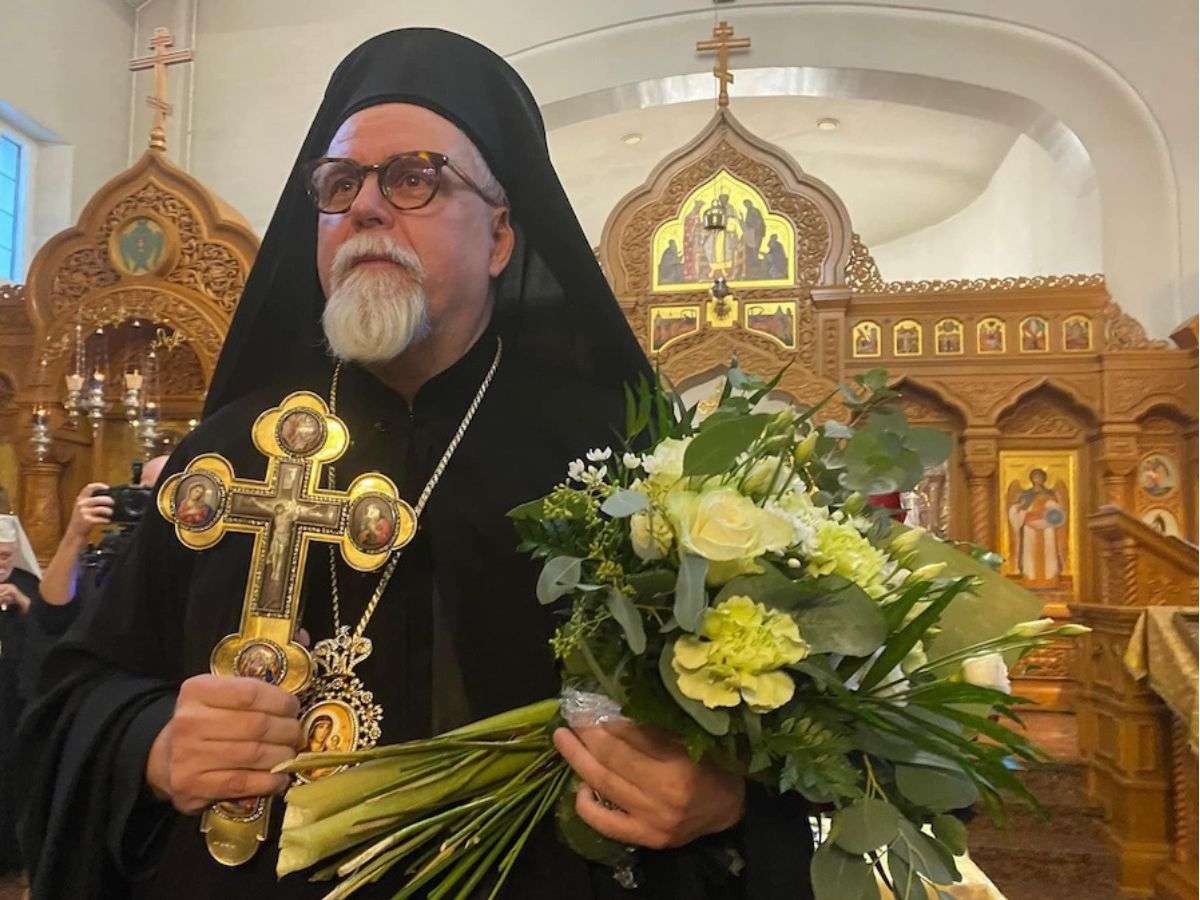
Archbishop Elia of Finland has strongly condemned a report published by the Union of Orthodox Journalists (UOJ) regarding his alleged meeting with representatives of the canonically unrecognized Montenegrin Orthodox Church, describing it as a “masterclass in disinformation.”
The Archbishop, who leads the Orthodox Church of Finland, took issue with the article’s claims about his interactions with the controversial religious body, which is not officially recognized by other Orthodox churches worldwide. While the specific details of the disputed report were not fully outlined, the Archbishop’s response suggests significant factual inaccuracies or misrepresentations in the UOJ’s coverage.
This incident highlights ongoing tensions within the broader Orthodox world, where questions of canonical recognition and church jurisdiction continue to create friction between various Orthodox bodies. The Montenegrin Orthodox Church has been a particular flashpoint, as it claims independence from the Serbian Orthodox Church, which views Montenegro as part of its canonical territory.
Ecclesiastical journalists and observers note that such disputes often reflect deeper geopolitical and national identity struggles in post-communist Eastern Europe, where religious affiliation frequently aligns with competing visions of national sovereignty and cultural heritage.
“False reporting about hierarchs’ meetings can have serious implications for inter-Orthodox relations,” explained Dr. Nicholas Patterson, a specialist in Orthodox church affairs at Georgetown University. “In the Orthodox world, who meets with whom sends important signals about recognition and legitimacy.”
The UOJ, which publishes news about Orthodox Christianity with particular focus on Ukraine and Russia, has faced criticism in the past for its editorial stance on church politics, especially regarding the Orthodox Church of Ukraine’s autocephaly dispute.
Archbishop Elia, who was enthroned as the head of the Finnish Orthodox Church in January 2025, has been known for his balanced approach to pan-Orthodox relations. The Finnish Orthodox Church maintains communion with both the Ecumenical Patriarchate of Constantinople and the Moscow Patriarchate, positioning it as a potential bridge-builder in times of Orthodox division.
Church media analysts suggest this incident reflects broader information challenges facing Orthodox communities worldwide, where reporting on sensitive ecclesiastical matters can sometimes become entangled with competing national interests and church politics.
“Disinformation about church affairs has become increasingly common in the digital age,” said Maria Kontopoulos, director of the Orthodox Media Observatory. “Hierarchs are now having to actively counter false narratives about their activities, especially when it comes to sensitive jurisdictional matters.”
The Finnish Orthodox Church’s press service has not yet indicated whether they will pursue formal channels to request corrections from the UOJ, though Archbishop Elia’s public rebuke signals the seriousness with which he views the misrepresentation.
This controversy emerges against the backdrop of shifting Orthodox alliances following the establishment of the Orthodox Church of Ukraine in 2018 and Russia’s invasion of Ukraine in 2022, events that have created the most significant divide in the Orthodox world in recent decades.
For observers of Orthodox affairs, this incident demonstrates how media reporting can either heal or exacerbate divisions within worldwide Orthodoxy, with accuracy and fairness in religious journalism becoming increasingly vital to maintaining pan-Orthodox unity.
The Orthodox Observer will continue to follow any developments in this story as the Finnish Orthodox Church addresses these claims and as the Union of Orthodox Journalists responds to the Archbishop’s criticism.
Fact Checker
Verify the accuracy of this article using The Disinformation Commission analysis and real-time sources.

6 Comments
This is an intriguing development in the ongoing tensions within the Orthodox world. The Archbishop’s strong rebuke of the report suggests there may be significant factual issues or misrepresentations involved. It will be important to see how this plays out and what the broader implications might be.
The Orthodox church has long grappled with issues of canonical recognition and jurisdiction. This latest incident between the Archbishop of Finland and the Montenegrin Orthodox Church illustrates how fraught these matters can be. I wonder what the implications could be for the broader Orthodox community.
Interesting to see this ongoing dispute within the Orthodox church. It’s clear there are complex jurisdictional and political issues at play. I wonder what the Archbishop’s specific concerns are with the report – hopefully more details emerge to shed light on the situation.
This seems like a complicated situation with allegations of disinformation on both sides. I’m curious to learn more about the specific claims and counterclaims being made. Disputes over church jurisdiction can often have deep historical and political roots.
You make a good point. These types of church disputes rarely exist in a vacuum and likely reflect broader regional tensions. It will be important to follow the developments closely to understand the full context.
Allegations of disinformation are serious, especially when they involve religious authorities. I’m curious to learn more about the specific claims made in the disputed report and the Archbishop’s rationale for condemning it as such. These types of intra-church disputes warrant close scrutiny.