


Listen to the article
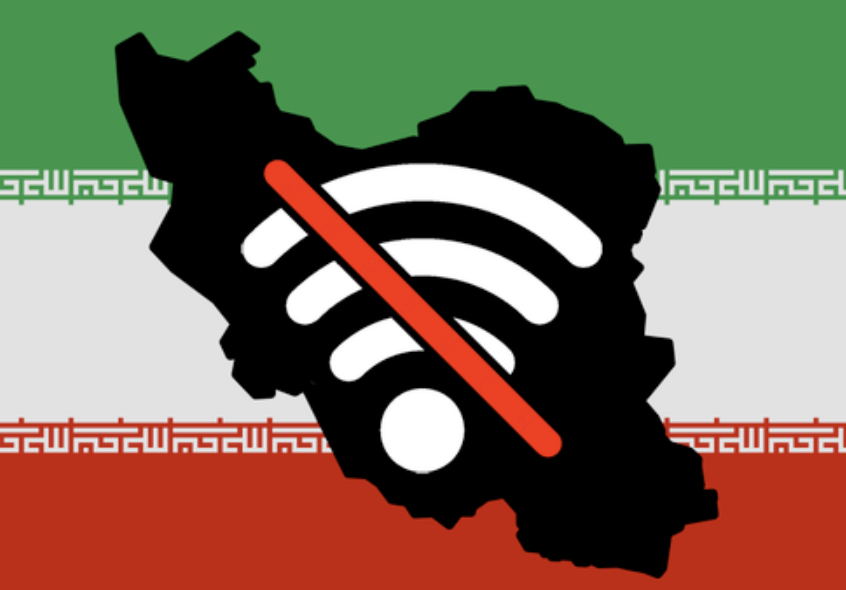
After a series of military strikes by the United States and Israel on February 28 that reportedly killed Iran’s supreme leader, Ali Khamenei, Iranians have been plunged into an unprecedented internet blackout that compounds the country’s existing digital isolation.
According to Doug Madory, director of internet analysis at monitoring firm Kentik, there has been “minimal traffic” leaving Iran since the attacks began, with networks experiencing approximately 99 percent drops in traffic across the board.
What distinguishes this blackout from typical internet shutdowns is the ongoing military conflict. While Iran has previously implemented internet restrictions during periods of civil unrest, the current situation represents a more complex crisis where digital isolation coincides with physical attacks.
During government-imposed internet blackouts, Iranians typically maintain access to the country’s homegrown intranet system, known as the National Information Network (NIN). This parallel digital ecosystem, developed over years as part of Iran’s digital sovereignty strategy, allows basic services and domestic applications to function even when connections to the global internet are severed.
The NIN has been a cornerstone of Iran’s digital governance approach, providing authorities with greater control over information flow while reducing dependency on international internet infrastructure. During previous periods of unrest, the government has routinely restricted access to international platforms while maintaining domestic digital services.
This internet isolation strategy reflects Iran’s long-standing concerns about digital sovereignty and external influence. The country has invested significantly in developing local alternatives to popular international services, creating a digital environment that can continue functioning when cut off from the global internet.
For ordinary Iranians, 2026 has already been marked by significant digital restrictions. The current blackout represents an escalation in what has been months of limited connectivity. Citizens have increasingly relied on the NIN’s domestic services for everyday activities, though these platforms lack the range and functionality of their international counterparts.
Digital rights experts have long expressed concerns about Iran’s internet isolation tactics. Beyond limiting information access during crises, the development of self-contained national internets creates precedents for other authoritarian regimes seeking to control information flows and monitor citizen activities.
The current situation raises significant questions about Iran’s digital future. With the country under active military attack and facing potential leadership transitions, the governance structure overseeing the NIN and internet policy faces uncertain prospects.
Telecommunications infrastructure may also face physical damage during military operations, potentially compromising even domestic network capabilities. Unlike previous shutdowns implemented purely for social control, the current blackout occurs in a context where communications infrastructure could become military targets.
The international community faces limited options for addressing Iran’s internet blackout, especially given the broader geopolitical tensions driving the current conflict. Digital rights organizations continue to advocate for maintaining essential communications channels during conflicts, arguing that internet access represents a critical lifeline for civilian populations during crises.
For Iranians, the combination of physical conflict and digital isolation creates unprecedented challenges. Without reliable connections to the outside world, accessing information about the conflict, communicating with family members abroad, or obtaining emergency assistance becomes significantly more difficult.
As the situation develops, the future of Iran’s internet connectivity and the evolution of its domestic digital ecosystem remain highly uncertain, particularly as questions about the country’s governance structure remain unresolved amid the ongoing military conflict.
Fact Checker
Verify the accuracy of this article using The Disinformation Commission analysis and real-time sources.

8 Comments
The combination of military strikes and an internet blackout must be incredibly challenging for Iranians. Losing access to global information sources while facing physical attacks will make it extremely difficult to counter disinformation. This is a complex and troubling scenario.
This internet shutdown during a military conflict is deeply troubling. Denying Iranians access to the global internet seems like an attempt to isolate and control information flow. I hope the international community can find ways to restore connectivity.
This is a concerning situation for the Iranian people. Losing access to the global internet during an ongoing military conflict must be extremely challenging. I hope they are able to maintain connectivity through the National Information Network at least.
Yes, the NIN could provide some basic services, but it’s still a very difficult position to be in. Restricted internet access makes it harder for Iranians to get accurate information and coordinate responses during this crisis.
This situation highlights the importance of internet freedom and access to information, especially during times of conflict. The Iranian people deserve the ability to communicate with the outside world and seek out reliable news sources. I hope connectivity can be restored soon.
The internet blackout exacerbates the spread of disinformation in Iran. Without access to global news sources, Iranians will struggle to counter false narratives and propaganda. This is a concerning development that could have serious consequences.
You’re right, the lack of internet access leaves Iranians vulnerable to manipulation by state-controlled media. It will be critical for them to find ways to verify information and share the truth, even with limited connectivity.
The plummeting of internet access to just 1% in Iran is a major setback in their fight against disinformation. Without the ability to freely access online information, Iranians will struggle to discern fact from fiction during this crisis. This is a worrying development.