


Listen to the article
Battling Disinformation in the Balkans: The Growing Need for Fact-Checking
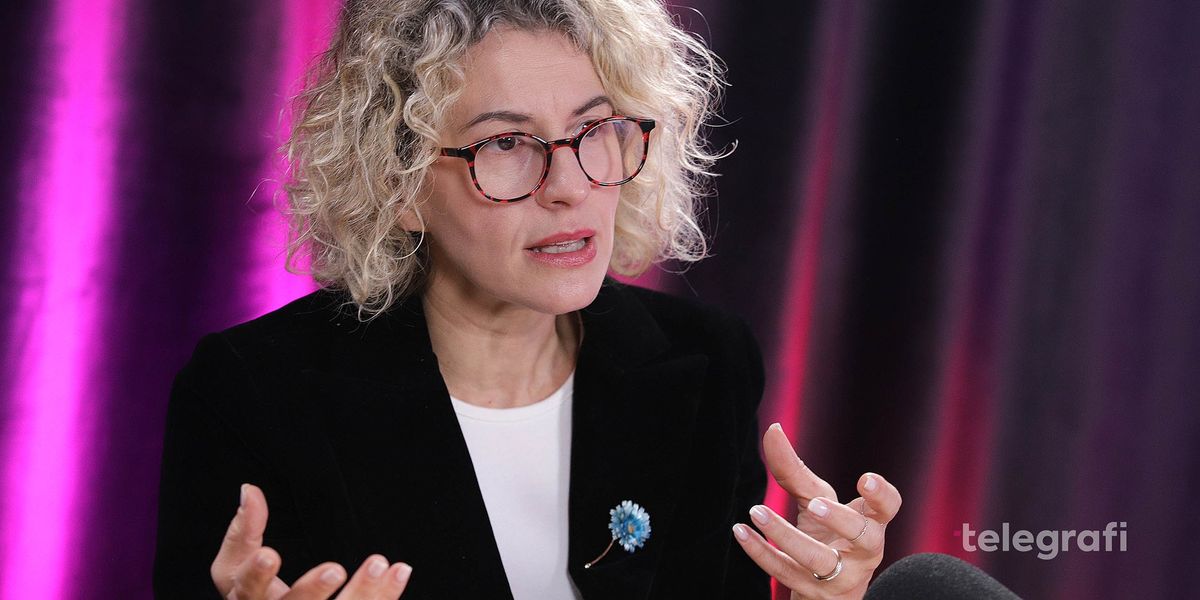
In an era where artificial intelligence is revolutionizing content production and distribution, disinformation and misinformation have emerged as critical threats to media integrity, democratic processes, and electoral systems across the Western Balkans. These challenges were explored in depth during a recent episode of “Përballje Podcast,” featuring Aimona Vogli, editorial manager at Faktoje.al, a respected fact-checking organization operating in Albania and neighboring countries.
“It’s more important than ever to discuss fact-checking and verified information during election periods,” Vogli emphasized during her conversation with Telegraf editor-in-chief Muhamet Hajrullahu. She highlighted how the information citizens consume directly shapes their perception of reality and ultimately influences their voting decisions.
The media landscape in the Western Balkans faces particular challenges, according to Vogli. “Poor journalism and clickbait phenomena are widespread in the region,” she noted. Media outlets driven by the need to generate web traffic often resort to publishing unverified news, engaging in copy-paste reporting practices, and presenting information without proper context—all factors that significantly increase the risk of public misinformation.
This approach represents a serious threat to professional journalism standards, especially as social media platforms enable information to spread rapidly without passing through traditional editorial filters. The consequences extend far beyond the media industry itself.
“When we talk about disinformation, it’s not an abstract concept,” Vogli warned, citing alarming examples where false health information has led people to discontinue necessary medications, potentially endangering lives. Such real-world impacts underscore the urgent need for reliable fact-checking mechanisms.
Faktoje.al addresses this need by operating along two principal axes: verifying statements and promises made by public officials, and identifying disinformation narratives circulating online—particularly those influenced by malicious foreign actors seeking to destabilize the region.
The prevalence of what Vogli terms “substandard or click journalism” represents a significant challenge across the Western Balkans. In many newsrooms, the pursuit of audience engagement has superseded fundamental journalistic principles like source verification and contextual reporting. This race for clicks creates fertile ground for misinformation to flourish.
The conversation also delved into artificial intelligence’s dual role in the information ecosystem. While AI technologies are increasingly deployed to create sophisticated manipulated content and spread disinformation, they’re simultaneously being harnessed to develop more advanced verification tools. However, Vogli offered an important reminder: “Technology doesn’t have critical thinking”—highlighting the irreplaceable value of trained journalists and an informed public.
For consumers navigating this complex information landscape, Vogli’s advice is straightforward but powerful: pause, reflect, and verify the source before believing or sharing content that triggers strong emotional reactions. This simple practice can help individuals avoid unwittingly becoming vectors for misinformation.
Despite the formidable challenges posed by political propaganda, algorithmic manipulation, and rapid technological change, Vogli remains cautiously optimistic about journalism’s future. “Journalism is a mission,” she asserted, expressing confidence that principled journalists and organizations will continue their essential work of truth-seeking and fostering critical thinking skills across society.
The conversation underscores a broader reality facing the Western Balkans and democracies worldwide: as information warfare becomes increasingly sophisticated, fact-checking organizations like Faktoje.al represent a crucial line of defense for electoral integrity and informed civic participation. Their work has never been more challenging—or more vital—than in today’s digitally transformed media environment.
Fact Checker
Verify the accuracy of this article using The Disinformation Commission analysis and real-time sources.

17 Comments
This article underscores the critical role that fact-checking plays in maintaining the integrity of journalism and supporting informed decision-making by citizens. More resources and support are needed for organizations tackling disinformation, especially in regions like the Western Balkans.
Absolutely. Fact-checking initiatives are essential safeguards against the spread of misinformation, which can undermine public trust and democratic processes. Strengthening these efforts should be a priority for media, policymakers, and civil society.
The growing prevalence of disinformation and misinformation is a global issue that requires concerted efforts by media, technology platforms, and civil society to address. Aimona Vogli raises important points about the challenges facing the Western Balkans.
You’re right, this is a complex challenge that requires a multi-stakeholder approach. Strengthening media literacy and digital hygiene among citizens is also crucial to build resilience against the spread of disinformation.
This is an important issue that needs more attention. Disinformation and clickbait can seriously undermine the integrity of journalism and the democratic process. Fact-checking organizations play a vital role in combating these threats.
The issues discussed in this article are not unique to the Western Balkans – disinformation and clickbait are global challenges that undermine the credibility of journalism and the democratic process. Strengthening fact-checking efforts and media literacy should be priorities for stakeholders worldwide.
The issues raised in this article underscore the vital importance of fact-checking and media literacy in an era of rapidly evolving information landscapes. Disinformation and clickbait can seriously undermine the credibility of journalism and the ability of citizens to make informed decisions.
Disinformation and clickbait can have serious consequences for democratic processes and public discourse. I’m glad to see organizations like Faktoje.al working to combat these threats through fact-checking and verification efforts.
Aimona Vogli raises important points about the challenges facing the media landscape in the Western Balkans, where poor journalism and clickbait are widespread. Fact-checking organizations play a vital role in upholding the integrity of information and enabling citizens to make informed decisions.
The prevalence of disinformation and clickbait is a global challenge that threatens the quality of journalism and the ability of citizens to make informed decisions. I’m glad to see organizations like Faktoje.al working to address these issues in the Western Balkans.
It’s concerning to hear that poor journalism and clickbait are widespread in the Western Balkans. Media outlets need to prioritize accuracy and verified information over web traffic. Fact-checking is crucial to counter misinformation during elections.
I agree, fact-checking is essential for maintaining media integrity and informed decision-making by citizens. More support and resources are needed for organizations like Faktoje.al to expand their fact-checking efforts in the region.
This article highlights the critical importance of fact-checking and verified information, especially during election periods. Disinformation and misinformation can have far-reaching consequences for democratic processes, and efforts to combat these threats deserve greater attention and support.
Fact-checking is essential to uphold the credibility of journalism and enable citizens to make informed decisions, especially during elections. The issues raised in this article highlight the need for greater investment in high-quality, independent media.
It’s concerning to hear about the prevalence of disinformation and misinformation in the Western Balkans, and the impact this can have on citizens’ perceptions and voting decisions. Fact-checking organizations like Faktoje.al play a crucial role in combating these threats and upholding media integrity.
This article highlights the critical need for accurate, verified information, especially during elections. Disinformation and clickbait can have serious consequences for democratic processes, and I’m glad to see organizations like Faktoje.al working to address these challenges in the Western Balkans.
Aimona Vogli’s insights into the media landscape in the Western Balkans are eye-opening. Disinformation and clickbait pose significant threats to the integrity of journalism and democratic processes. Strengthening fact-checking initiatives and promoting media literacy should be high priorities for stakeholders in the region.