


Listen to the article
South Africa’s election body warns of AI-driven disinformation ahead of 2026 local elections
The Electoral Commission of South Africa (IEC) has issued a stern warning about the emerging threat of artificial intelligence and targeted disinformation campaigns that could undermine the upcoming 2026 Local Government Elections.
During Wednesday’s Disinformation Dialogue 2026 in Cape Town, IEC Chairperson Mosotho Moepya characterized the proliferation of AI technologies as a “primary challenge” to maintaining election integrity. Unlike previous electoral cycles where misinformation spread on a national scale, Moepya anticipates a troubling shift toward highly targeted, ward-specific deception.
“As identified by the South African National Editors’ Forum, we expect a ‘flurry of deepfakes’ in these municipal elections,” Moepya cautioned, highlighting a new frontier in election interference.
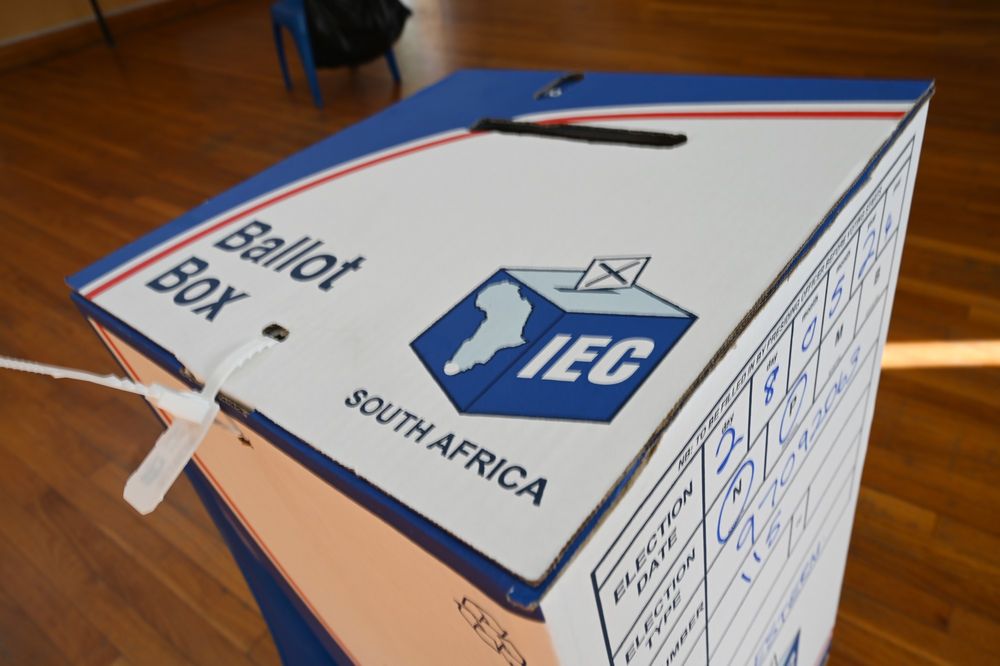
The commission has identified several vulnerable points in the electoral process that are particularly susceptible to manipulation through disinformation. These include the voters’ roll, ballot box transportation, and the manual vote counting process.
“Disinformation targets these points because they involve human elements that can be misrepresented,” Moepya explained, noting how these critical junctures can be exploited to sow public distrust.
To counter these evolving threats, the IEC is deploying a comprehensive strategy centered on transparency and direct voter access to verified information. The commission is developing zero-rated online portals where citizens can independently verify their registration status and ward boundaries without data costs—a significant consideration in a country where internet access remains expensive for many.
The commission is also strengthening its connections with community radio stations and youth networks, linking them to fact-checking operations that can rapidly respond to and debunk false claims. One notable initiative, dubbed the “News Sausage,” aims to demystify the results auditing process for voters, potentially neutralizing conspiracy theories before they gain traction.
The legal framework will play a crucial role in the commission’s defense strategy as well. Moepya confirmed the IEC is prepared to utilize both the Cybercrimes Act and the Electoral Code of Conduct against individuals and organizations that deliberately disseminate harmful digital content meant to undermine the electoral process.
The chairperson emphasized that safeguarding election integrity extends far beyond the commission itself. “It does not rest solely on the IEC, but also on journalists, lawmakers, technology experts, and international partners working to ensure credible information reaches voters,” he said. “It rests on the fact-checker in Johannesburg, the lawmaker in Cape Town, the tech engineer in Silicon Valley, and the EU diplomat in Pretoria.”
To reassure South Africans about the reliability of election technology, Moepya revealed that all systems used in the voting process have undergone rigorous independent verification. “We have subjected our Voter Management Devices and results systems to independent, end-to-end testing, ensuring that the technology used at the voting stations is not a ‘black box,’ but a glass one,” he stated.
The Disinformation Dialogue event brought together a diverse coalition of stakeholders, including lawmakers, international experts, media organizations, government officials, and election administrators to address South Africa’s growing challenges with digital misinformation.
The IEC’s warnings come at a critical time for South Africa’s democracy, as local government elections often determine service delivery and representation at the community level. The commission’s proactive approach reflects growing global concerns about AI’s potential to generate convincing deepfakes and targeted misinformation that could influence voter behavior or undermine confidence in democratic processes.
As election day approaches, the effectiveness of these countermeasures will likely determine whether South Africa can safeguard its electoral process against these sophisticated new threats to democracy.
Fact Checker
Verify the accuracy of this article using The Disinformation Commission analysis and real-time sources.

13 Comments
Disturbing to hear about the threat of AI-driven disinformation in the upcoming local elections. Maintaining election integrity is critical for a functioning democracy. The IEC seems to be taking this issue seriously and identifying vulnerable points that need protection.
I agree, targeted disinformation campaigns can be very damaging. Proactive measures to safeguard the electoral process are essential.
The proliferation of deepfakes is a worrying development that could undermine public trust in the electoral process. I hope the IEC’s efforts to address this issue will be successful in ensuring fair and transparent local elections.
Absolutely. Protecting the integrity of elections is vital for the health of our democracy. The IEC’s proactive approach is commendable.
The threat of AI-driven disinformation is a concerning development that could have serious consequences for the upcoming local elections. I hope the IEC’s efforts to address this issue will be effective in preserving the integrity of the democratic process.
I agree. The IEC’s proactive stance on this issue is commendable, and I hope they are able to develop effective countermeasures to protect the electoral process.
This is a complex issue with no easy solutions. The IEC’s identification of vulnerable points in the electoral process is a good first step, but the challenge of combating AI-driven disinformation will require ongoing vigilance and innovation.
The rise of deepfakes is a concerning development. Voters need to be vigilant and rely on trusted news sources when it comes to electoral information. The IEC is right to highlight this emerging threat to election integrity.
Absolutely. Deepfakes have the potential to sow significant confusion and distrust. Robust fact-checking and public education will be crucial.
While the threat of AI-driven disinformation is concerning, I’m glad to see the IEC taking it seriously and working to identify vulnerabilities in the electoral process. Transparency and public education will be crucial in the fight against this challenge.
This is a sobering reminder of the evolving threats to democracy. I hope the IEC can stay ahead of the curve and implement effective countermeasures against AI-driven disinformation. Safeguarding the integrity of local elections is vital.
Agreed. Vigilance and proactive measures are essential to protect the democratic process from malicious actors. The IEC has its work cut out for it.
Curious to see how the IEC plans to address these vulnerabilities in the electoral process. Strengthening security measures around the voters’ roll, ballot transportation, and vote counting will be key. Transparency and public engagement will be important too.