


Listen to the article
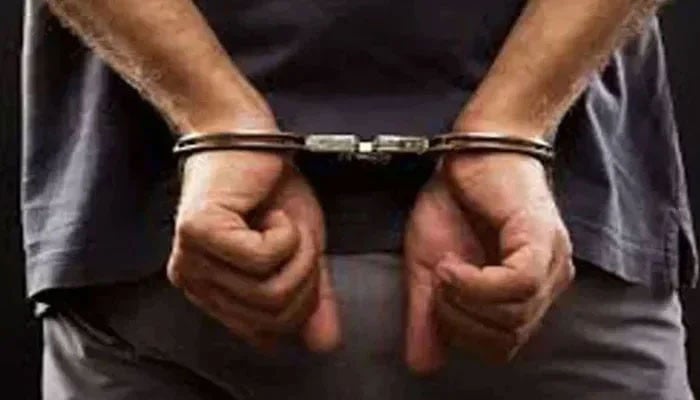
In a significant crackdown on social media activity during recent Middle East tensions, Abu Dhabi authorities have detained 375 individuals of various nationalities for alleged filming of sensitive locations and spreading misinformation about ongoing regional conflicts.
The arrests come as Gulf states intensify efforts to control information flow related to Iran’s military activities in the region, particularly following Tehran’s retaliatory strikes against Israel and its allies.
“Abu Dhabi Police announced the arrest of 375 individuals of various nationalities for filming different locations and spreading misinformation related to current events on social media platforms,” authorities stated in an official announcement posted on X, formerly Twitter.
This wave of detentions represents the latest in a series of enforcement actions by United Arab Emirates authorities amid escalating regional tensions. The crackdown appears specifically targeted at controlling narratives surrounding Iran’s military campaign in the Gulf, which developed in response to strikes conducted by the United States and Israel against Iranian targets.
The UAE, like other Gulf Cooperation Council members, maintains strict laws governing social media use, particularly concerning national security matters. These regulations have been enforced with increased vigilance as the region navigates one of its most volatile periods in recent years.
Security experts note that Gulf nations view unregulated information sharing during conflicts as potentially threatening to both national security and economic stability. The UAE, as a major financial hub and tourist destination, has particular concerns about maintaining its image of safety and stability despite regional turmoil.
The arrests highlight the delicate balance Gulf states must strike between national security concerns and freedom of expression. International human rights organizations have previously raised concerns about the broad application of cybercrime laws in the region, which can sometimes capture legitimate commentary alongside genuine security threats.
The current enforcement wave comes amid a broader pattern of information control across the Middle East as multiple flashpoints of conflict have emerged. Authorities in several Gulf states have warned residents and visitors against sharing unverified information or footage that might compromise security or spread panic.
For context, the relationship between Iran and Gulf Arab states has been historically complex, with periods of tension and détente. The current situation follows a significant escalation after Israel’s military operations in Gaza prompted wider regional involvement, eventually drawing in Iran and its allies across the Middle East.
Legal experts familiar with UAE law point out that those arrested could face serious charges under the country’s cybercrime laws, which carry potential prison sentences and substantial fines. Foreign nationals among the detained may face additional immigration consequences.
The UAE has not provided specific details about the nationalities of those arrested or the exact nature of the content that triggered the detentions. However, similar cases in the region have involved everything from sharing footage of military movements to posting speculative commentary about potential attacks or security measures.
For residents and visitors to Gulf states, the arrests serve as a stark reminder of the significant legal risks associated with sharing conflict-related content on social media platforms, even when such sharing might seem innocuous from a Western perspective.
As tensions persist across the Middle East, observers expect continued strict enforcement of information control measures, with authorities particularly sensitive to content that might affect tourism, investment, or diplomatic relationships during this volatile period.
Fact Checker
Verify the accuracy of this article using The Disinformation Commission analysis and real-time sources.

16 Comments
The UAE’s actions to curb the spread of footage and disinformation related to regional conflicts are understandable, but raise concerns about freedom of expression and the public’s right to information. Authorities must strike a careful balance to address security needs while preserving civil liberties.
I agree. Controlling the narrative around sensitive military activities is a priority, but heavy-handed censorship could backfire and erode public trust. Transparent, fact-based approaches that respect free speech principles are crucial.
This crackdown by the UAE highlights the delicate balance governments must strike between national security and civil liberties in the digital age. While controlling the flow of disinformation is important, authorities must be cautious not to overstep and infringe on legitimate reporting and public discourse.
Well said. Maintaining transparency and upholding freedom of expression should be key considerations, even as governments seek to address genuine security risks posed by the spread of misinformation. A nuanced, multi-stakeholder approach is needed to navigate these complex issues.
The UAE’s efforts to control information flow around Iran’s military activities are interesting. Disinformation is a serious issue, but these arrests highlight the challenges of balancing security and civil liberties in the digital age.
You make a good point. Striking the right balance is critical. Authorities need to find ways to tackle malicious misinformation without unduly restricting legitimate reporting and debate on these sensitive matters.
This crackdown on sharing footage and disinformation is understandable given the regional tensions. However, it raises concerns about freedom of expression and transparency. Authorities should balance security needs with upholding civil liberties.
Agreed, a nuanced approach is needed. Verifying facts and curbing malicious misinformation is important, but overly heavy-handed censorship could backfire. Constructive public discourse is crucial during volatile times.
The UAE’s crackdown on sharing footage and disinformation related to regional conflicts raises important questions about the role of social media and free expression during times of heightened tensions. Authorities must tread carefully to uphold both security and civil liberties.
Absolutely. Balancing these competing priorities is incredibly challenging, but essential. Overly restrictive measures could undermine public confidence and the free flow of information, which is crucial for maintaining stability.
Interesting to see the UAE taking such a firm stance against sharing footage and information related to regional conflicts. It highlights the delicate balance governments must strike between security and civil liberties in the digital age.
Well said. Controlling the narrative around military activities is a priority, but heavy-handed censorship risks backfiring and eroding public trust. A nuanced, transparent approach is needed to address genuine security concerns.
This crackdown speaks to the high stakes and tensions in the region. While controlling the narrative around military activities is understandable, I hope the authorities take a measured approach that respects free speech principles.
Agreed. Unfettered information flow is vital, even in sensitive security contexts. Authorities should focus on verifying facts and curbing intentional disinformation, not simply silencing all discussion.
This crackdown by the UAE highlights the complexities of managing information flow during regional conflicts. While controlling disinformation is important, authorities must be cautious not to overreach and infringe on legitimate journalistic and public discourse.
Well said. Maintaining transparency and upholding civil liberties should be key considerations, even as governments seek to address genuine security risks. A nuanced, multi-stakeholder approach is needed to navigate these sensitive issues.