


Listen to the article
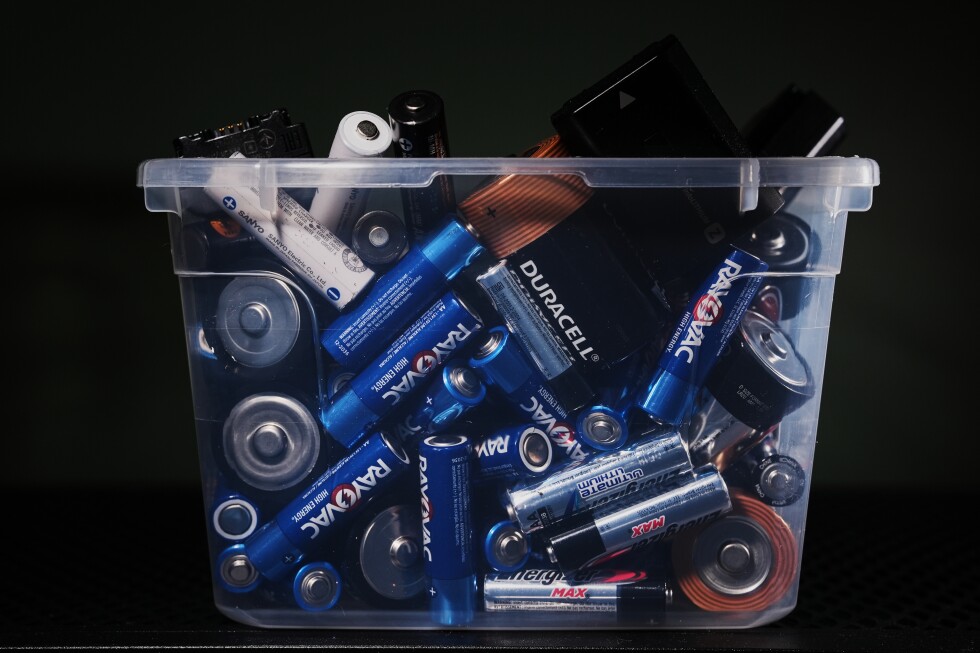
When household batteries die, most people either hide them in a junk drawer or discard them with regular trash, unaware of the potential hazards. These seemingly harmless items can pose significant environmental and safety risks once they reach landfills, leaking heavy metals like cadmium and nickel that contaminate soil and water. Some batteries can even overheat and spark dangerous fires in garbage trucks and recycling facilities.
Fortunately, proper battery disposal requires minimal effort while yielding substantial environmental benefits. Through established recycling programs, discarded batteries are transported to specialized centers where their components are processed to manufacture new products.
“Recycling old batteries keeps you safe, keeps the waste industry safe, keeps first responders safe, and responsibly sees that battery reach a proper end of life,” explains Michael Hoffman, president of the National Waste and Recycling Association.
Though the recycling infrastructure for batteries continues to evolve, the current system offers a straightforward solution for responsible disposal of these ubiquitous household items.
Batteries power countless devices in our homes, from alarm clocks and TV remotes to gaming controllers. The Environmental Protection Agency reports that Americans purchase and use millions of batteries annually, each leaving an environmental footprint throughout its lifecycle.
The environmental impact begins with raw material extraction. Battery manufacturing requires elements like lithium and nickel that must be mined from the earth. Over half the world’s cobalt reserves, a critical battery component, are found in the Democratic Republic of Congo, raising both environmental and ethical concerns about extraction practices.
These materials then travel globally—shipped to refineries, manufacturing facilities, and retail distribution centers—further increasing batteries’ carbon footprint through transportation emissions. The production process itself generates additional carbon emissions and pollutants.
While individual household batteries are much smaller than those powering electric vehicles or e-bikes, their cumulative impact is significant due to their sheer numbers. “One person’s single battery is not necessarily a lot,” notes Jennifer Sun, an environmental scientist at Harvard University, “but everyone uses many batteries.”
The first step in proper disposal is identifying the type of batteries you have. “Batteries come in all shapes and sizes, but what’s inside differs,” explains materials scientist Matthew Bergschneider from the University of Texas at Dallas.
Alkaline and zinc-carbon batteries—commonly available in AA, AAA and similar formats—are typically single-use. While these can legally be thrown in household trash in many jurisdictions, the EPA recommends recycling them to recover valuable materials for reuse.
Lithium-ion batteries, found in power tools and cordless vacuums, pose higher risks. These batteries can cause fires and release toxic gases if improperly disposed of in garbage trucks or landfills. Many rechargeable batteries contain lithium-ion technology, and an increasing number of single-use batteries are being manufactured with this chemistry as well.
Local regulations vary significantly. New York, Vermont, and Washington, D.C. have enacted specific rules governing the disposal of household and rechargeable batteries. Checking your local regulations is essential before discarding any battery.
Once collected, batteries should have their terminals taped or be placed in separate plastic bags to prevent accidental contact that could create sparks. Then, take them to a designated drop-off location, which might include hardware stores, office supply retailers, or municipal collection points.
The Battery Network, a nonprofit focused on safe battery recycling, offers an online search tool where consumers can find drop-off locations by entering their ZIP code. Todd Ellis from The Battery Network recommends establishing a dedicated collection spot at home: “At some point, hopefully among all the other things that we all have in our lives, you can find a convenient drop-off location.”
Damaged batteries require special handling. Those that appear swollen, cracked, or leaking should not be dropped off at regular collection points. Instead, contact your local hazardous waste management agency for guidance on proper disposal.
After collection, batteries are sorted by type and transported to specialized recycling facilities. There, they’re broken down into their component materials—cobalt, nickel, aluminum, and other elements—which can then be repurposed. Nickel may find new life in stainless steel products, while components from alkaline batteries might end up in sunscreen.
While recycling doesn’t offset the environmental impact of manufacturing, it does reduce the need for new raw material extraction. “You continue to recycle and you don’t have to go back to the Earth to mine,” says Oladele Ogunseitan, a public health expert studying electronic waste at the University of California, Irvine.
Proper battery management also has immediate household benefits, preventing potentially toxic chemicals from leaking into cabinets and drawers.
“I think it’s one of the simplest and most controllable actions that we can take to reduce our impact,” concludes Harvard scientist Sun, emphasizing how individual actions can collectively create significant environmental benefits.
Fact Checker
Verify the accuracy of this article using The Disinformation Commission analysis and real-time sources.

12 Comments
Responsible battery disposal is so important, but often overlooked. Glad to see more focus on this issue and the progress being made in recycling infrastructure. Small steps in the right direction.
Interesting to learn about the fire risks with improper battery disposal. I didn’t realize they could be so dangerous in garbage trucks and recycling facilities. Clearly more education is needed on safe battery recycling.
You’re right, the fire risk is a serious concern that a lot of people likely aren’t aware of. Proper disposal procedures are important for public safety.
Recycling old batteries is such an easy way for individuals to make a difference. Easy drop-off locations and mail-back programs make it very accessible. Curious what the main barriers are to higher recycling rates.
You raise a good point. Increasing public awareness and convenience of recycling options could go a long way in boosting participation.
As battery technology continues to evolve, I wonder how recycling processes will need to adapt. Curious to see what innovations emerge to handle new battery chemistries and improve recovery rates.
Proper battery recycling is so important for the environment. It’s great to see more awareness and infrastructure around this issue. Diverting hazardous materials from landfills is key for protecting our soil and water.
Absolutely, recycling batteries is a simple way we can all make a positive environmental impact. Every little bit helps.
As battery usage continues to grow, the need for robust recycling infrastructure will only become more pressing. Glad to see this issue getting more attention. Curious what the latest recycling rates are for different battery types.
Recycling batteries is a great way to recover valuable materials like cadmium and nickel that can be reused. Wish more people knew about the recycling options available in their communities.
Yes, recycling helps conserve natural resources and reduces the need for mining new materials. It’s a win-win for the environment.
The transition to renewable energy and electric vehicles is driving huge growth in battery demand. Responsible recycling will be critical to support this shift and reduce environmental impacts. Good to see progress, but more work ahead.